Autumn Elegance: Crested Ibises Display Their Best Plumage at Mount Langshan

Autumn Elegance: Crested Ibises Display Their Best Plumage at Mount Langshan

With crisp autumn air, lush green forests and magnificent Danxia landscapes, Mount Langshan, a UNESCO World Natural Heritage Site, is looking more enchanting than ever.

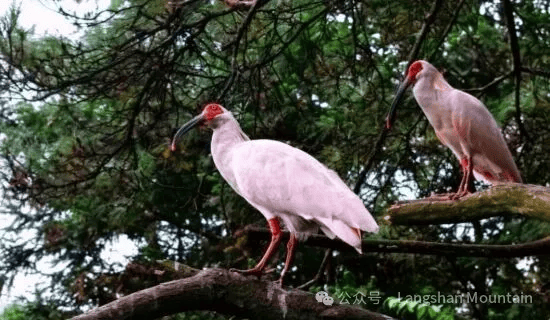
On October 26, at the crested ibis breeding and rewilding base in Shitian Village, Langshan Town, Xinning County, the crested ibis — a rare national treasure affectionately known as the “Oriental Gem” — could be seen living peacefully and playfully in its natural surroundings.
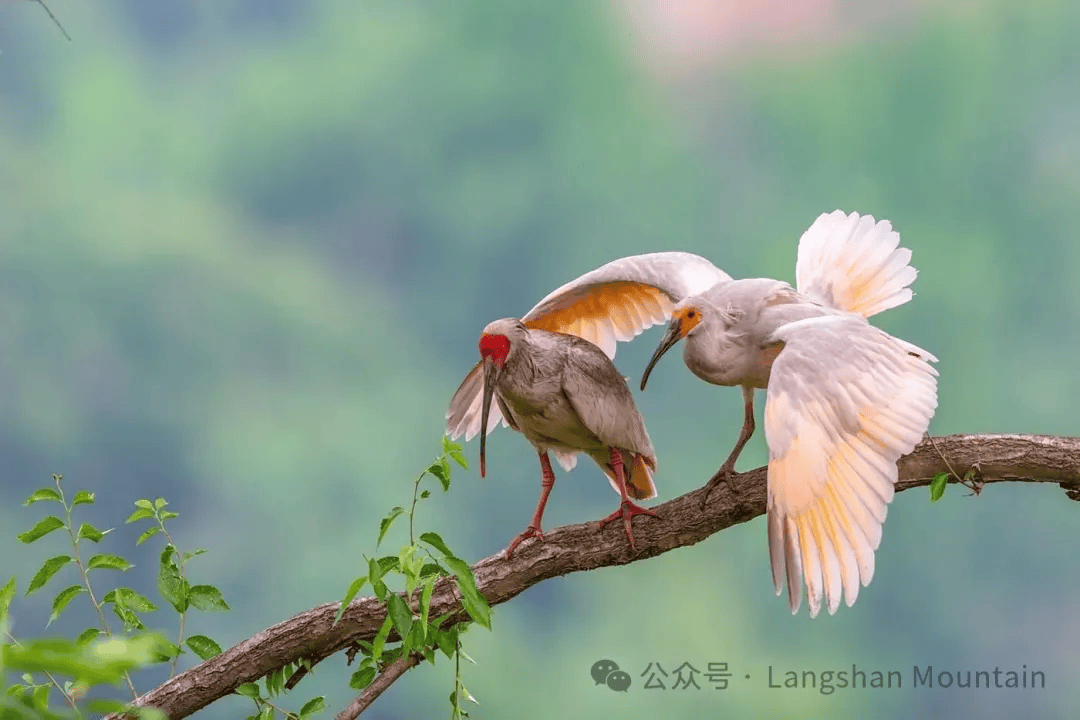
Gentle breezes swept through the woodland as sunlight filtered through the trees, creating a beautiful interplay of light and shadow. Some ibises perched gracefully on the branches of ancient pine trees, enjoying the tranquility of the forest. Others spread their wings and soared in graceful circles, their elegant movements carrying them through the lush forests and dramatic Danxia scenery.

Autumn marks the best time of year to admire the crested ibis in all its colorful beauty. Following their natural molting process, the birds shed the darker, heavier plumage of the breeding season, revealing clean, soft white feathers. Subtle pink hues tint the edges of their wings, complemented by vivid vermilion-red facial skin and slender, gracefully curved beaks. Their delicate appearance and elegant posture make them a truly captivating sight.

Compared with spring and summer, their autumn plumage is more evenly toned, luminous and richly colored, making this the finest season of the year to appreciate their beauty.
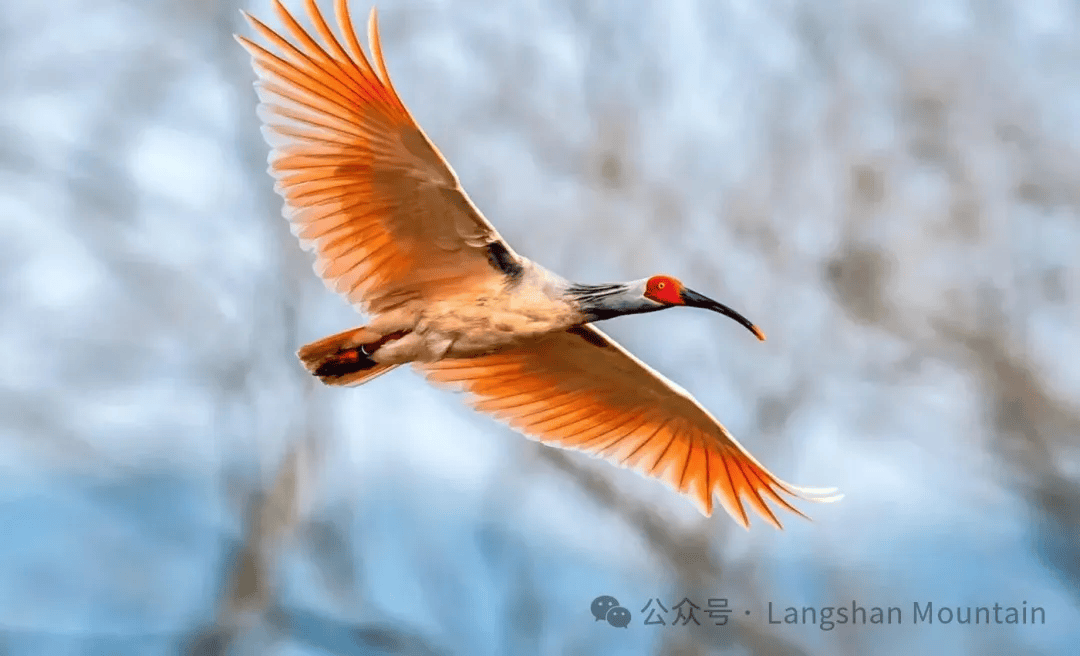
Mount Langshan is home to the world’s southernmost wild breeding population of crested ibises. Its uniquely favorable natural environment provides an ideal habitat for these rare birds to thrive and reproduce.

In recent years, Xinning County has remained committed to putting ecological conservation first and pursuing green development. Continuous efforts have been made to protect crested ibis habitats, restore local ecosystems and improve environmental quality. These initiatives have created increasingly favorable living conditions for wildlife, strengthened regional biodiversity and helped preserve the area’s rich natural heritage.

Together, these efforts are painting a beautiful picture of harmony between people and nature.

Vice Governor Jiang Difei Inspected Mount Langshan’s Tourism Integration and Traditional-Village Conservation

Vice Governor Jiang Difei Inspected Mount Langshan's Tourism Integration and Traditional-Village Conservation

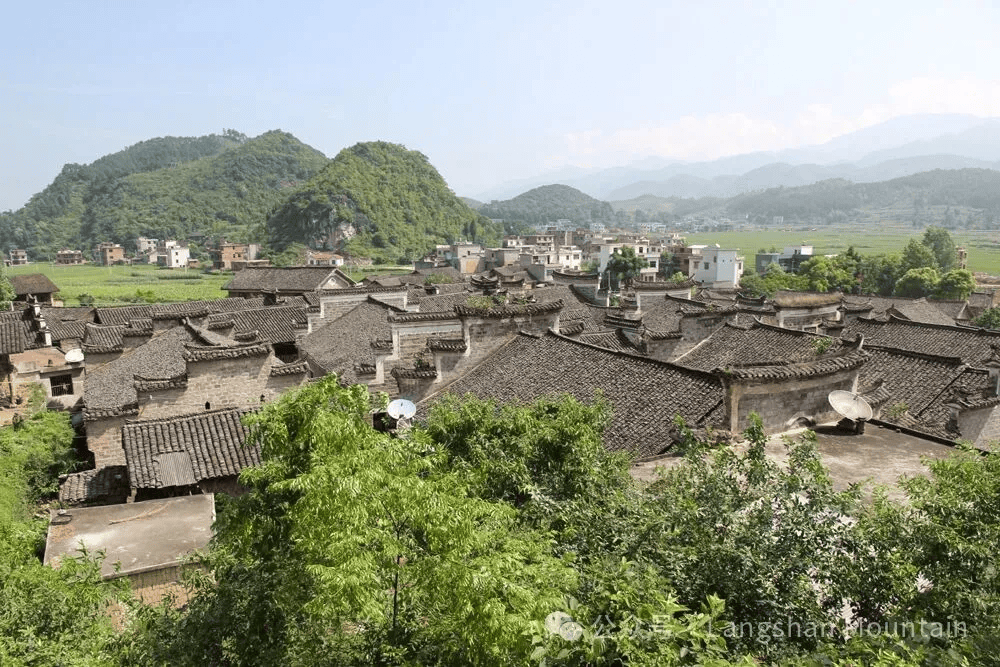
From October 27 to 28, Jiang Difei, Vice Governor of Hunan Province, visited Xinning County, Shaoyang City, to inspect local development initiatives. During his visit, he toured Mount Langshan Scenic Area, the Crested Ibis Conservation and Management Station, Shunhuangli Tourist Resort, the historic architectural complex of Xicunfang Village in Yidushui Town, and Wenquandong (Hot Spring Cave) in Jiaojialong Village, Jinshi Town.

The inspection focused on the integration of culture and tourism at Mount Langshan, the safety of tourism facilities, ecological conservation along the Fuyi River, crested ibis protection, the preservation of traditional villages, and efforts to address waste pollution in karst caves.

Jiang stressed the importance of safeguarding Mount Langshan’s prestigious status as a UNESCO World Natural Heritage Site. Building on its exceptional natural and cultural resources, he called for continued improvements to tourism infrastructure, innovation in cultural and tourism offerings, and the development of more diverse visitor experiences and consumption opportunities. He emphasized the need to bring together natural landscapes, local culture, and contemporary art, while promoting tourism on a larger scale with higher quality and distinctive local characteristics. The ultimate goal, he said, is to turn growing visitor numbers and online popularity into tangible economic growth.

He also underscored the importance of ensuring the safety of tourism facilities, particularly passenger cableways. He called for stronger visitor-flow monitoring and early-warning systems, regular safety inspections, and routine emergency drills to maintain a firm line of defense against safety risks.

On traditional village preservation, Jiang called for greater efforts to protect historic settlements and pass on their cultural heritage. He stressed the need to strengthen safety measures, particularly fire prevention, and ensure that conservation responsibilities are clearly assigned. He also encouraged the exploration of local cultural resources and the development of distinctive offerings, such as intangible cultural heritage experiences, to bring traditional villages back to life and create new momentum for the integration of culture and tourism.

Jiang further emphasized the importance of upholding the principle that lucid waters and lush mountains are invaluable assets. He called for stronger, long-term mechanisms for ecological monitoring and regulation, tighter controls at the source of pollution, and more thorough inspections to identify potential environmental risks. He also urged improvements to rural waste collection and disposal, alongside continued efforts to tackle environmental pollution in karst caves.

He stressed that a healthy ecological environment is the foundation for the sustainable development of tourism and must be protected to support the long-term growth of the local cultural and tourism industry.

Moral Role Models Share Inspiring Stories in Xinning County

Moral Role Models Share Inspiring Stories in Xinning County

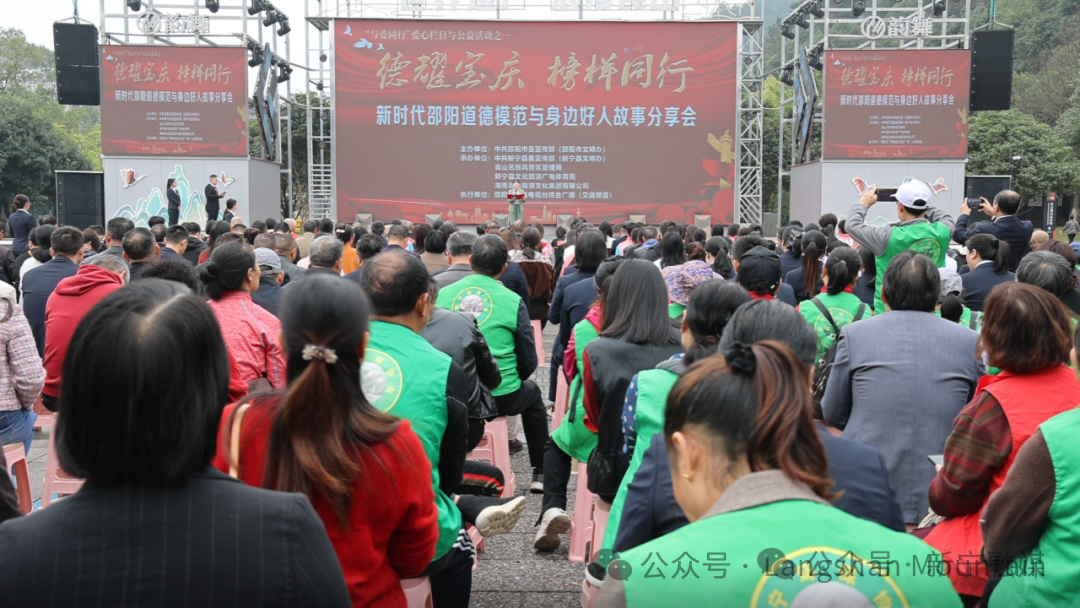
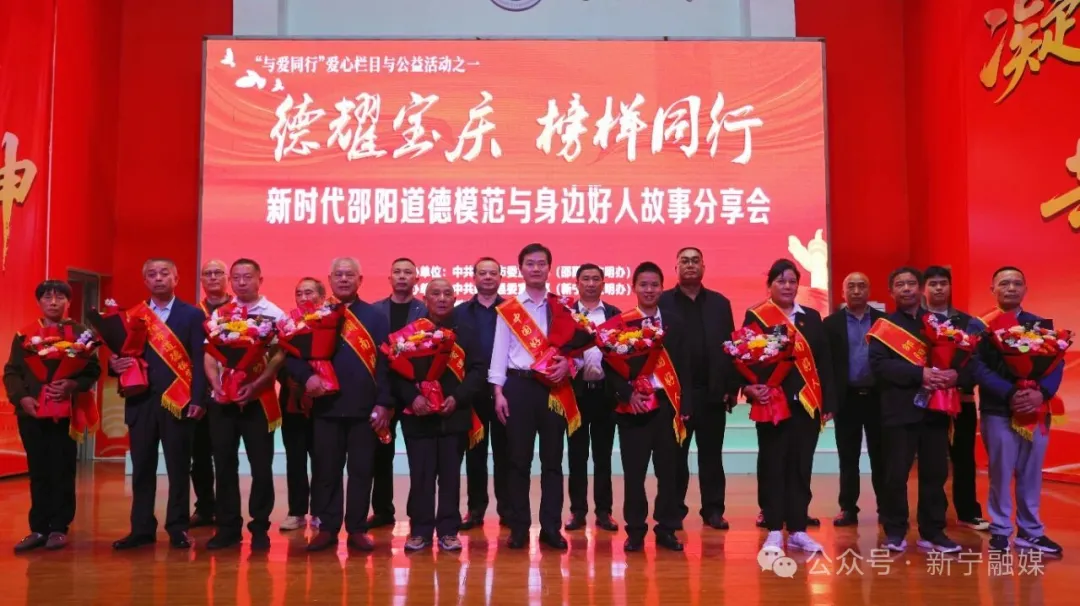
On October 29, the event “Virtue Shines in Baoqing, Role Models Inspire Us” brought inspiring stories of moral role models and everyday heroes to Xinning County, Shaoyang City, Hunan Province. Through heartfelt personal accounts, the event aimed to inspire people with exemplary deeds, spread kindness and compassion, and foster a stronger community spirit rooted in virtue, integrity, and goodwill.

The event was held at three venues:  the North Gate Square of Mount Langshan, the New Era Civilization Practice Station in Ningshow Community, and Siyuan Experimental School. Five distinguished role models were invited to share their experiences: China’s Good Samaritans Hou Changliang, Liu Feng, and Chen Jianjun; Hunan Moral Model Liu Weibing; and Hunan Good Samaritan Long Yanzhou.

Drawing on their own life experiences, the speakers shared moving stories of dedication to rural education, safeguarding scenic areas, providing medical care in rural communities, protecting forests and the environment, and helping fellow villagers achieve prosperity. Their accounts of serving local communities with commitment and selflessness offered audiences a powerful lesson in moral values and civic responsibility.

Liu Weibing, a Hunan Moral Model, said that protecting the region’s natural beauty and ecological environment was his lifelong mission. “By doing ordinary things well, day after day, anyone can become a role model in their community,” he said. He pledged to continue protecting the forests and inspiring more people to join efforts to conserve the environment and serve local communities.

Following the presentations, an interactive session gave audience members the opportunity to ask questions, share their reflections, and engage in face-to-face conversations with the role models. The lively exchanges and frequent applause reflected the audience’s enthusiasm and admiration.

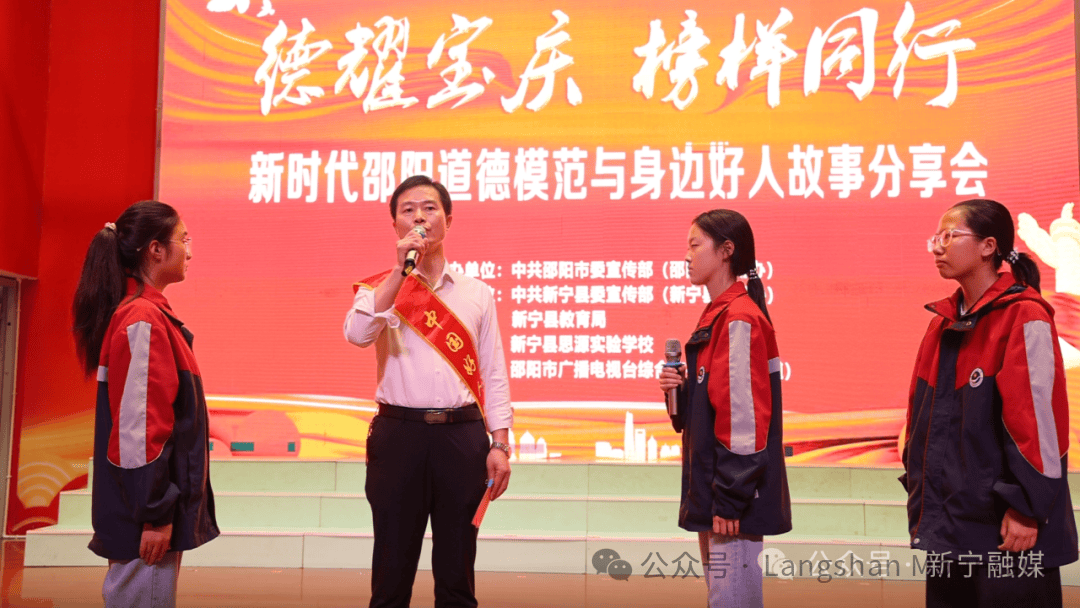
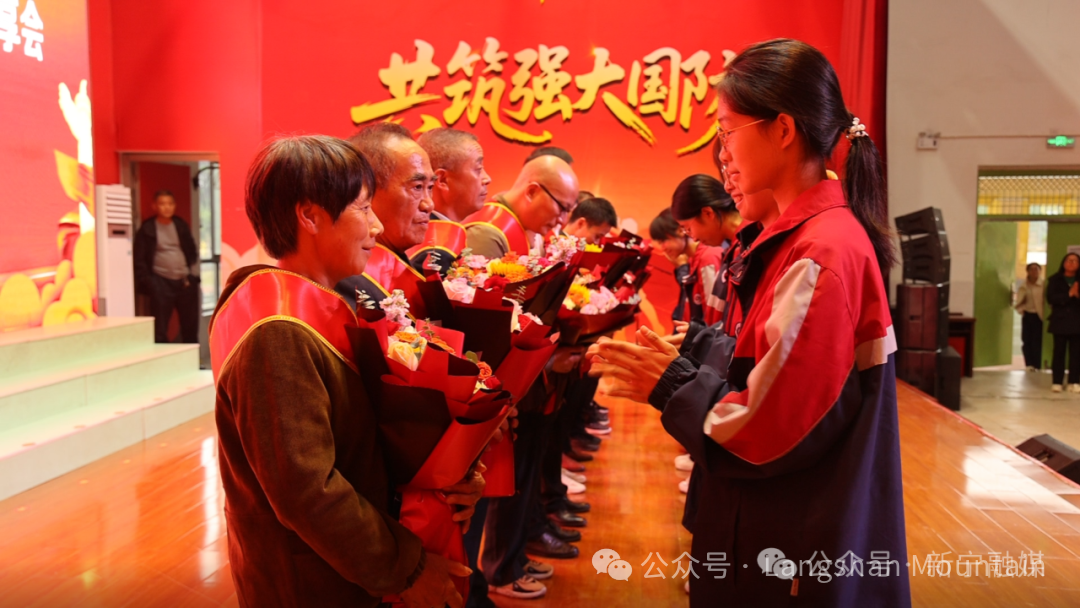
Student representatives then presented flowers to the role models. All attendees joined in reciting the Good Samaritan Initiative and singing Good People Are Right Here Among Us. The uplifting melody brought the event to a moving climax, spreading warmth, positive energy, and inspiration throughout the community.

Through these inspiring stories and personal encounters, the event encouraged residents to learn from exemplary individuals, practice kindness in everyday life, and contribute to a more caring and harmonious society.

Langshan Specialty: Sandu Shui Free-Range Chicken

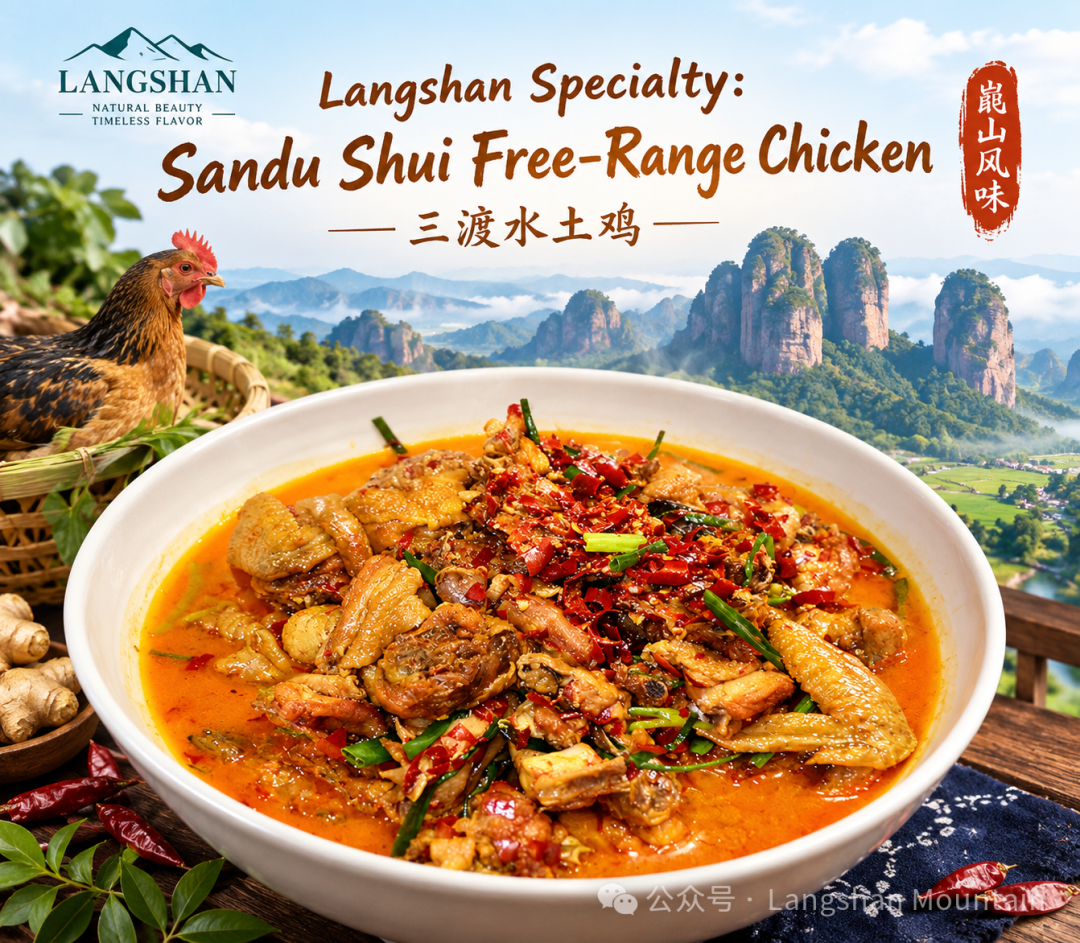
Langshan Specialty: Sandu Shui Free-Range Chicken

Traditional Preparation:

Free-range local chickens from the Sandu Shui area of Xinning county are prized for their firm, flavorful meat. The chicken is chopped into pieces and stir-fried over a wood-fired stove in fragrant local camellia oil over high heat until the surface moisture evaporates and the meat begins to brown. Seasoned simply with slices of ginger, dried chilies, and a splash of local rice wine, the chicken is cooked without an excess of spices. Once fragrant, a small amount of mountain spring water is added, and the chicken is gently simmered over low heat. It is not left covered to stew for long, allowing the meat’s natural flavor to shine through.

Flavor and Texture:

The chicken is firm, chewy, and satisfying, with a clear, light broth rich in the natural savory aroma of free-range chicken. Fragrant  camellia oil adds a delicate richness without making the dish greasy, while the chilies provide a clean, straightforward heat. Free from overpowering seasonings, this rustic dish celebrates the authentic flavors of the ingredients and the traditional cooking methods of rural Xinning county, delivering a rich taste and a pleasantly hearty texture.

Langshan Specialty: Loach-Poached Pukou Tofu

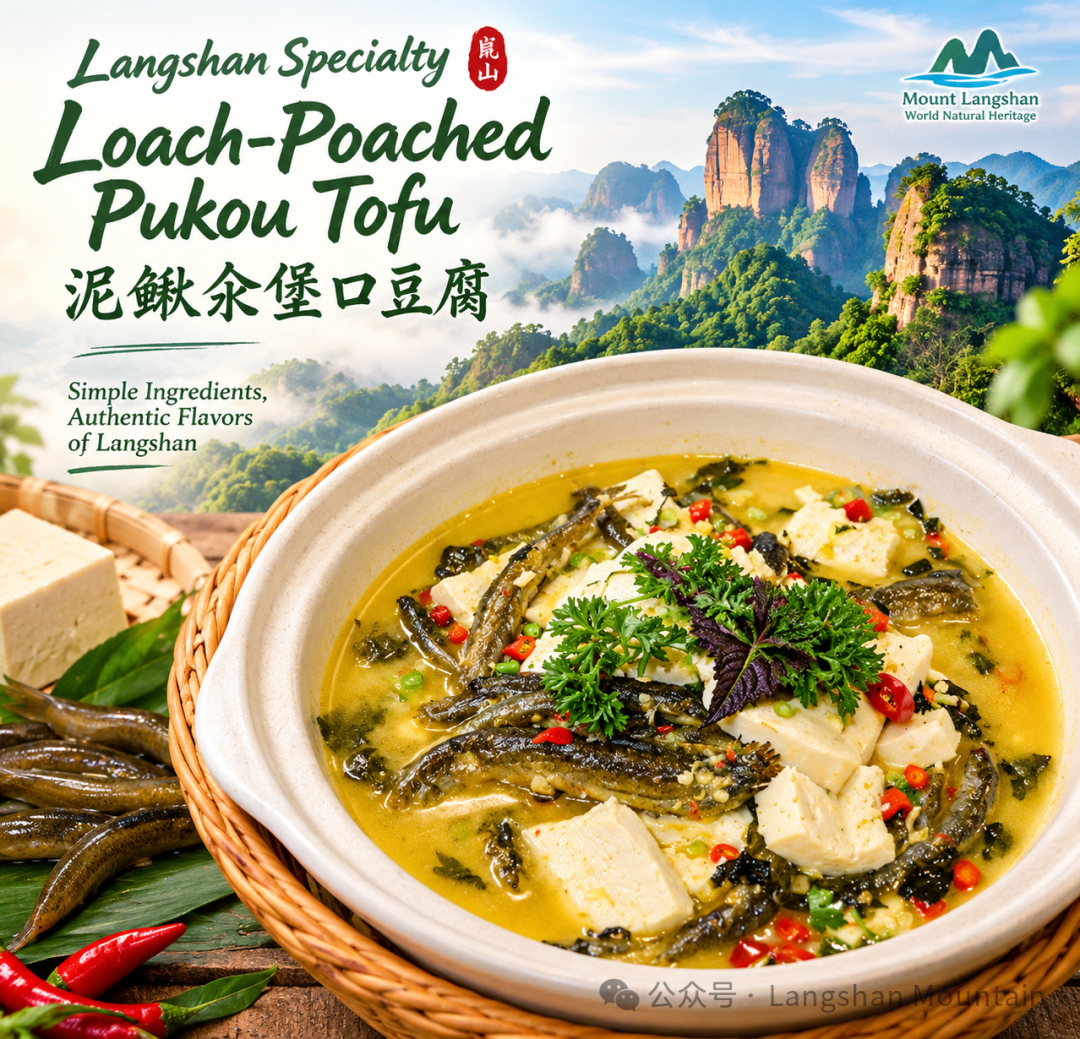
Langshan Specialty: Loach-Poached Pukou Tofu

Traditional Preparation:

This traditional Langshan dish features stone-ground, brine-set tofu from Pukou Village, Xinning county, prized for its delicate, silky texture. Live loaches are kept in clean, flowing water for two to three days to purge any mud and sediment.

Place a whole block of tofu in a pot of cold water, then add the live loaches. Gradually raise the temperature over low heat, allowing the loaches to naturally burrow into the tofu as the water warms. Add slices of ginger, local camellia oil, native bird’s eye chilies, and fresh perilla leaves. Season with salt to taste, then gently poach over low heat until both the loaches and tofu are thoroughly cooked. Finish with a sprinkling of chopped scallions.

Flavor and Texture:

The tofu is exceptionally tender and silky, while the loaches are succulent, delicate, and free of muddy odors. The tofu absorbs the loaches’ natural savory flavors, creating a rich, full-bodied broth infused with the refreshing aroma of perilla. Simple yet deeply satisfying, this rustic local specialty celebrates the authentic flavors of the Langshan countryside, offering a gentle, comforting taste of traditional rural cuisine.

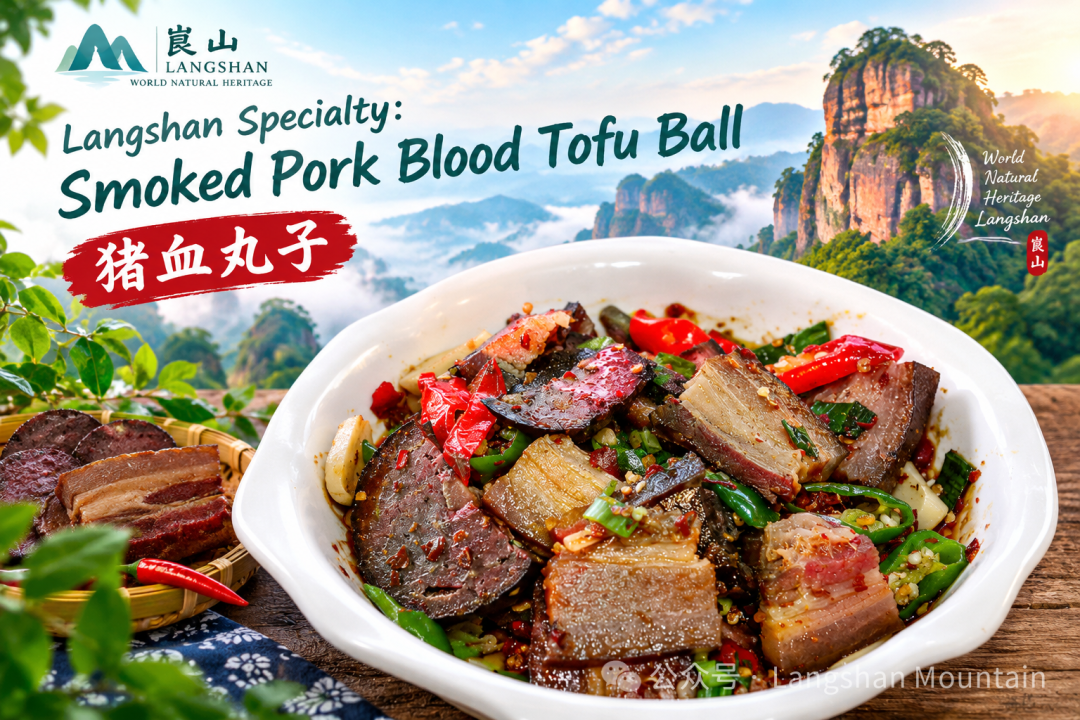
Langshan Specialty: Smoked Pork Blood Tofu Ball

Langshan Specialty: Smoked Pork Blood Tofu Ball

Traditional Preparation:

The Smoked Pork Blood Tofu Balls are traditionally made in the twelfth lunar month by mixing freshly drawn pork blood into stone-ground tofu. The mixture is repeatedly kneaded and pressed into shape, then laid out in the sun to dry. The cured pork is made from locally raised native pigs and slowly smoked over a wood fire, giving it a rich, smoky aroma.

To prepare the dish, slice the cured pork and stir-fry it until the fat renders. Add the smoked pork blood tofu balls and toss everything together until well combined. Finish with green peppers and garlic for extra flavor, seasoning with a little salt to taste.

Flavor and Texture:

The cured pork boasts a deep, smoky aroma, with rich yet non-greasy fat and lean meat that remains tender and juicy. The the smoked pork blood tofu balls are soft, chewy, and delicately rich, combining the natural fragrance of tofu with the savory flavor of pork blood. As they absorb the rendered fat from the cured pork, they become deliciously moist and flavorful. With its bold smoky notes and hearty taste, this traditional Xinning home-style dish is a winter favorite, bringing the warmth and festive spirit of Chinese New Year to the table.

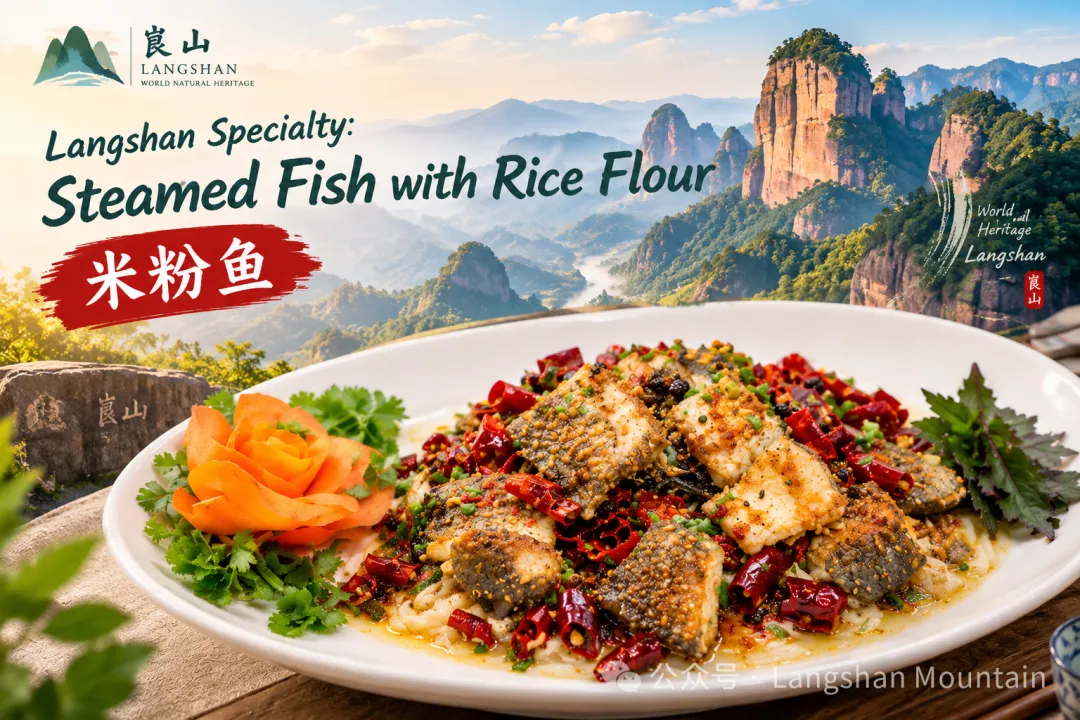
Langshan Specialty: Steamed Fish with Rice Flour

Langshan Specialty: Steamed Fish with Rice Flour

Traditional Preparation:

Grass carp or bighead carp is cut into chunks and marinated with salt, cooking wine, and ginger slices to remove any fishy odor. Coarse rice flour made locally in Xinning county are softened in warm water and spread across the bottom of a bowl. The marinated fish pieces are then arranged on top and seasoned with chopped chili peppers, fermented black beans, tea-seed oil, and minced garlic. The dish is steamed over high heat until the fish is cooked through and the rice flour have absorbed the fish’s natural juices and rich, savory flavors.

Flavor and Texture::

The fish is tender and succulent, while the rice flour are soft, slightly chewy, and full of flavor. The delicate taste of the fish blends beautifully with the fragrant rice flour, complemented by a spicy kick and the rich aroma of tea-seed oil. Steaming preserves the natural flavors of the ingredients, creating a satisfying yet light dish without excessive greasiness. This traditional Xinning specialty is a delicious choice for the whole family.

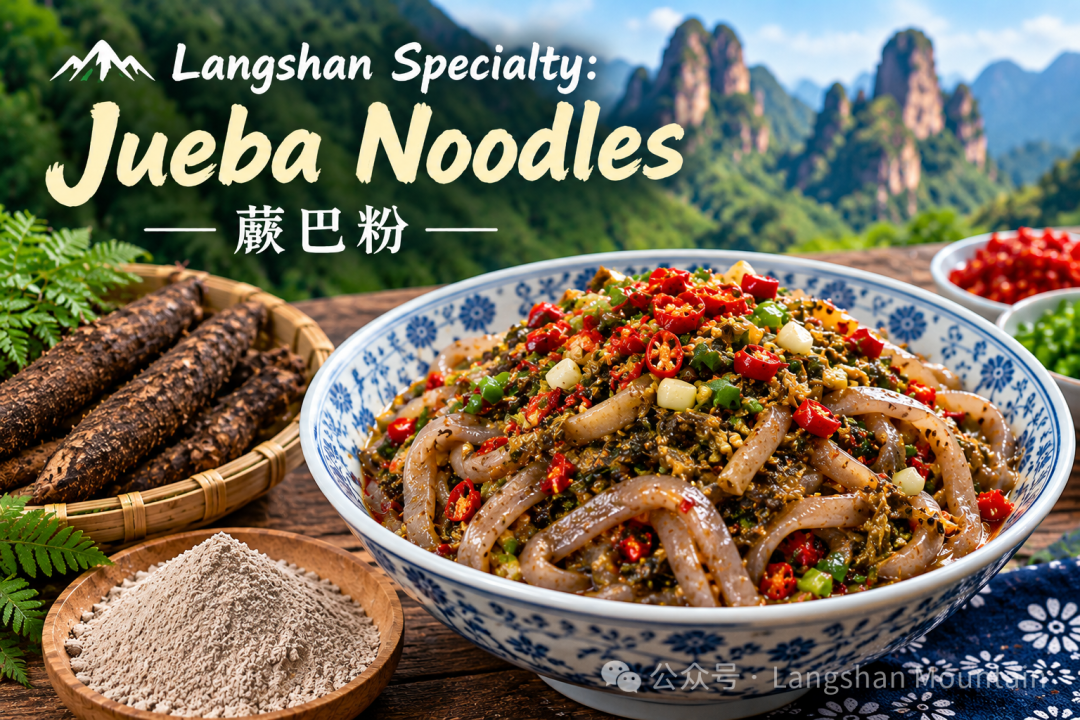
Langshan Specialty: Jueba Noodles(Wild Fern-Root Starch Noodles)

Langshan Specialty: Jueba Noodles(Wild Fern-Root Starch Noodles)

Traditional Preparation:

Wild fern roots are gathered from the deep mountains, thoroughly washed, pounded and crushed, then filtered to extract their starch. Once the starch has settled, it is mixed with water and cooked until thickened, then cooled to form Jueba(蕨粑), a traditional fern starch cake. The cake is sliced into thin strips and stir-fried with pickled vegetables and chili peppers, or cooked in a savory soup and tossed with seasonings before serving.

Flavor and Texture:

Dark, almost black in color, Jueba has a smooth, springy, pleasantly chewy texture and a distinctive earthy aroma from wild bracken roots. Traditionally enjoyed for its refreshing qualities, it is a beloved mountain delicacy from Xinning, known for its tangy, spicy flavor that whets the appetite and cuts through the richness of other dishes. Its unique taste and texture make it a memorable part of the local food culture.

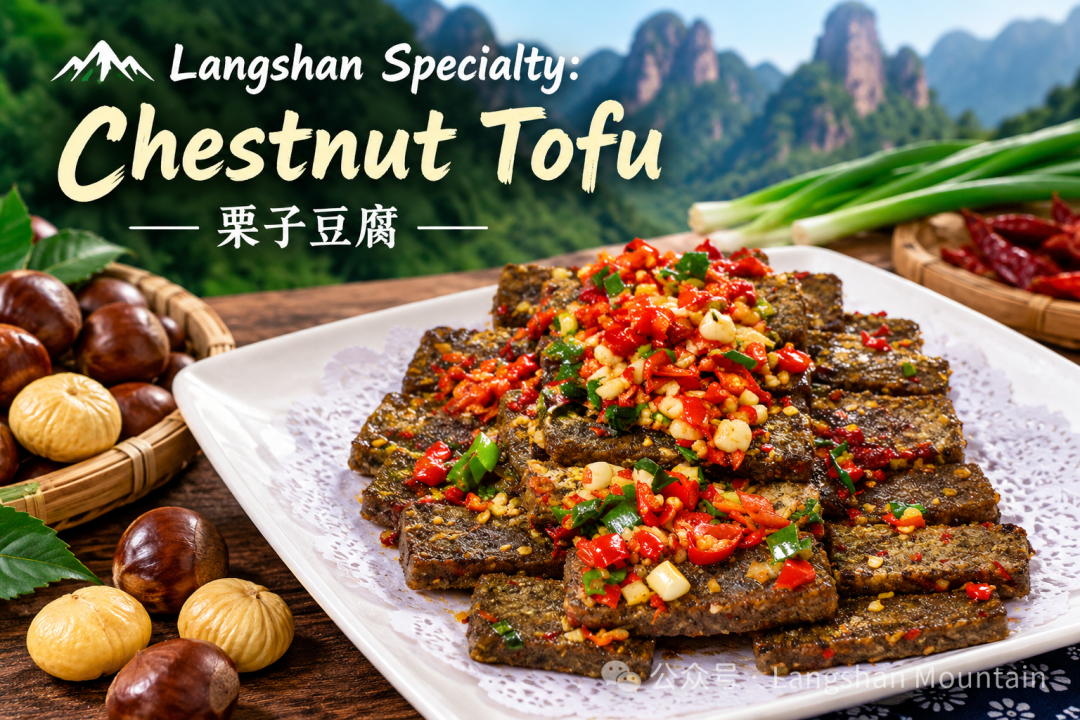
Chestnut Tofu:A Traditional Mountain Delicacy from Mount Langshan

Chestnut Tofu:A Traditional Mountain Delicacy from Mount Langshan

Chestnut Tofu: A Traditional Mountain Delicacy from Mount Langshan

Traditional Preparation:

Wild chestnuts are gathered from the mountains of Xinning county. After the shells and skins are removed, the chestnuts are ground into a fine powder. The powder is then mixed with wood ash water and mountain spring water in carefully measured proportions. The mixture is poured into a pot and simmered over low heat, with constant stirring until it thickens into a paste. It is then transferred to a container and left to cool and set into a tofu-like consistency.

Once set, the chestnut tofu is cut into small pieces. It is commonly stir-fried with dried chilies, garlic shoots, and smoked cured pork, or added to soups with fresh leafy greens.

Flavor and Texture:

Chestnut tofu has a pale grayish-brown color and a smooth, pleasantly chewy texture. It carries the delicate, nutty aroma of wild chestnuts, with a subtle bitterness at first that gives way to a naturally sweet aftertaste. Traditionally believed to help clear internal heat, this distinctive mountain ingredient is a rare local specialty unique to Xinning county, offering an unusual and memorable taste of the region’s culinary heritage.

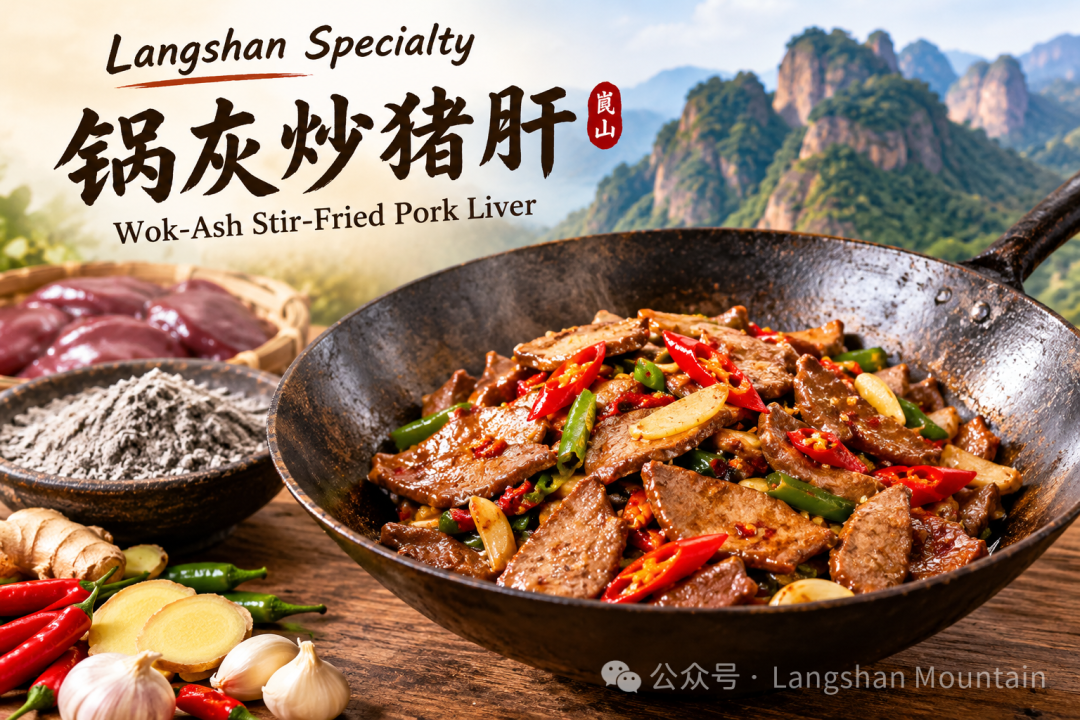
Langshan Specialty: Wok-Ash Stir-Fried Pork Liver

Traditional Preparation:

Collect the fine, natural wood ash from the bottom of a traditional wood-fired cooking stove. Slice the pork liver thinly and soak it in water to remove the blood. Rinse it with a small amount of wood ash to help eliminate its strong odor.

Heat an iron wok until piping hot, then add a generous amount of tea-seed oil and heat it over a high flame. Add the pork liver and stir-fry rapidly over high heat. Toss in pickled chili peppers, young ginger, and garlic, stirring quickly to combine the flavors. Precise heat control is essential throughout the cooking process. As soon as the liver changes color and is just cooked through, remove it from the wok to prevent it from becoming tough or overcooked.

Flavor and Characteristics:

The traditional use of wood ash helps remove the liver’s strong odor, while the quick, high-heat stir-frying preserves its tender, succulent texture. The finished dish is delightfully tender with a delicate bite, free from unpleasant gamey odors, and bursting with the savory aroma of tea-seed oil, the heat of pickled chilies, and the freshness of young ginger and garlic.

A distinctive local specialty of Xinning county, Hunan, this rustic country dish is celebrated for its bold, spicy flavor and exceptionally tender texture. Mastering it requires considerable skill, especially in controlling the heat to achieve the perfect balance of freshness, tenderness, and crispness.

« Older Entries