Category Archives: Langshan Specialty

In Mount Langshan, there’s a local delicacy called Yanzi Flower Rice Cakes —a taste of home, just like Mum used to make!

In Mount Langshan, there's a local delicacy called Yanzi Flower Rice Cakes —a taste of home, just like Mum used to make!
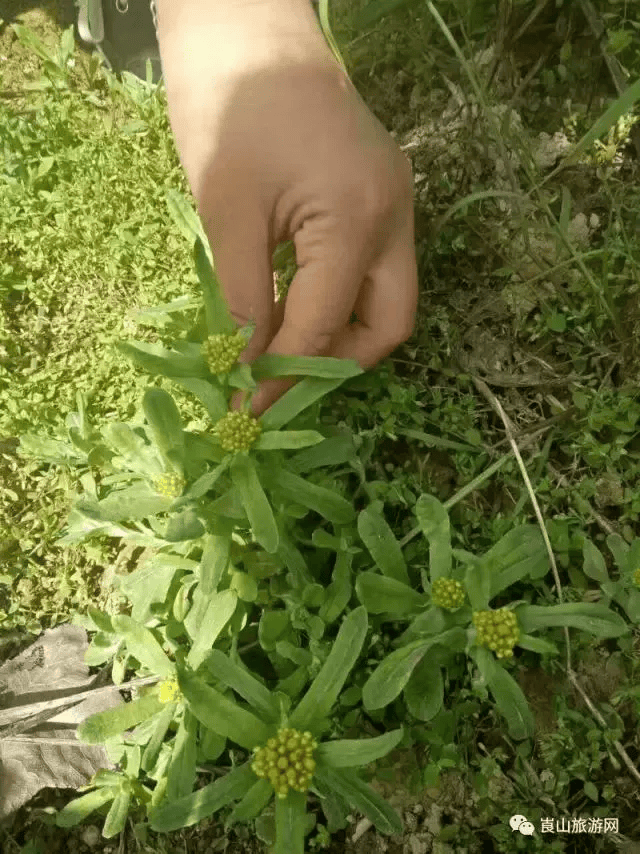
Hand picking a wild green plant with clusters of small yellow flower buds

As spring returns and the countryside comes alive with fresh energy, the fields lie waiting for the new season’s planting after the autumn harvest. Across the farmland and along the field paths, clusters of delicate little wildflowers begin to bloom. Known by different names in different places, they are called Nianci Flowers or Water Buffalo Flowers in some areas. Here in Xinning, locals call them Yanzi Flowers(the flowers of everlasting cudweed).

These little spring flowers, though humble in appearance, can be turned into a surprisingly delicious local delicacy.
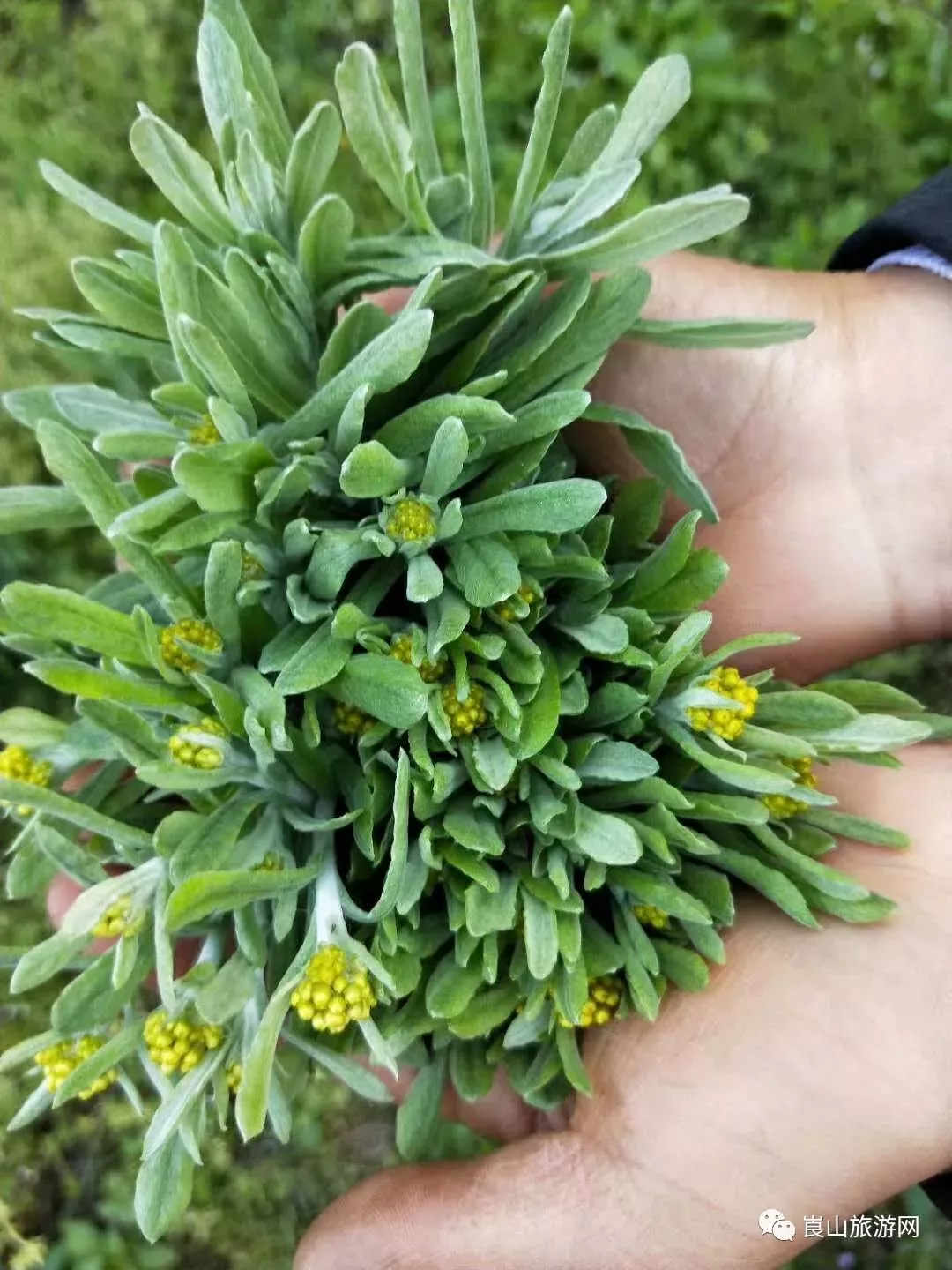
Hand holding a bunch of green leafy wild plants with small yellow flower clusters

For those who grew up in the countryside, do you remember picking Yanzi Flowers on your way home from school or while taking the family buffalo out to graze? One of our favorite childhood treats was gathering these flowers to make traditional glutinous rice cakes. They had a wonderful fragrance and tasted absolutely delicious.

Making Yanzi Flower Rice Cakes is actually quite simple. First, pick the fresh flowers, remove any unwanted bits, and wash them thoroughly.
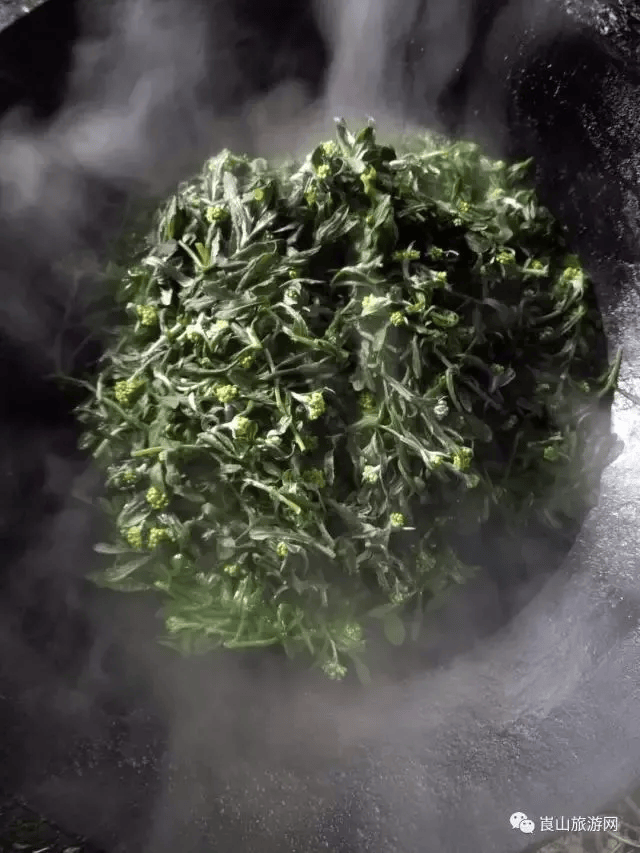
A mound of fresh green leafy herbs steaming in a black pan.

Next, crush the flowers into a smooth green paste. Add glutinous rice flour and white sugar, then knead, squeeze, and press the mixture until everything is well combined. Shape it into small, round, green rice cakes and steam them in a large pot until fully cooked.

And there you have it!

The finished rice cakes are fragrant, sweet, soft, and wonderfully chewy. They can also be pan-fried, which brings out an especially delicious aroma and gives them a slightly crispy exterior. Each bite offers a unique taste of spring and a warm touch of childhood nostalgia.
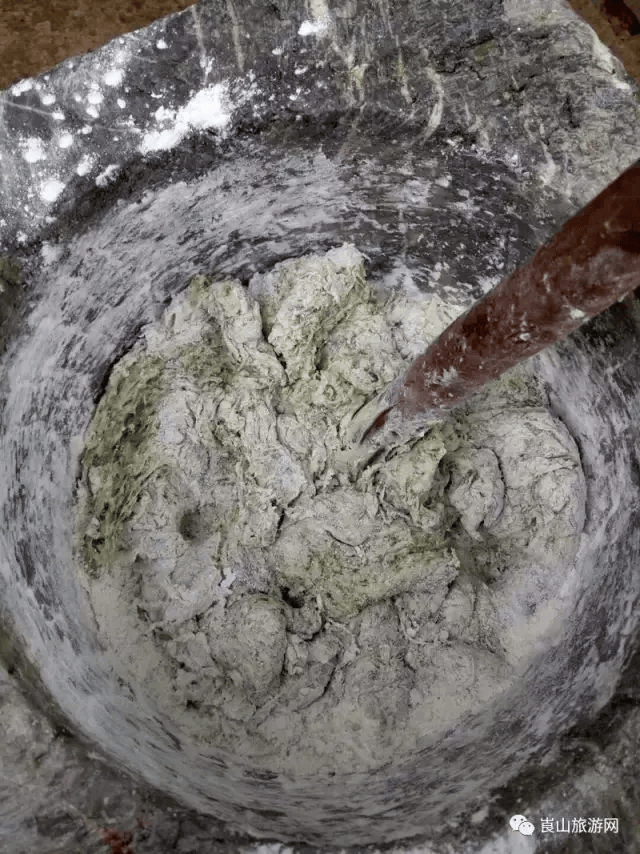
Close-up of greenish-gray clay being mixed in a large bucket with a wooden stick

Yanzi Flowers may not look particularly impressive, but the rice cakes made from them are truly delicious. Their distinctive floral fragrance and soft, sticky texture make this humble countryside treat something special.

In traditional Chinese medicine, Qingming Cai (the plant commonly known as Yanzi Flower in Xinning county) is traditionally described as sweet in taste and neutral in nature, and associated with the Lung meridian. Compendium of Materia Medica (《本草纲目》) records its traditional uses, including supporting the body’s vital energy and helping relieve coughs and phlegm.
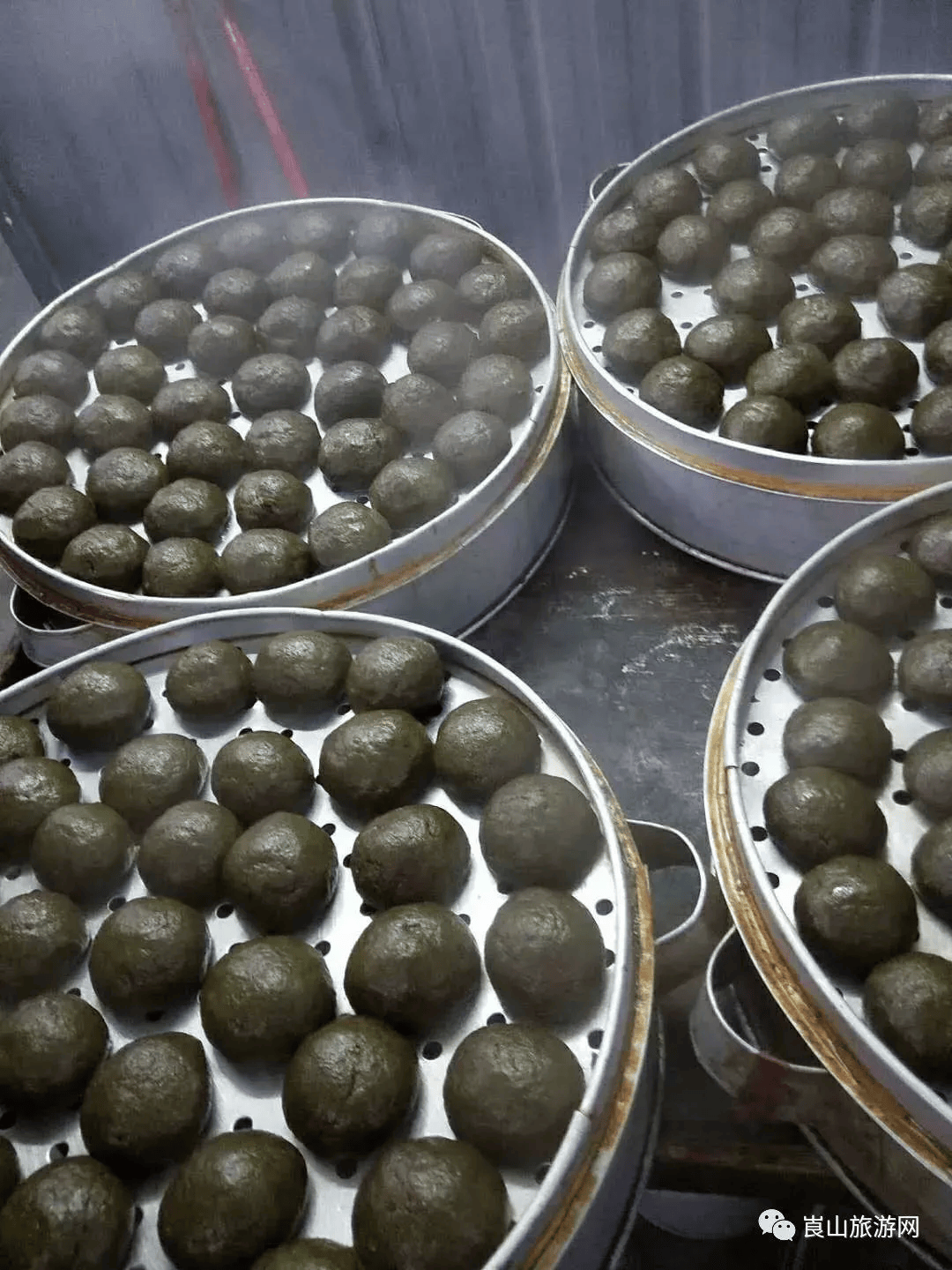
Round dark green dough balls arranged in several metal steaming trays

As spring arrives, why not take the opportunity to enjoy this seasonal countryside delicacy?

Have you ever tried Yanzi Flower Rice Cakes? Do you remember picking these little flowers as a child? Share your memories and thoughts in the comments below!

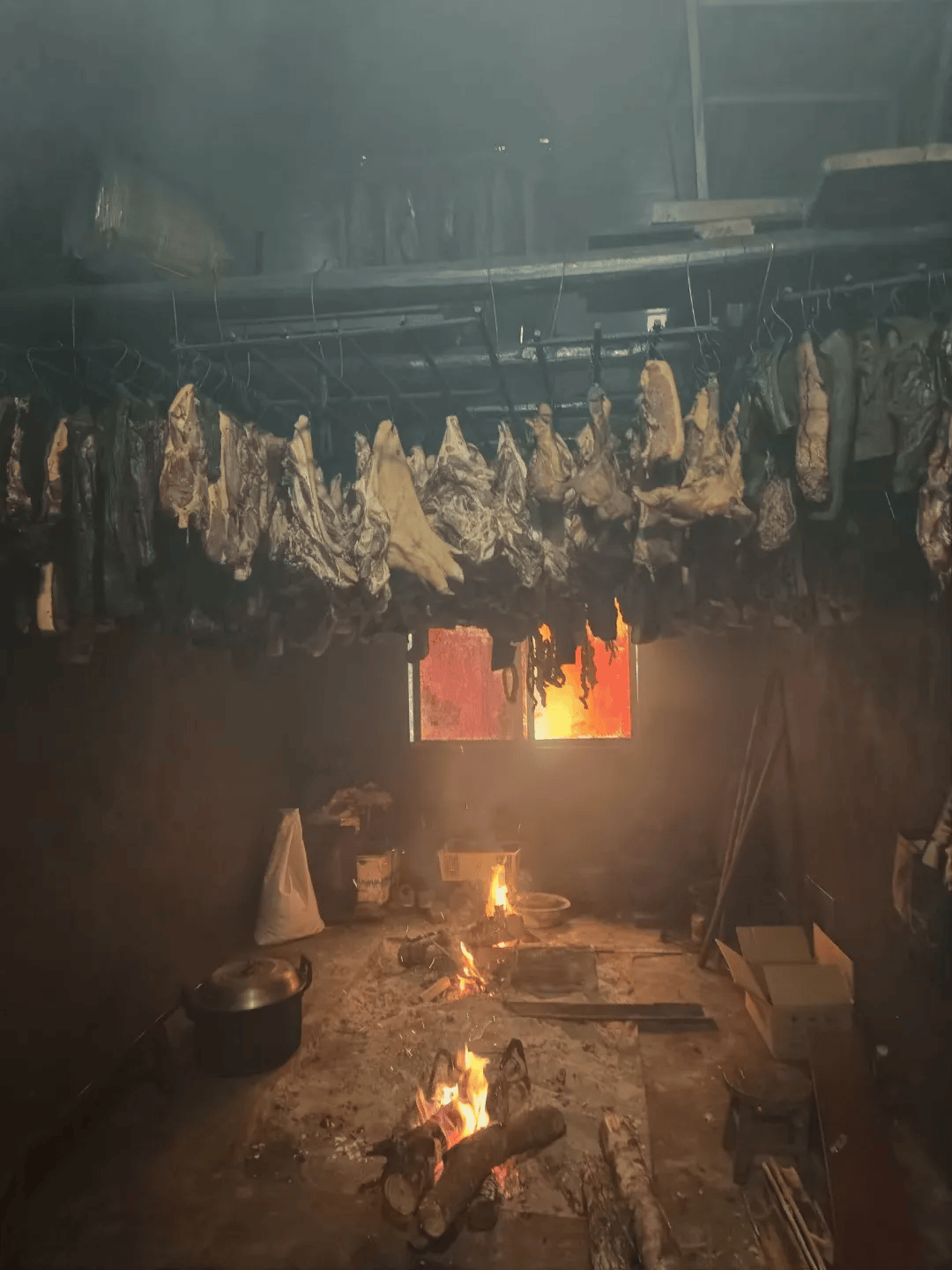
Langshan Smoked Pork Belly: A Must-Have Delicacy for Chinese New Year

Langshan Smoked Pork Belly – Traditional Chinese New Year Delicacy
Indoor smokehouse with hanging cured meats and a fire pit, creating a rustic food preservation setting.

With Chinese New Year just around the corner, there is one dish that simply must not be missing from the festive dinner table: Chinese cured pork, or La Rou (腊肉)! And the best part? However you cook it, it tastes absolutely delicious!

Through the magic of time, smoke, and traditional wood-fired curing, an ordinary cut of pork is transformed into something extraordinary—a mouthwatering delicacy known as La Rou.

As the acclaimed Chinese food documentary A Bite of China beautifully puts it, La Rou captures the flavors of fire and smoke, sunshine and wind, time and human warmth. It is a winter delicacy rich in both flavor and tradition.

Close-up of layered braised pork belly with steam rising, presented on a dark background with red chili peppers.

But finding authentic, delicious cured pork that is also made with care and quality ingredients is not always easy. Today, we’d love to introduce you to a truly irresistible local specialty: Hunan Langshan Farmhouse-Style Smoked Pork Belly, made from locally raised free-range hogs.

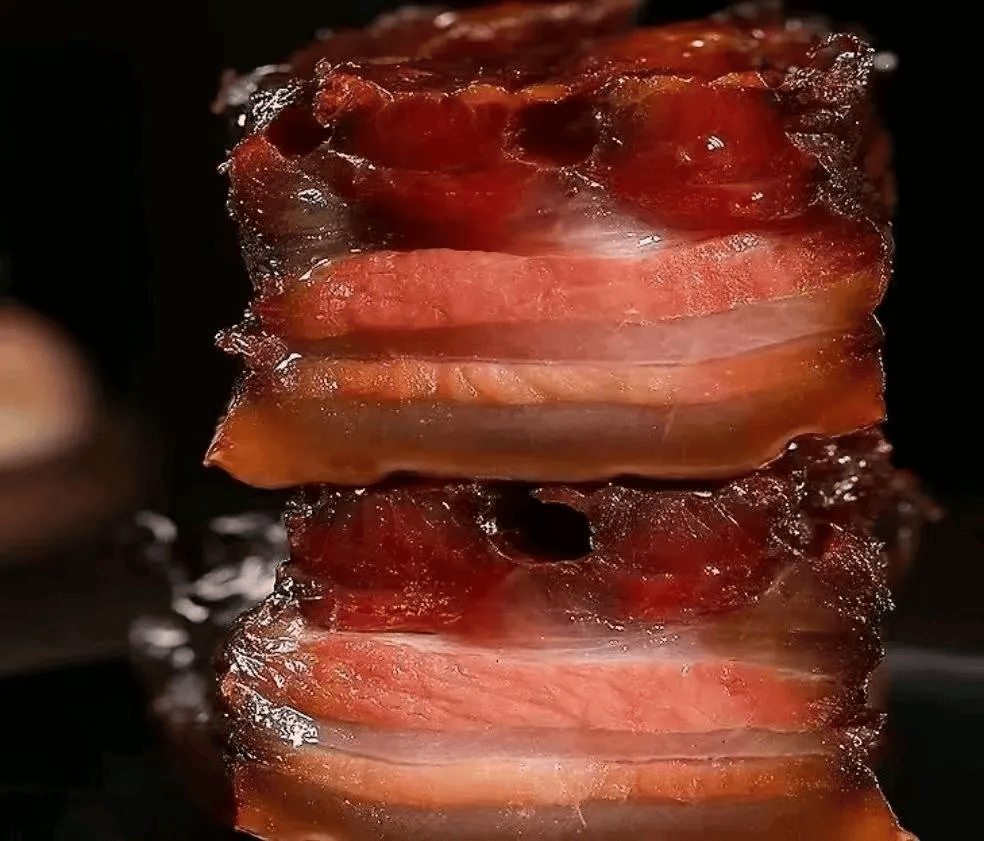
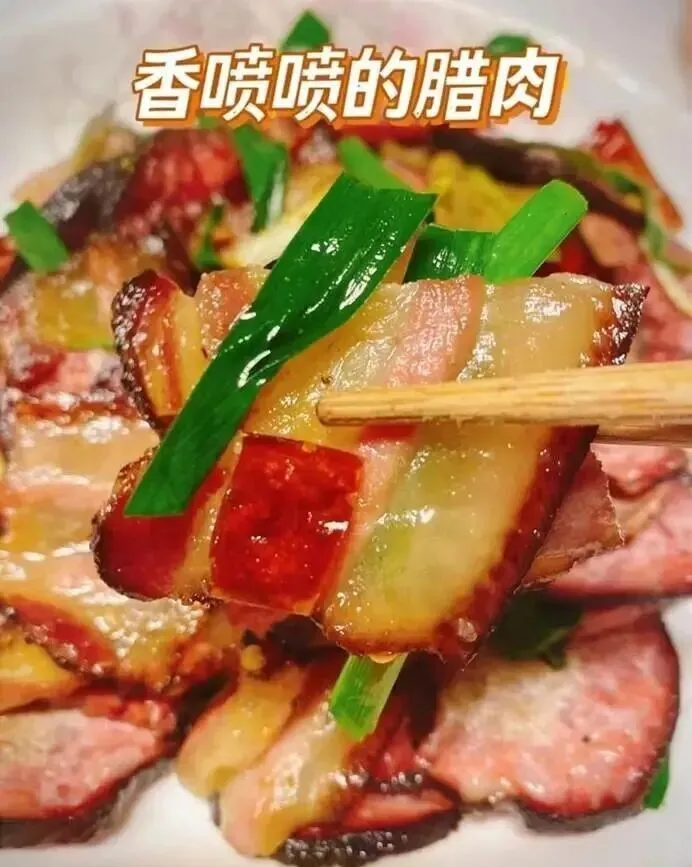
With its beautiful layers of lean meat and rich fat, every bite is packed with smoky goodness—rich and flavorful, yet never greasy. Just looking at it is enough to make your mouth water!

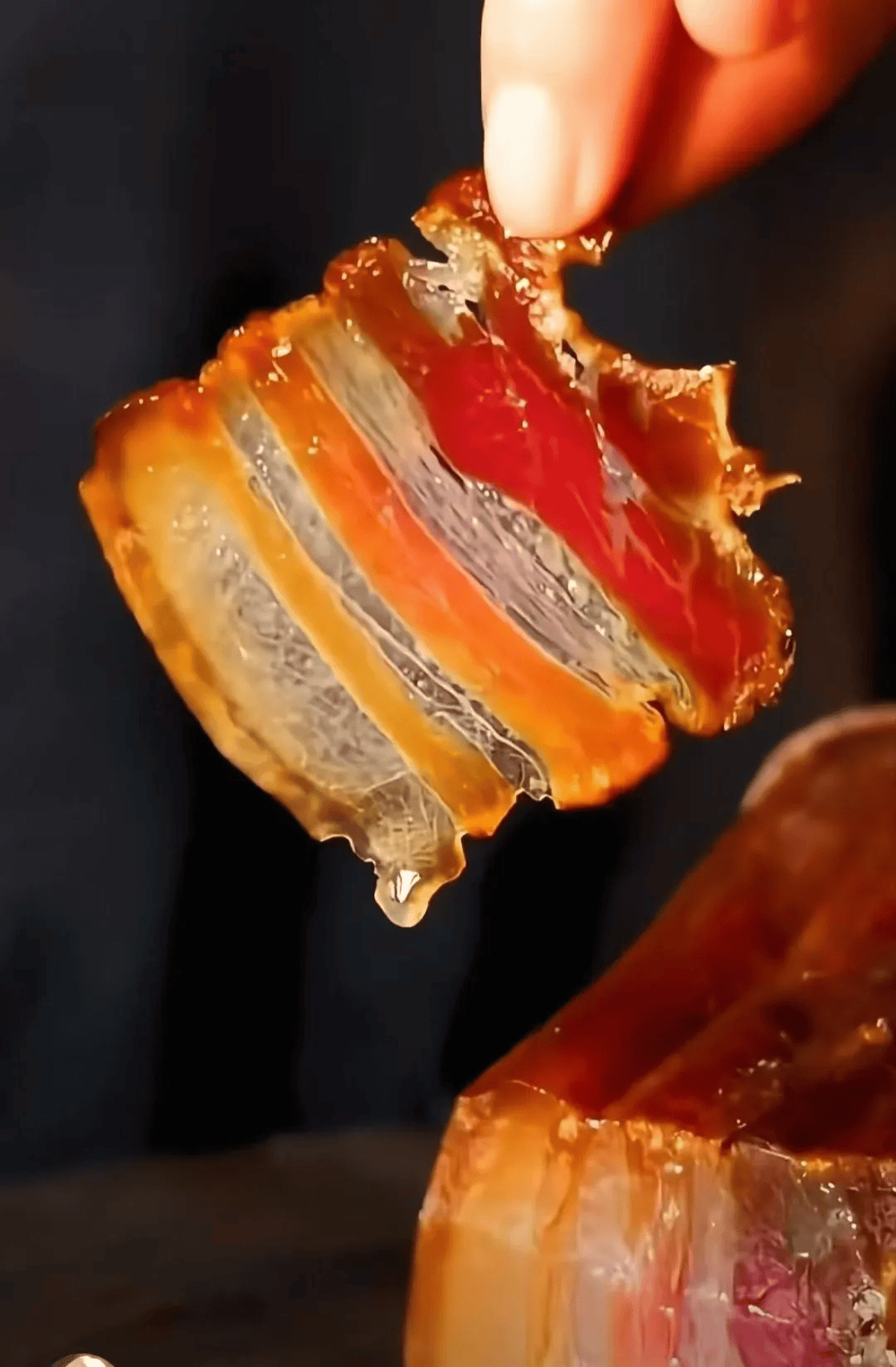
A close-up of a hand holding a translucent, layered slice of cured meat, showcasing its colorful striations.

Authentic Langshan Smoked Pork Belly from Shaoyang, Hunan

This is traditional farmhouse-style smoked pork belly from Langshan, Xinning County, Shaoyang, Hunan Province.

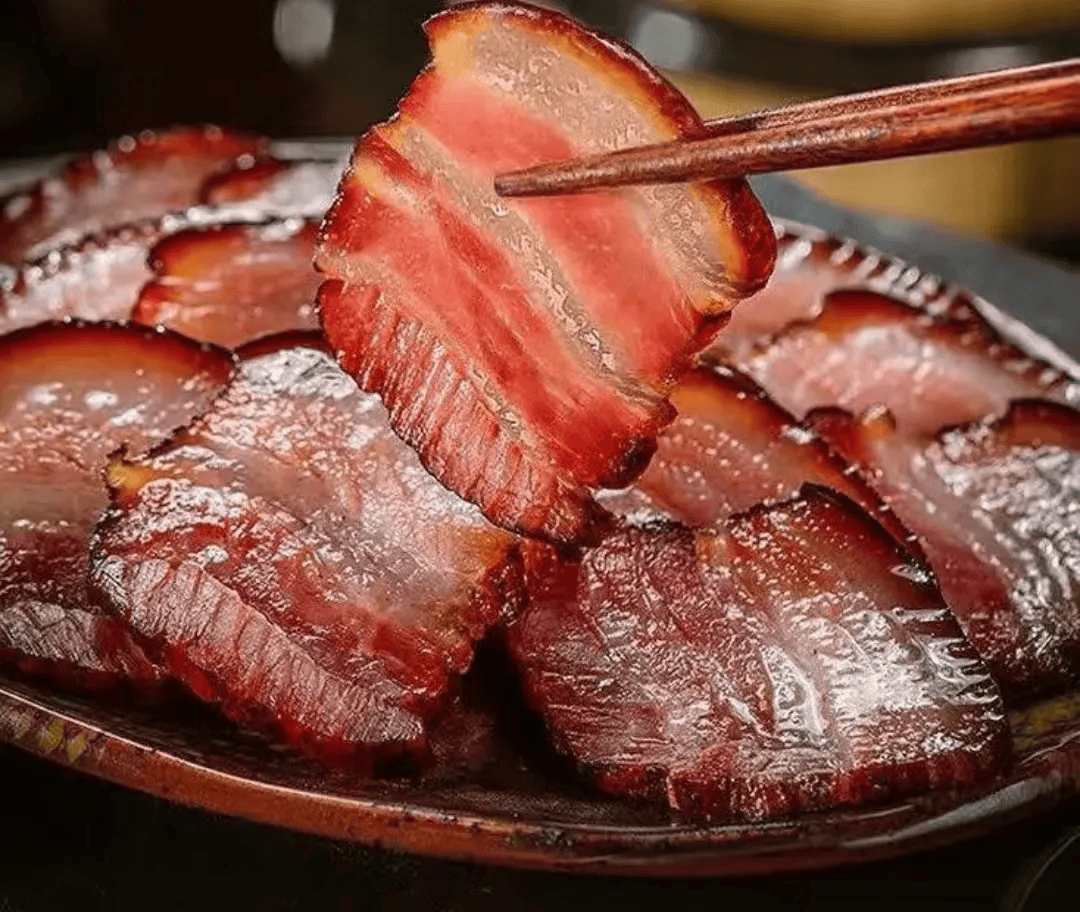
Its exterior has a beautiful golden-brown color, while a slice reveals striking layers of rosy red meat and creamy white fat. It can be boiled, stir-fried, or steamed, and each cooking method brings out its distinctive smoky aroma.

With just the right balance of saltiness and savory richness, Langshan smoked pork is a beloved staple of Hunan cuisine and an essential part of the Chinese New Year feast.

A close-up of several slices of glossy, red barbecue pork on a brown plate, with a chopstick holding one slice above the rest.

Whether it’s Chinese New Year, other festive celebrations, or traditional wedding banquets held around the Spring Festival, this local delicacy is almost always on the menu.

Making La Rou Takes Patience. Cooking It Is Surprisingly Easy!

Traditional cured pork takes considerable time and skill to prepare, but cooking it couldn’t be simpler.

Close-up view of layered slices of cooked meat with a caramelized exterior, showcasing a mix of red and pink hues.

Just simmer the pork in water for a while, slice it thinly, and toss it into a hot wok. As the irresistible smoky aroma fills your kitchen, even the simplest vegetables are transformed into something extraordinary!

There’s an old Chinese saying: “When one family cooks pork, the whole neighborhood enjoys the aroma.”

And it’s absolutely true!

When cooking with authentic Langshan smoked pork, extra seasonings are largely unnecessary. You don’t even need to add salt. Its naturally rich, savory flavor and deep smoky fragrance are more than enough to make the dish shine.

Even a Michelin-starred chef might find that this humble farmhouse delicacy needs no fancy culinary tricks. Its flavor speaks for itself!

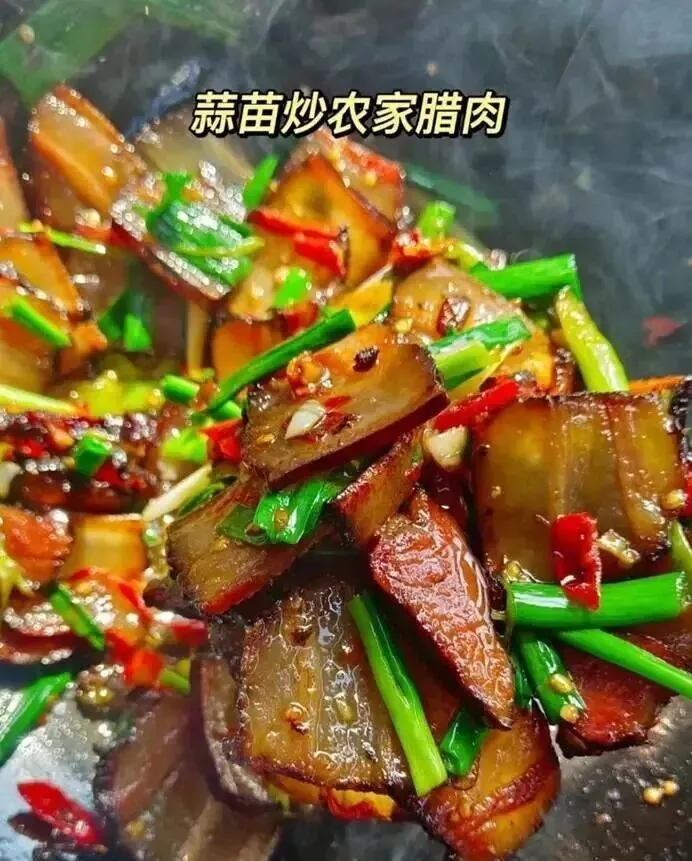
A close-up of sautéed pork belly mixed with green onions and red chili peppers, garnished with spices in a steaming pan.

Endless Ways to Enjoy Langshan Smoked Pork

Garlic shoots stir-fried with smoked pork, cabbage stir-fried with smoked pork, green garlic with smoked pork… You name the vegetable, and chances are it will make a perfect match!

With a little Langshan smoked pork in your kitchen, everyday meals become something special. Feel free to experiment—it’s so delicious and versatile that even a beginner in the kitchen can hardly go wrong.

Close-up of glazed, sliced barbecued pork with green onions held by chopsticks.

One last tip: When smoked pork is on the menu, make sure you cook a couple of extra bowls of rice. You’ll definitely need them!

Because with authentic Langshan smoked pork, one bowl of rice is simply never enough!

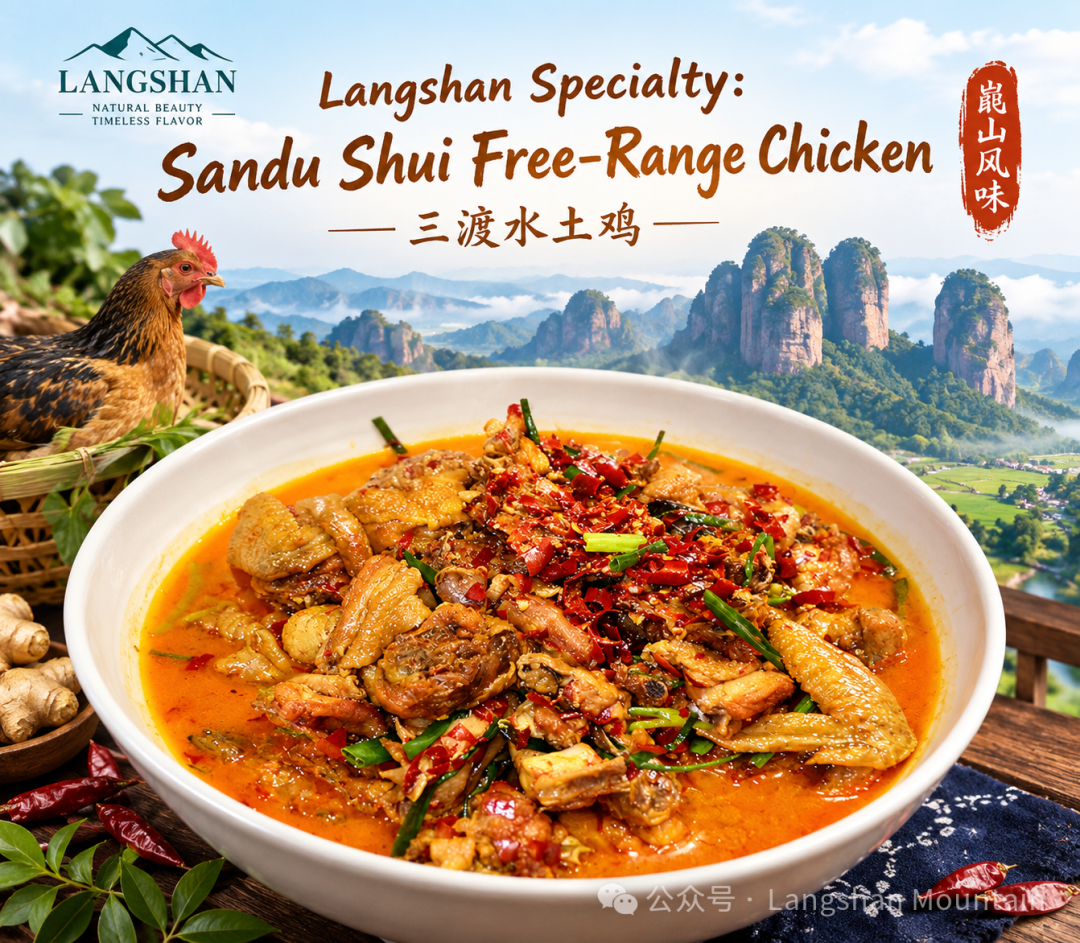
Langshan Specialty: Sandu Shui Free-Range Chicken

Langshan Specialty: Sandu Shui Free-Range Chicken

Traditional Preparation:

Free-range local chickens from the Sandu Shui area of Xinning county are prized for their firm, flavorful meat. The chicken is chopped into pieces and stir-fried over a wood-fired stove in fragrant local camellia oil over high heat until the surface moisture evaporates and the meat begins to brown. Seasoned simply with slices of ginger, dried chilies, and a splash of local rice wine, the chicken is cooked without an excess of spices. Once fragrant, a small amount of mountain spring water is added, and the chicken is gently simmered over low heat. It is not left covered to stew for long, allowing the meat’s natural flavor to shine through.

Flavor and Texture:

The chicken is firm, chewy, and satisfying, with a clear, light broth rich in the natural savory aroma of free-range chicken. Fragrant  camellia oil adds a delicate richness without making the dish greasy, while the chilies provide a clean, straightforward heat. Free from overpowering seasonings, this rustic dish celebrates the authentic flavors of the ingredients and the traditional cooking methods of rural Xinning county, delivering a rich taste and a pleasantly hearty texture.

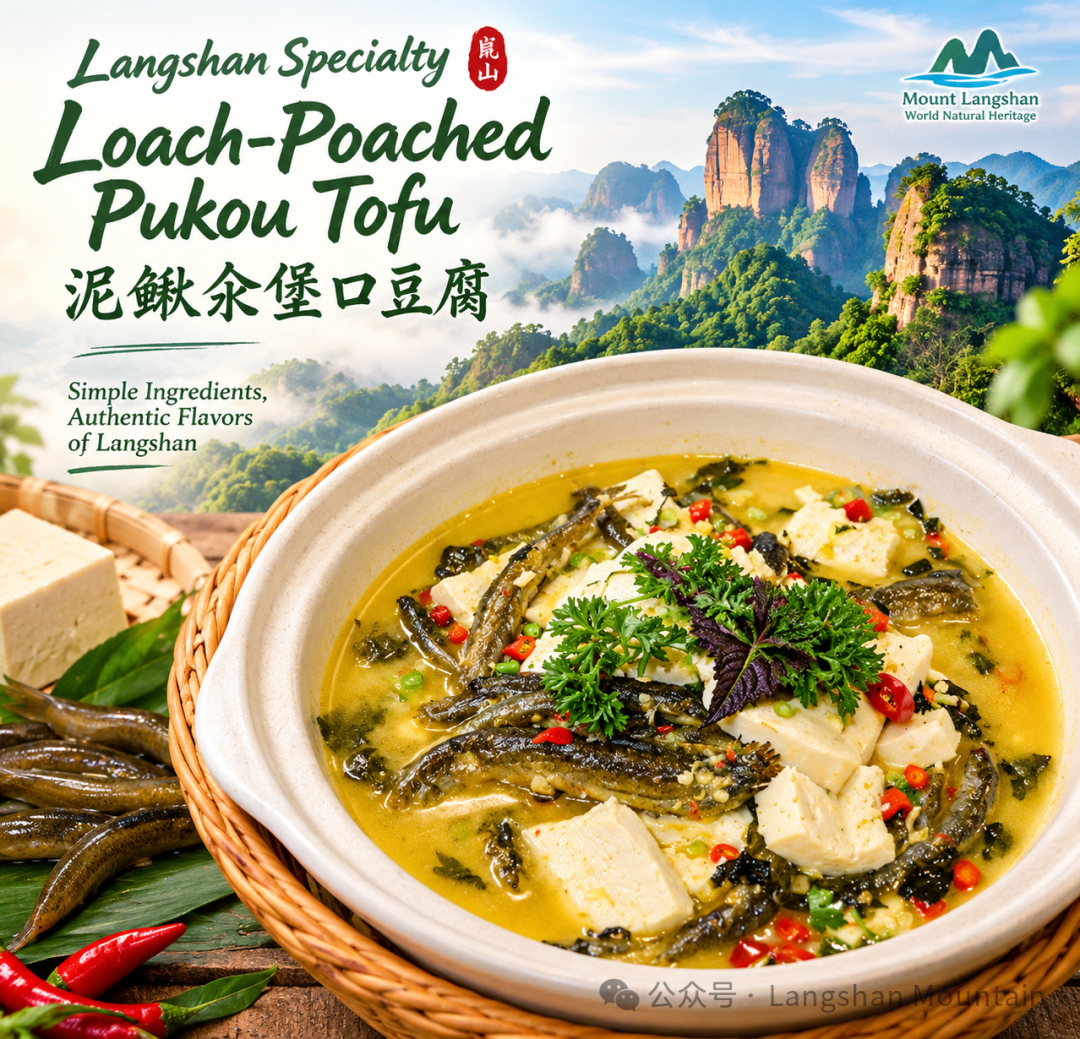
Langshan Specialty: Loach-Poached Pukou Tofu

Langshan Specialty: Loach-Poached Pukou Tofu

Traditional Preparation:

This traditional Langshan dish features stone-ground, brine-set tofu from Pukou Village, Xinning county, prized for its delicate, silky texture. Live loaches are kept in clean, flowing water for two to three days to purge any mud and sediment.

Place a whole block of tofu in a pot of cold water, then add the live loaches. Gradually raise the temperature over low heat, allowing the loaches to naturally burrow into the tofu as the water warms. Add slices of ginger, local camellia oil, native bird’s eye chilies, and fresh perilla leaves. Season with salt to taste, then gently poach over low heat until both the loaches and tofu are thoroughly cooked. Finish with a sprinkling of chopped scallions.

Flavor and Texture:

The tofu is exceptionally tender and silky, while the loaches are succulent, delicate, and free of muddy odors. The tofu absorbs the loaches’ natural savory flavors, creating a rich, full-bodied broth infused with the refreshing aroma of perilla. Simple yet deeply satisfying, this rustic local specialty celebrates the authentic flavors of the Langshan countryside, offering a gentle, comforting taste of traditional rural cuisine.

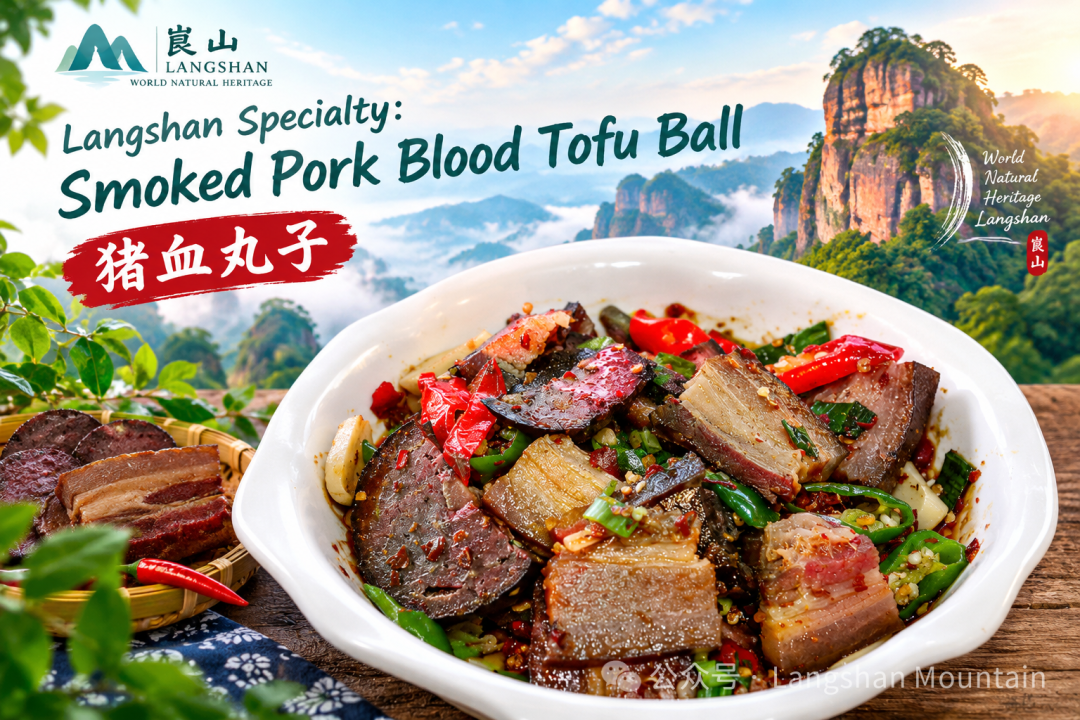
Langshan Specialty: Smoked Pork Blood Tofu Ball

Langshan Specialty: Smoked Pork Blood Tofu Ball

Traditional Preparation:

The Smoked Pork Blood Tofu Balls are traditionally made in the twelfth lunar month by mixing freshly drawn pork blood into stone-ground tofu. The mixture is repeatedly kneaded and pressed into shape, then laid out in the sun to dry. The cured pork is made from locally raised native pigs and slowly smoked over a wood fire, giving it a rich, smoky aroma.

To prepare the dish, slice the cured pork and stir-fry it until the fat renders. Add the smoked pork blood tofu balls and toss everything together until well combined. Finish with green peppers and garlic for extra flavor, seasoning with a little salt to taste.

Flavor and Texture:

The cured pork boasts a deep, smoky aroma, with rich yet non-greasy fat and lean meat that remains tender and juicy. The the smoked pork blood tofu balls are soft, chewy, and delicately rich, combining the natural fragrance of tofu with the savory flavor of pork blood. As they absorb the rendered fat from the cured pork, they become deliciously moist and flavorful. With its bold smoky notes and hearty taste, this traditional Xinning home-style dish is a winter favorite, bringing the warmth and festive spirit of Chinese New Year to the table.

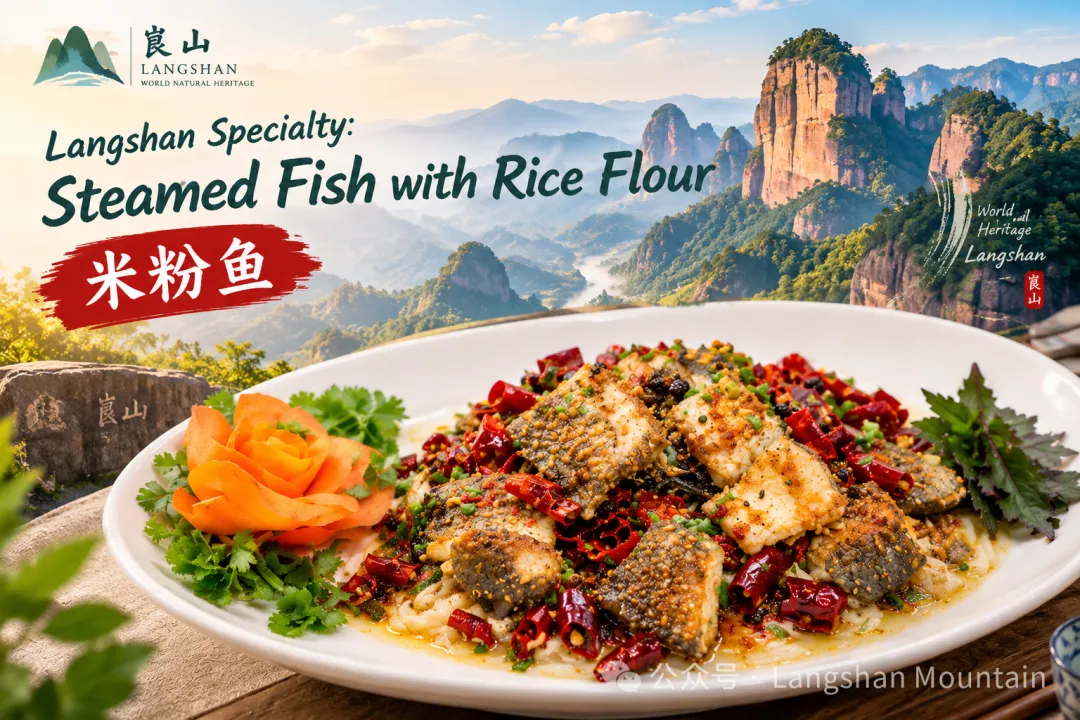
Langshan Specialty: Steamed Fish with Rice Flour

Langshan Specialty: Steamed Fish with Rice Flour

Traditional Preparation:

Grass carp or bighead carp is cut into chunks and marinated with salt, cooking wine, and ginger slices to remove any fishy odor. Coarse rice flour made locally in Xinning county are softened in warm water and spread across the bottom of a bowl. The marinated fish pieces are then arranged on top and seasoned with chopped chili peppers, fermented black beans, tea-seed oil, and minced garlic. The dish is steamed over high heat until the fish is cooked through and the rice flour have absorbed the fish’s natural juices and rich, savory flavors.

Flavor and Texture::

The fish is tender and succulent, while the rice flour are soft, slightly chewy, and full of flavor. The delicate taste of the fish blends beautifully with the fragrant rice flour, complemented by a spicy kick and the rich aroma of tea-seed oil. Steaming preserves the natural flavors of the ingredients, creating a satisfying yet light dish without excessive greasiness. This traditional Xinning specialty is a delicious choice for the whole family.

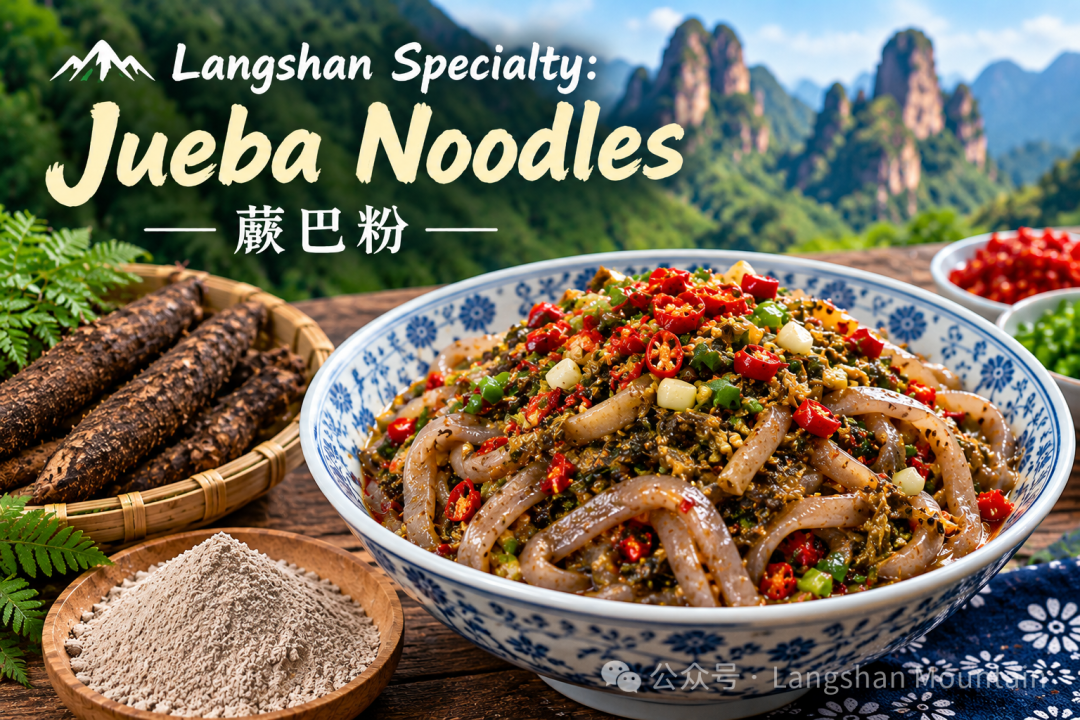
Langshan Specialty: Jueba Noodles(Wild Fern-Root Starch Noodles)

Langshan Specialty: Jueba Noodles(Wild Fern-Root Starch Noodles)

Traditional Preparation:

Wild fern roots are gathered from the deep mountains, thoroughly washed, pounded and crushed, then filtered to extract their starch. Once the starch has settled, it is mixed with water and cooked until thickened, then cooled to form Jueba(蕨粑), a traditional fern starch cake. The cake is sliced into thin strips and stir-fried with pickled vegetables and chili peppers, or cooked in a savory soup and tossed with seasonings before serving.

Flavor and Texture:

Dark, almost black in color, Jueba has a smooth, springy, pleasantly chewy texture and a distinctive earthy aroma from wild bracken roots. Traditionally enjoyed for its refreshing qualities, it is a beloved mountain delicacy from Xinning, known for its tangy, spicy flavor that whets the appetite and cuts through the richness of other dishes. Its unique taste and texture make it a memorable part of the local food culture.

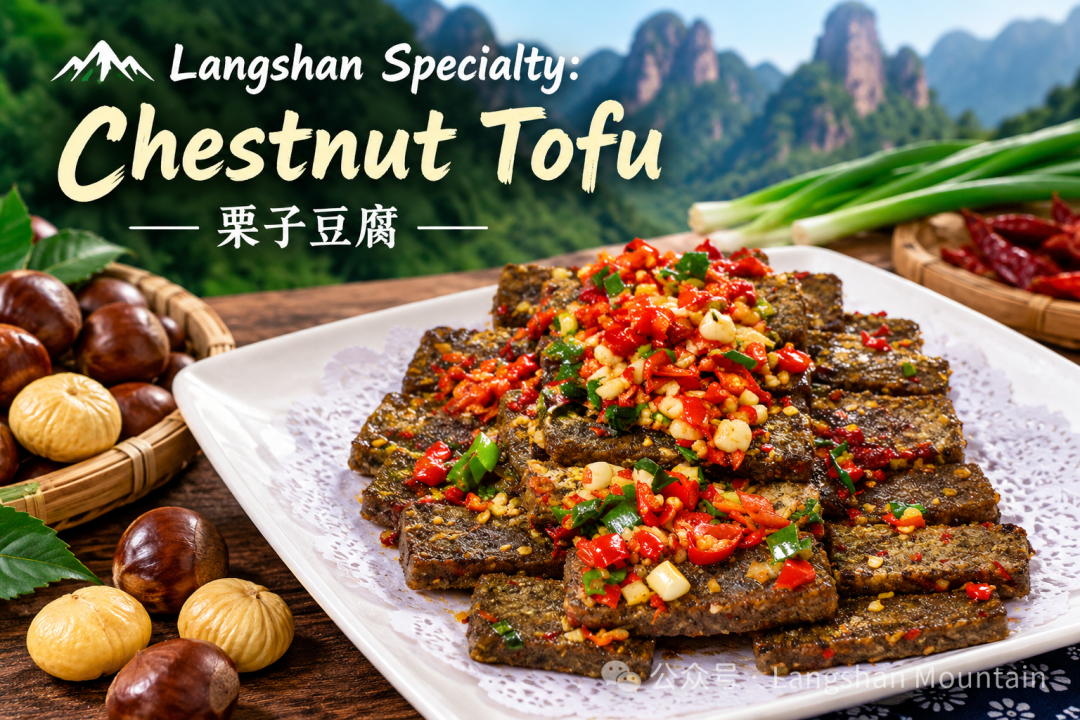
Chestnut Tofu:A Traditional Mountain Delicacy from Mount Langshan

Chestnut Tofu:A Traditional Mountain Delicacy from Mount Langshan

Chestnut Tofu: A Traditional Mountain Delicacy from Mount Langshan

Traditional Preparation:

Wild chestnuts are gathered from the mountains of Xinning county. After the shells and skins are removed, the chestnuts are ground into a fine powder. The powder is then mixed with wood ash water and mountain spring water in carefully measured proportions. The mixture is poured into a pot and simmered over low heat, with constant stirring until it thickens into a paste. It is then transferred to a container and left to cool and set into a tofu-like consistency.

Once set, the chestnut tofu is cut into small pieces. It is commonly stir-fried with dried chilies, garlic shoots, and smoked cured pork, or added to soups with fresh leafy greens.

Flavor and Texture:

Chestnut tofu has a pale grayish-brown color and a smooth, pleasantly chewy texture. It carries the delicate, nutty aroma of wild chestnuts, with a subtle bitterness at first that gives way to a naturally sweet aftertaste. Traditionally believed to help clear internal heat, this distinctive mountain ingredient is a rare local specialty unique to Xinning county, offering an unusual and memorable taste of the region’s culinary heritage.

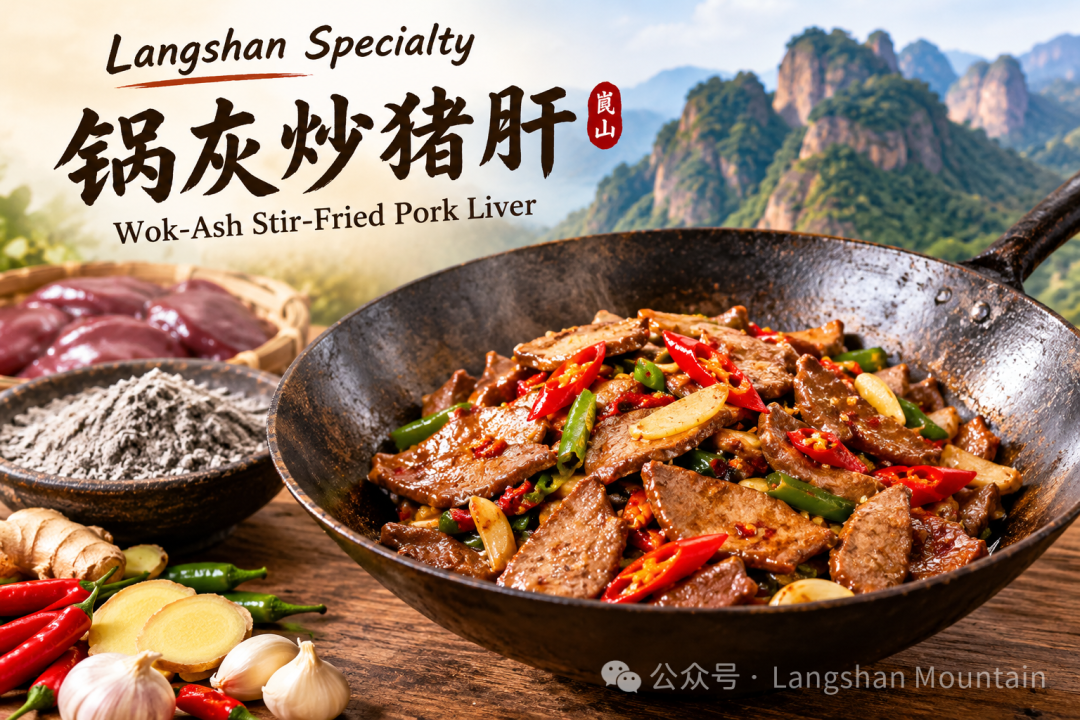
Langshan Specialty: Wok-Ash Stir-Fried Pork Liver

Traditional Preparation:

Collect the fine, natural wood ash from the bottom of a traditional wood-fired cooking stove. Slice the pork liver thinly and soak it in water to remove the blood. Rinse it with a small amount of wood ash to help eliminate its strong odor.

Heat an iron wok until piping hot, then add a generous amount of tea-seed oil and heat it over a high flame. Add the pork liver and stir-fry rapidly over high heat. Toss in pickled chili peppers, young ginger, and garlic, stirring quickly to combine the flavors. Precise heat control is essential throughout the cooking process. As soon as the liver changes color and is just cooked through, remove it from the wok to prevent it from becoming tough or overcooked.

Flavor and Characteristics:

The traditional use of wood ash helps remove the liver’s strong odor, while the quick, high-heat stir-frying preserves its tender, succulent texture. The finished dish is delightfully tender with a delicate bite, free from unpleasant gamey odors, and bursting with the savory aroma of tea-seed oil, the heat of pickled chilies, and the freshness of young ginger and garlic.

A distinctive local specialty of Xinning county, Hunan, this rustic country dish is celebrated for its bold, spicy flavor and exceptionally tender texture. Mastering it requires considerable skill, especially in controlling the heat to achieve the perfect balance of freshness, tenderness, and crispness.

Blood-Sauced Duck,a Traditional Dish from Langshan

Traditional Preparation:

Locally raised free-range speckled ducks from Xinning county are selected for this traditional dish, with the fresh duck blood carefully collected during slaughter. The duck meat is chopped into bite-sized pieces.

Using an iron wok without adding oil, the duck is dry-fried to render its natural fat until the skin turns lightly golden and the meat becomes firm. Sliced ginger, garlic, dried chilies, star anise, and cinnamon bark are added and stir-fried until fragrant. Locally fermented glutinous rice sauce and broad bean paste are then added and cooked until aromatic.

Fresh duck blood is poured into the wok, and everything is quickly stir-fried over high heat until evenly coated. The heat is then reduced, and the duck is simmered for 10 minutes until the sauce thickens. Little or no extra water is needed, allowing the rich, flavorful sauce to develop its full depth.

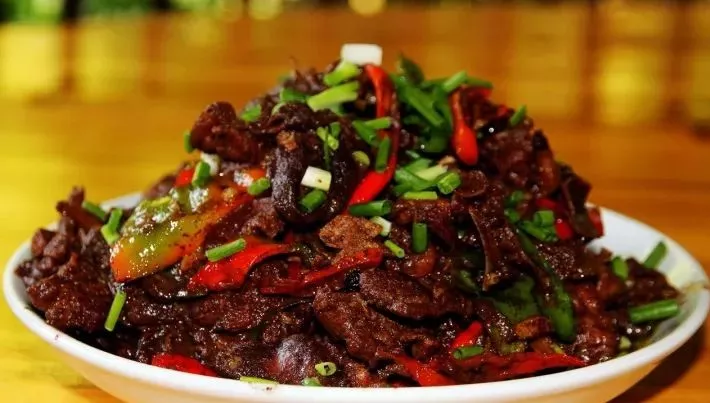
A plate of stir-fried beef with colorful bell peppers and green onions, showcasing a vibrant and appetizing dish.

Flavor Profile:

The dish features a glossy, deep reddish-brown sauce and tender, firm duck meat that is never tough or dry, with no unpleasant gamey smell. Its complex flavor balances saltiness, spiciness, tanginess, and subtle sweetness. The sauce is rich and savory, while the duck blood becomes silky, tender, and deeply infused with flavor, leaving a tangy, spicy finish with a hint of sweetness.

A signature dish at traditional banquets in Xinning, Blood-Sauced Duck is a beloved local specialty that pairs exceptionally well with steamed rice.

« Older Entries