Tag Archives: News

Wang Zijun: A Writer Whose Heart Never Left Mount Langshan

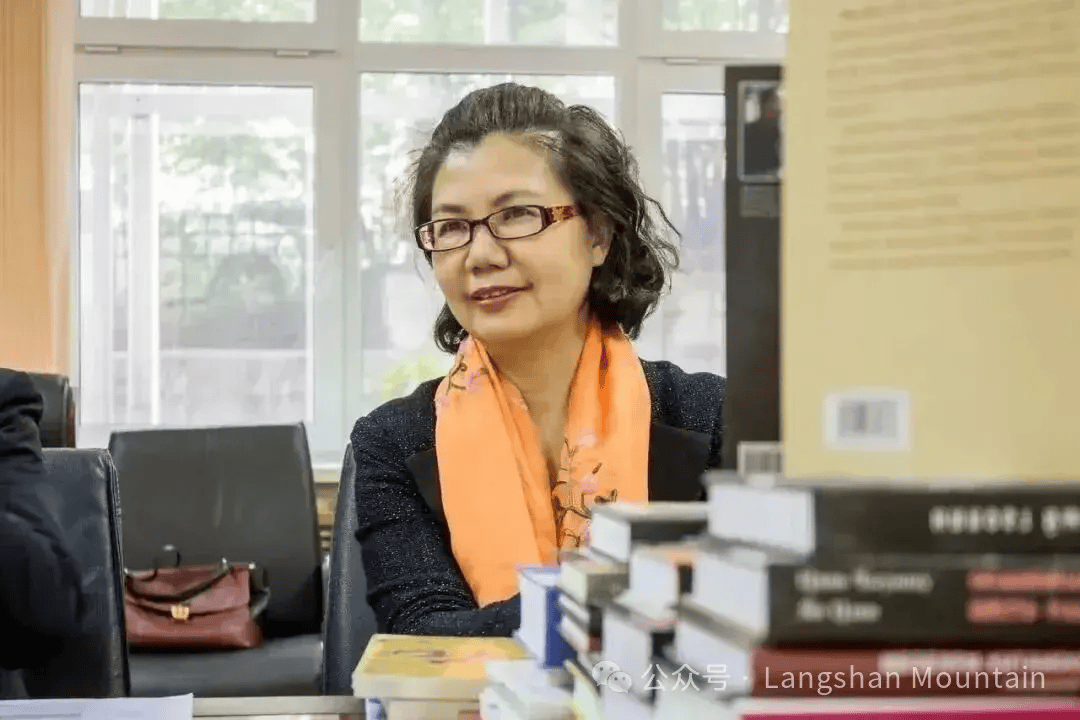
Wang Zijun: A Writer Whose Heart Never Left Mount Langshan
Woman wearing glasses and an orange scarf seated at a meeting table with books in the foreground

The water in Shuimiao Town seeps slowly from cracks in the mountains. A few narrow irrigation channels wind their way along the ridges of the rice fields. Ancient stone paths cling to the edges of cliffs, willow branches trail over the Xinzai River, and the roots of native trees twist their way through cracks in the rocks.

People here have grown accustomed to walking with their heads down. Not because they are afraid of stumbling, but because they do not want to disturb the centuries-old post road beneath their feet. Long ago, salt porters carrying heavy loads, merchants driving cattle, and scholars on their way to the imperial examinations in the capital all travelled these very stone paths.

The wind sweeps through the gorge, carrying the scents of wild grass and damp earth, with just a faint trace of salt in the air.

Wang Zijun was born beside these waters.

Her birth name is Wang Ye’ai, and she writes under the pen name Zi Jun (子莙). She is a daughter of Shuimiao Town who eventually made her way into the wider world.

As a child, she climbed Jinziling Ridge. Her teacher once pointed to the mountain and told the class, “That is the natural barrier Yuechengling has placed along the eastern edge of Xinning county.”

As a youngster, she could hardly grasp the weight of those words. All she knew was that the mountain was high and the clouds moved slowly.

Only after travelling far from home—to study at Shaoyang Normal School, pursue Chinese literature at Hainan Normal University, and later visit Peking University as a visiting scholar—did she gradually understand that those seemingly insignificant childhood impressions had been the first seeds of her literary imagination.

She began writing at an early age. Her first job was as a journalist in Lengshuijiang city, where she walked the streets, interviewed ordinary people, and recorded the joys and sorrows of everyday life.

Once, a group of writers from the Changsha city(Hunan provincial capital) came on a literary field trip. She wrote a short article about their visit, which was published in a newspaper. Someone praised her work for its natural flair.

But what was this so-called talent, really?

It was simply her ability to faithfully capture the rain in Shuimiao, her mother’s silhouette in the kitchen, and the boatman’s calls as he poled his way across the river.

Yet that simple compliment was enough to kindle a light within her.

Not long afterwards, she moved to Hainan provnice.

The sun over the South China Sea is far more intense than the sunlight of southwestern Hunan province. The coconut breeze carries the salty smell of the sea and the bustle of a rapidly changing world. Everywhere, people were heading south to seek their fortunes, bringing little more than worn-out luggage and old dreams from China’s inland provinces.

She joined the Haikou Evening News, where she edited the literary supplement Sunshine Island. During the day, she witnessed the joys and sorrows of ordinary people; at night, she turned to her own writing.

In 1993, her first collection of essays, Without Love (没有爱情), was about to be published. The celebrated writer Bing Xin, then 94 and confined to her sickbed, personally inscribed the book’s title for her.

Imagine that: a young woman from a small town called Shuimiao, whose very first book carried a title handwritten by one of China’s most revered literary figures.

It was the kind of story that would be talked about in her hometown for decades.

But Wang Zijun never looked back. She simply kept writing.

Hainan became her second home.

Following the publication of Without Love in 1993, she released one collection after another, including Listening to Stories (倾听诉说) and The Person I Love Is Sitting on the Rostrum (我爱的那个人坐在主席台上).

In 2001, her full-length novel White Sun (白太阳) was included in the prestigious “Bu Lao Hu” (布老虎, or “Cloth Tiger”) literary series. The novel portrays the entrepreneurial struggles and romantic entanglements of the generation who headed south to build new lives in Hainan provnice. It was later published in traditional Chinese characters in Hong Kong and included in a series of China’s best-selling novels alongside Wang Yuewen’s The National Painting (国画).

Only then did more readers begin to notice that this soft-spoken woman from Hunan province had a powerful voice on the page—a voice filled with both the sea breeze and an unmistakable inner strength.

Yet when you turn the pages of her essays, it is not her titles or achievements that stand out.

Instead, you encounter the way a person remembers the fireflies along the irrigation banks on a lonely night in a foreign land, or how, on a humid evening in Haikou, she finds herself longing for the rain that may or may not be falling in Shuimiao Town.
Chinese book cover titled "一个人的纸屋" with an orange panel, white bird illustration, and red vertical typography.

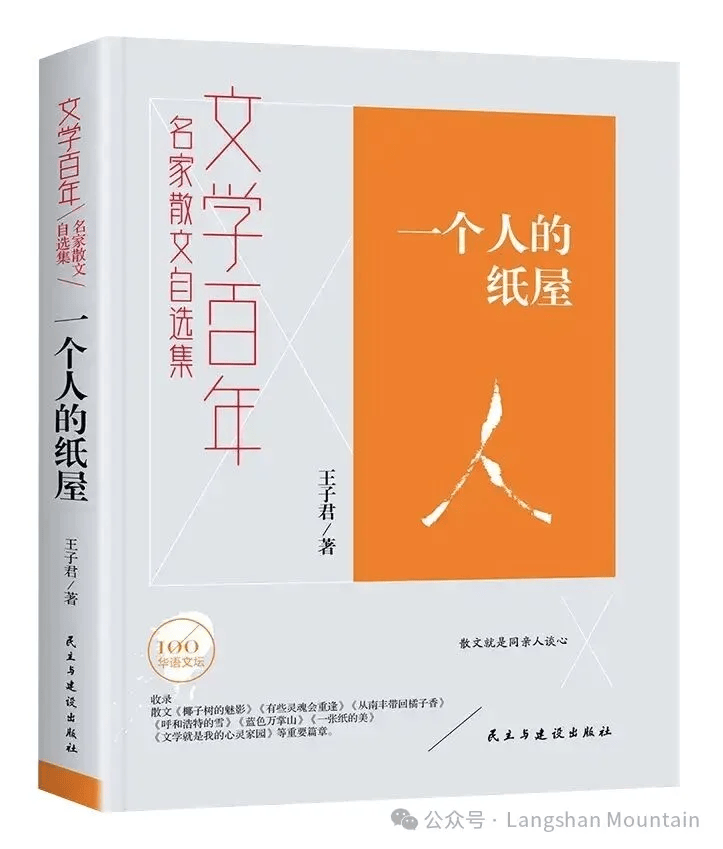
In The Paper House (纸屋), she writes about her mother and father, as well as the arrival of spring in Guang’anmen. Her collection One Person’s Paper House (一个人的纸屋) brings together 45 essays, taking readers from the shadows of coconut palms to the snowstorms of Hohhot, from the fragrance of citrus in Jiangnan(the South of the Yangtze River) to quiet mornings in foreign lands.

The places change, but the sincerity remains.

The book’s cover carries a line that captures her literary philosophy:

“An essay is like having a heart-to-heart conversation with one’s loved ones.”

It is something she truly believes in—and something she has always practised.

Recognition and awards followed one after another. Without Flowers (无花) won the Bing Xin Essay Award, while One Person’s Paper House received the Silk Road Essay Award. Her other honours include the Wang Zengqi Essay Award, the China Population Culture Award, and the Xu Xiake Tourism Literature Award.

When accepting awards, she rarely dwells on writing techniques. Instead, she likes to quote Lu Xun:

“Write with genuine feeling. Avoid embellishment, affectation and pretension.”

To her, these words capture not only the essence of good writing, but also the essence of being a decent human being.

But there is another side to Wang Zijun—a tougher, more resolute side.

In recent years, she has immersed herself in historical research and writing, focusing particularly on Huang Kecheng, a senior Chinese military and political figure.

Despite losing his eyesight, Huang served for seven years in the Central Commission for Discipline Inspection, taking a firm stand against misconduct and corruption. He personally established strict family rules and upheld truth and fairness through turbulent times.

Wang Zijun spent countless hours consulting archives and examining historical documents. Her research resulted in Huang Kecheng at the Central Commission for Discipline Inspection (黄克诚在中央纪委) and Stories of Huang Kecheng (黄克诚往事).

Through meticulous research and restrained prose, she brought to life the integrity and moral strength at the heart of this remarkable historical figure.

For a writer more accustomed to exploring family relationships, landscapes and personal memories, spending years immersed in demanding historical research was no easy undertaking.

It took more than intelligence. It required the stubborn determination that she had inherited from her hometown.

People in Xinning county often use the expression “bà mán” (霸蛮) to describe this local character. It does not mean being unreasonable or aggressive. Rather, it means being willing to endure hardship, stand firm in adversity, and refuse to give up in the face of difficulties.

She has also ventured into screenwriting.

Her work Mother’s Flower (母亲花) was adapted into a film. She went on to write scripts for Blue Rose (蓝玫瑰), The Great Biography of Laozi (老子大传) and The Great Way of Laozi (大道老子). She also served as literary coordinator for the television drama How Far Away Is Happiness? (幸福还有多远).

From essays on the printed page to stories told through moving images, the medium changed, but the essence of her work remained the same.

More than three decades have passed.

Her journey has taken her from Shuimiao town to Lengshuijiang city, from Haikou province to Beijing. Along the way, she has also lived in Shenzhen city and frequently returned to Xinning county.

In the summer of 2025, she brought her latest novel, Shengti (盛体), back to her hometown. The book explores the themes of bodily narratives and spiritual redemption.

At gatherings in Yijia Yi Library and Jincheng Academy, she sat down with more than 60 local writers and literary enthusiasts. She spoke to them without formality or pretension, sharing a simple but powerful message:

“Let there be light! In the presence of light, everything that conceals the truth loses its meaning.”

When a young reader asked how to become a better writer, she offered this advice:

“First, immerse yourself in life. Then dig deeper.”

Every inch of your hometown, she explained, contains stories waiting to be discovered. It is an inexhaustible treasure trove for anyone who knows how to look.

At Jincheng Academy, she was presented with a letter appointing her as an adviser. Accepting it, she said:

“Xinning is the root of my literary journey. Every time I return, I feel as though I am recharging my batteries.”

And those words ring true.

Look at the body of work she has created over the years.

In her early writing, there was water—mothers and daughters, rivers, fireflies and the shadows of coconut palms.

Then came the sea—ambition, love, wandering and the clarity that comes with experience.

Later came mountains and history: the unyielding integrity of Huang Kecheng, the search for light in Shengti, and the quiet majesty of Mount Langshan’s Danxia peaks beneath drifting clouds.

Yet beneath all these changing landscapes and themes lies the same source: the water flowing through the irrigation channels of Shuimiao Town.

It winds through nine bends, past ancient stone paths and old willows, gently carrying with it the footprints left by travellers along the ancient salt road, the sweat of the porters, and the warmth of the fire in her mother’s kitchen.

And it keeps flowing forward.

Today, she lives in Beijing but still returns to Xinning county whenever she can.

She comes back to see the children at Jincheng Academy practising their calligraphy, to watch clouds settle over the Danxia peaks of Mount Langshan, and to see bamboo rafts glide along the Fuyi River, leaving long trails across the water.

Sometimes, she takes a quiet walk along Wulizhen. The stone slabs are cool beneath her feet, and willow branches brush against the back of her hand, just as they did when she was a child.

People sometimes ask her what the secret to writing is.

She simply smiles and says:

“Write down what is true. Don’t be in a hurry to make it beautiful.”

On a night in Shuimiao town, if you happen to pass by and hear the gentle murmur of the irrigation channels, or catch a glimpse of a warm yellow light glowing through the paper windows of a distant home, you may be witnessing the very path along which her words have travelled back home.

She has journeyed a long way, but the tip of her pen has always pointed towards her hometown.

Water flows down from the mountains. People find their way home through the written word.

As long as the light remains, the warmth of her words will never fade.

Moral Role Models Share Inspiring Stories in Xinning County

Moral Role Models Share Inspiring Stories in Xinning County

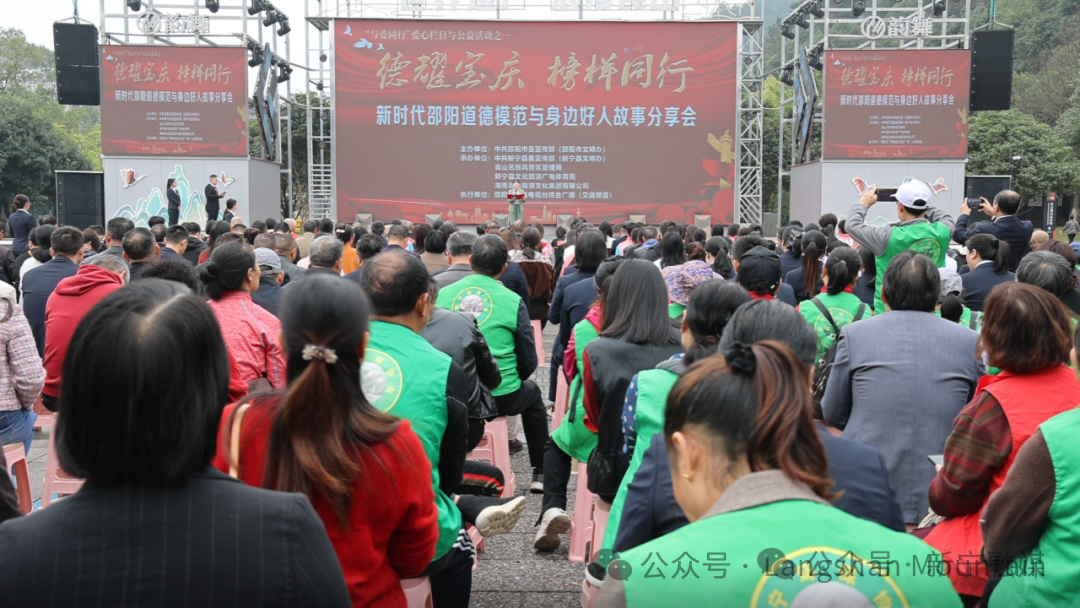
On October 29, the event “Virtue Shines in Baoqing, Role Models Inspire Us” brought inspiring stories of moral role models and everyday heroes to Xinning County, Shaoyang City, Hunan Province. Through heartfelt personal accounts, the event aimed to inspire people with exemplary deeds, spread kindness and compassion, and foster a stronger community spirit rooted in virtue, integrity, and goodwill.
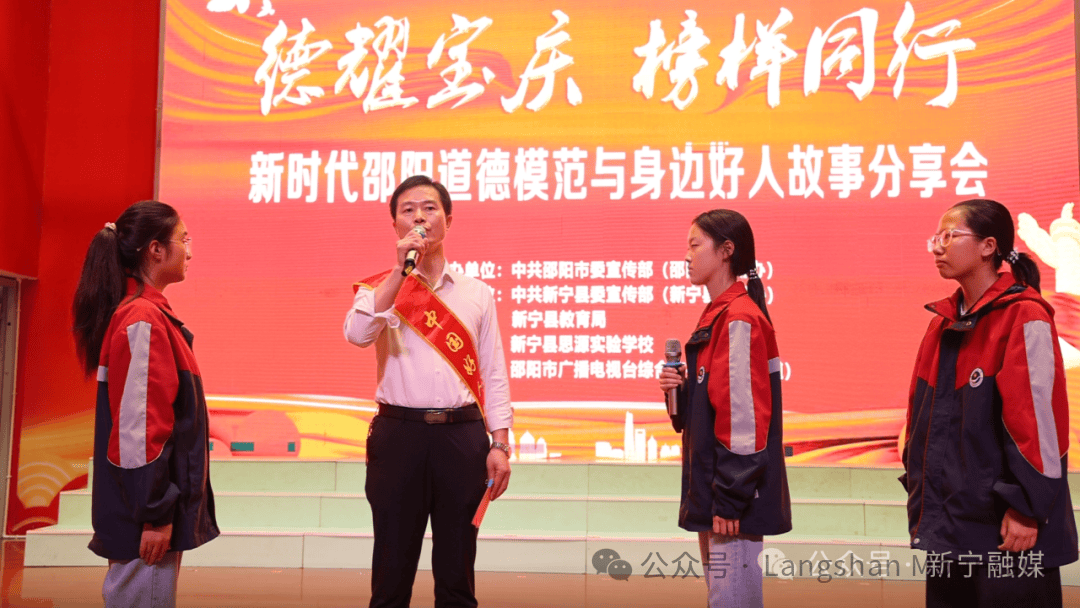
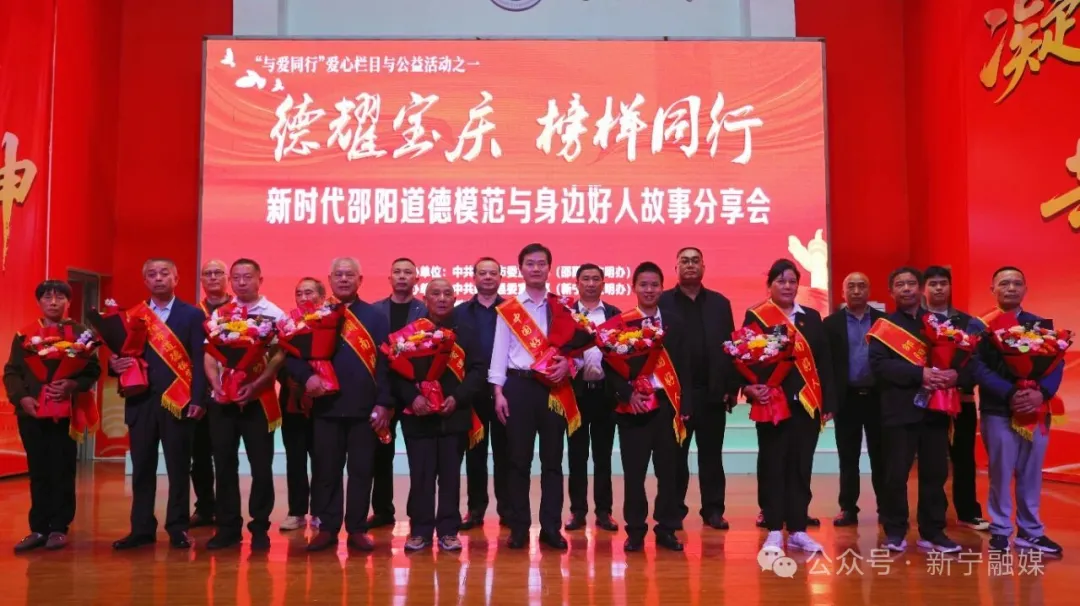
The event was held at three venues:  the North Gate Square of Mount Langshan, the New Era Civilization Practice Station in Ningshow Community, and Siyuan Experimental School. Five distinguished role models were invited to share their experiences: China’s Good Samaritans Hou Changliang, Liu Feng, and Chen Jianjun; Hunan Moral Model Liu Weibing; and Hunan Good Samaritan Long Yanzhou.

Drawing on their own life experiences, the speakers shared moving stories of dedication to rural education, safeguarding scenic areas, providing medical care in rural communities, protecting forests and the environment, and helping fellow villagers achieve prosperity. Their accounts of serving local communities with commitment and selflessness offered audiences a powerful lesson in moral values and civic responsibility.

Liu Weibing, a Hunan Moral Model, said that protecting the region’s natural beauty and ecological environment was his lifelong mission. “By doing ordinary things well, day after day, anyone can become a role model in their community,” he said. He pledged to continue protecting the forests and inspiring more people to join efforts to conserve the environment and serve local communities.

Following the presentations, an interactive session gave audience members the opportunity to ask questions, share their reflections, and engage in face-to-face conversations with the role models. The lively exchanges and frequent applause reflected the audience’s enthusiasm and admiration.

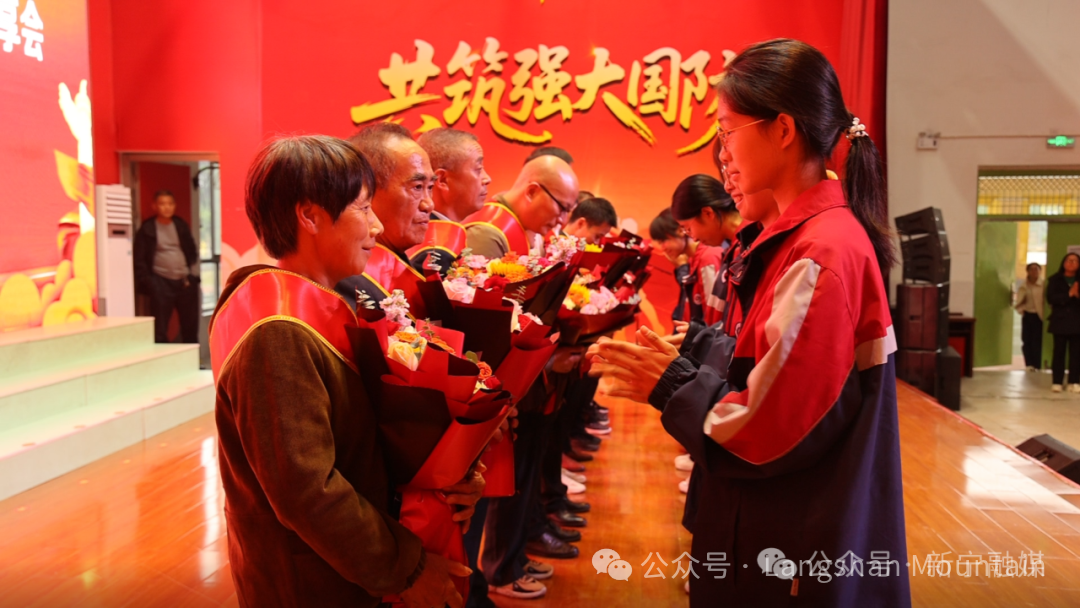
Student representatives then presented flowers to the role models. All attendees joined in reciting the Good Samaritan Initiative and singing Good People Are Right Here Among Us. The uplifting melody brought the event to a moving climax, spreading warmth, positive energy, and inspiration throughout the community.

Through these inspiring stories and personal encounters, the event encouraged residents to learn from exemplary individuals, practice kindness in everyday life, and contribute to a more caring and harmonious society.

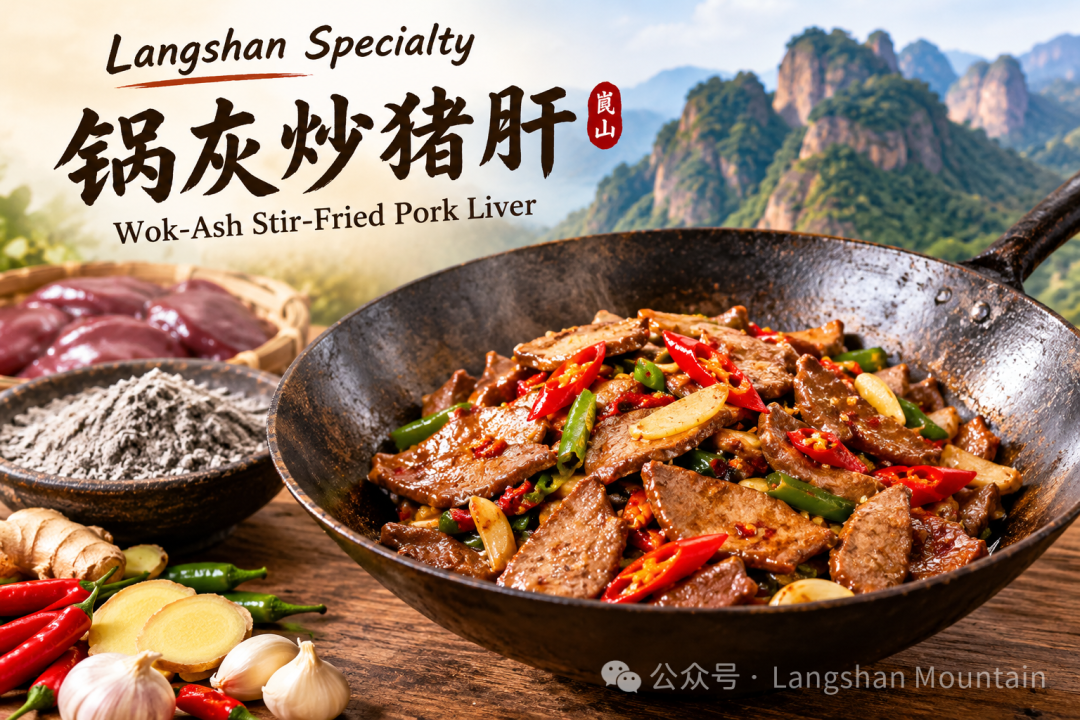
Langshan Specialty: Wok-Ash Stir-Fried Pork Liver

Traditional Preparation:

Collect the fine, natural wood ash from the bottom of a traditional wood-fired cooking stove. Slice the pork liver thinly and soak it in water to remove the blood. Rinse it with a small amount of wood ash to help eliminate its strong odor.

Heat an iron wok until piping hot, then add a generous amount of tea-seed oil and heat it over a high flame. Add the pork liver and stir-fry rapidly over high heat. Toss in pickled chili peppers, young ginger, and garlic, stirring quickly to combine the flavors. Precise heat control is essential throughout the cooking process. As soon as the liver changes color and is just cooked through, remove it from the wok to prevent it from becoming tough or overcooked.

Flavor and Characteristics:

The traditional use of wood ash helps remove the liver’s strong odor, while the quick, high-heat stir-frying preserves its tender, succulent texture. The finished dish is delightfully tender with a delicate bite, free from unpleasant gamey odors, and bursting with the savory aroma of tea-seed oil, the heat of pickled chilies, and the freshness of young ginger and garlic.

A distinctive local specialty of Xinning county, Hunan, this rustic country dish is celebrated for its bold, spicy flavor and exceptionally tender texture. Mastering it requires considerable skill, especially in controlling the heat to achieve the perfect balance of freshness, tenderness, and crispness.

Shaoyang Glove Puppetry: A Traditional Art Performed by One Person

“Pear Garden artists never cease their craft;
With a load of puppets, they wander wide and far.
Once the Double Ninth winds and rains have passed,
Villages stage operas to celebrate autumn’s harvest.”

During the Jiaqing reign of the Qing Dynasty, Deng Dayou, a renowned poet from Shaoyang, depicted the performances of local glove-puppet artists in these lines from his poem Bamboo Branch Lyrics.

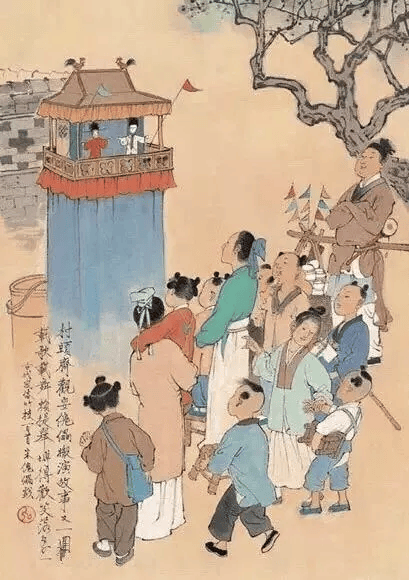
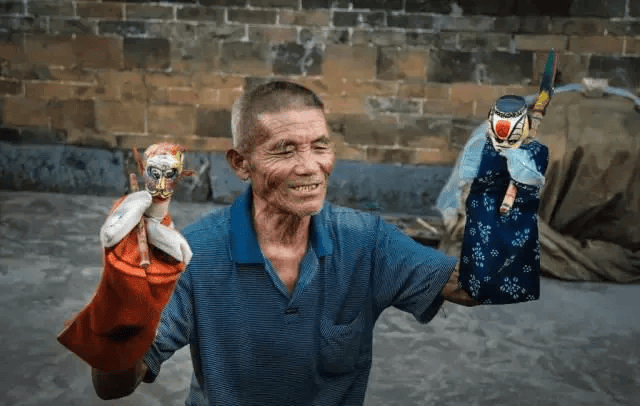
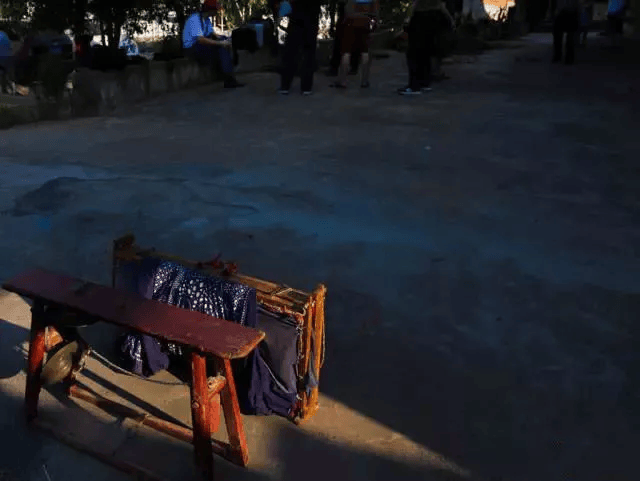
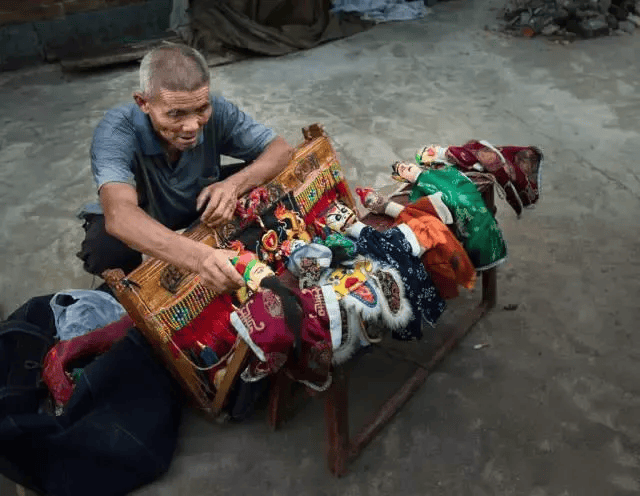
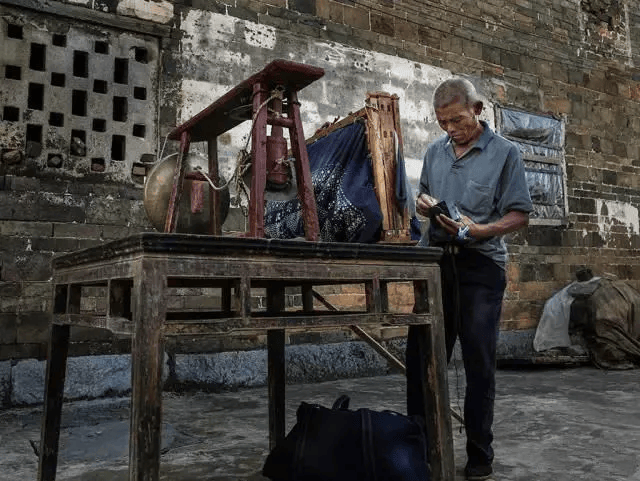
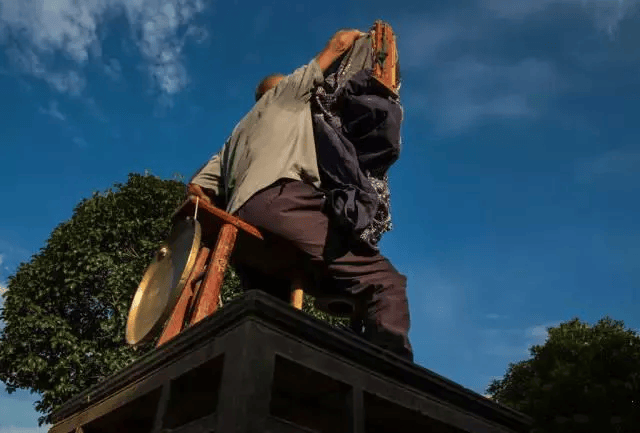
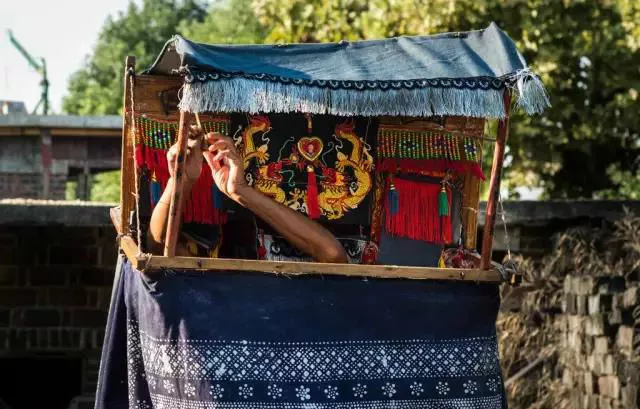
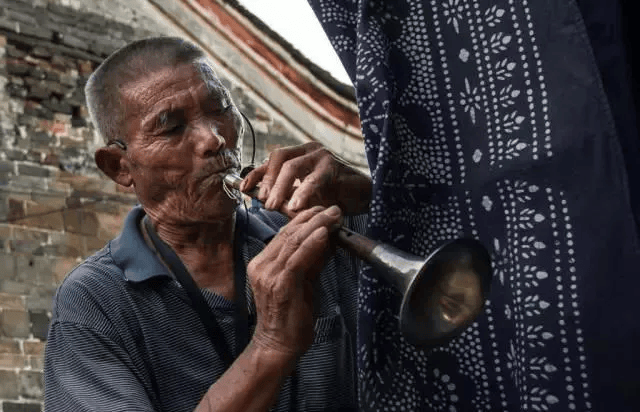
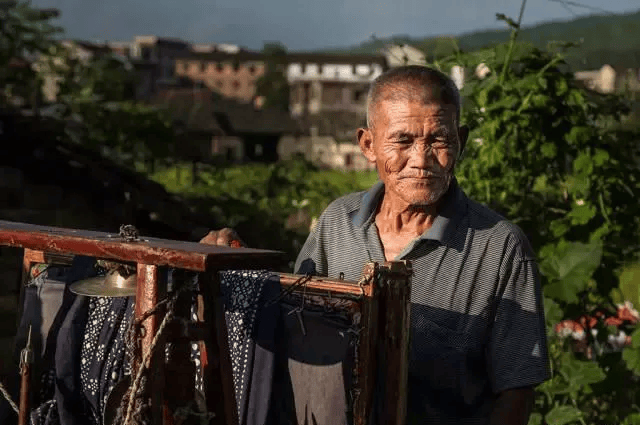
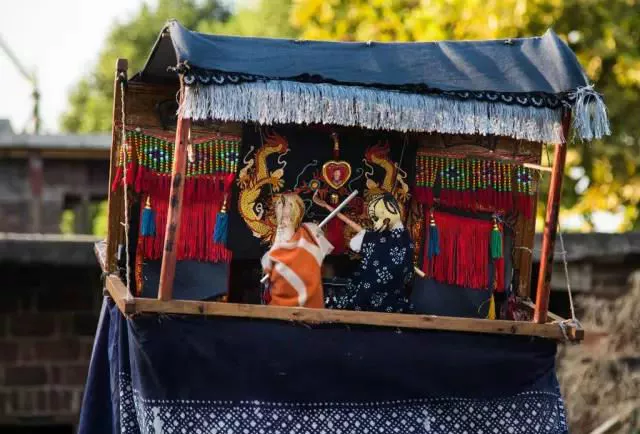
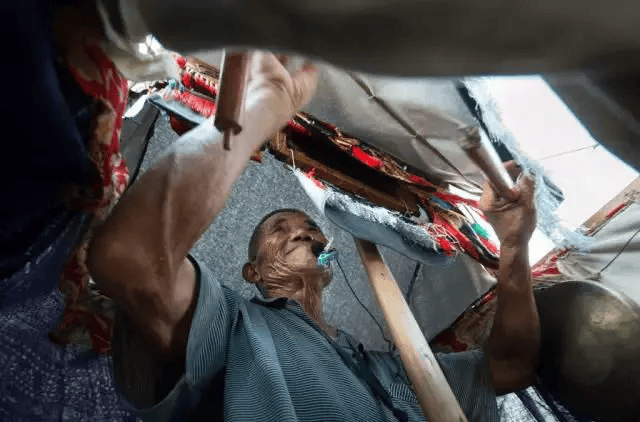
The distinctive feature of glove puppetry is that one performer puts on an entire show alone, combining wind and string instruments, percussion, singing, and acting. Each artist carries a complete performance setup on a shoulder pole. Whether performing grand or small productions, civil or martial dramas, or portraying the traditional roles of sheng (male characters), dan (female characters), jing (painted-face characters), mo (supporting male roles), and chou (comic characters), the performer relies on the coordinated movements of the hands, feet, mouth, and tongue. With nimble fingers and remarkable dexterity, a single artist can bring an entire theatrical world to life, developing a distinctive artistic style.

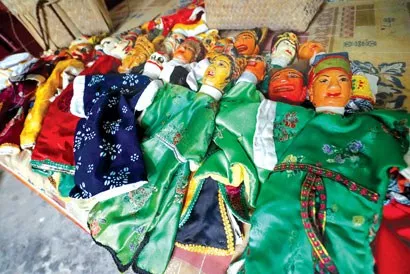
Glove puppetry is both a precursor to and a part of China’s rich theatrical tradition. Its roots can be traced to ancient Chinese puppet theatre, which dates back to the Spring and Autumn and Warring States periods. Later, folk performers carved figures representing different theatrical roles, including male, female, comic, and painted-face characters. Drawing inspiration from everyday life, they created stories and adapted them into performances to earn a living.

Glove puppetry is also known as “quilt theatre,” “shoulder-pole theatre,” and “finger puppet theatre.” The name “glove puppetry” comes from its distinctive performance method: an artist manipulates puppets and plays musical instruments inside a cloth enclosure approximately four chi high and about 2.4 chi in both length and width. The term “quilt theatre” refers to the makeshift stage, formed by draping a piece of blue-printed cotton quilt fabric around the performance area to create a pouch-like enclosure.

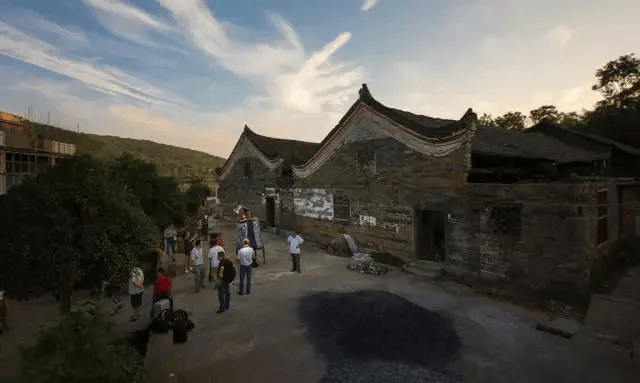
About 15 kilometres south of Shaoyang City, in a small village called Yanwoling in Shaoyang County, more than a hundred households share the surname Liu. For generations, they have preserved the ancient art of glove puppetry, which local tradition traces back to 1633, the sixth year of the Chongzhen reign of the Ming Dynasty.

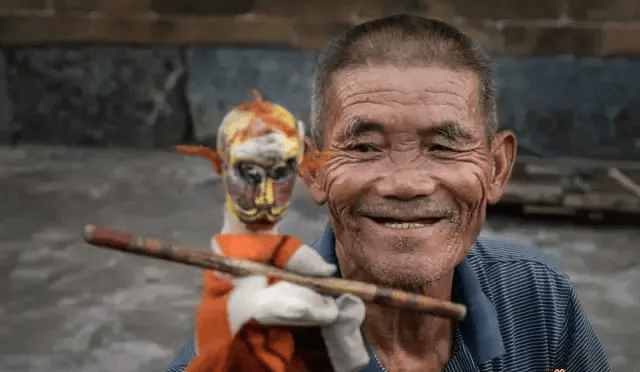
Liu Yongzhang, a veteran performer, is the 18th-generation inheritor of Shaoyang glove puppetry and one of the designated inheritors of this nationally recognised intangible cultural heritage.

According to the Liu family genealogy, during the late Yuan and early Ming dynasties, the family’s ancestors fled warfare by carrying a glove-puppetry performance set on a shoulder pole. Accompanied by their wives and children, they travelled from Ji’an in Jiangxi Province to the remote, densely forested village of Yanwoling, where they eventually settled.

With simple equipment and humorous, entertaining performances, glove puppetry quickly won the affection of local audiences and provided a relatively good livelihood. The Liu family came to depend on this art for generations and established a family rule: the secret of “one person performing an entire play” must be passed down from one generation to the next. According to family tradition, this legacy has continued for more than 600 years.

At its peak, Yanwoling had more than 110 glove-puppetry performance sets travelling across China, from Yunnan and Guizhou to Hunguang—the historical region covering much of present-day Hunan and Hubei—and as far as Zhejiang.

During the agricultural off-season each year, Liu family members, young and old, men and women alike, would shoulder their performance equipment and travel far from home to earn a living through their art. Glove puppetry became their principal source of income.

Liu Yong’an recalls that he began travelling with his father to perform at the age of 15, after graduating from junior middle school. Every year, they set out after the Double Ninth Festival and did not return home until after the Qingming Festival the following spring. Throughout the farming off-season, he helped his father carry the performance equipment from village to village, performing wherever they went.

A table and a small portable loudspeaker were all they needed to set up a stage.

Year after year, day after day, Liu Yong’an followed his father on the road, performing across six provinces: Hunan, Guizhou, Guangxi, Guangdong, Jiangxi, and Zhejiang.

Remaining faithful to his roots, Liu Yong’an has continued to encourage younger generations to preserve the tradition. Even today, performers still travel from village to village with their equipment carried on a single shoulder pole, bringing live performances to local residents. Over time, they have won a loyal following, and Shaoyang glove puppetry has become increasingly well known throughout Shaoyang County.

The stage is enclosed by a piece of blue-printed quilt fabric. The gongs and drums resound, and the singing begins. Scenes of warfare unfold, with armies clashing and horses thundering across imaginary battlefields. Remarkably, all this excitement and drama emerges from the nimble fingers of a single performer.

The traditional repertoire includes Fengshen Bang(The Investiture of the Gods), Romance of the Three Kingdoms, Journey to the West, and Yang Xiao Fights the Tiger. Martial arts dramas, supernatural tales, and comedies are especially popular. The music is based primarily on Qiju Opera singing, with a fresh, rustic, and unpretentious character that gives the art form its own distinctive style.

Since 2003, the Shaoyang municipal government has allocated special funds to rescue and preserve glove puppetry and support its inheritors. A production team from China Central Television’s opera channel also travelled to Shaoyang to make a documentary showcasing this unique theatrical tradition.

In May 2006, Shaoyang glove puppetry was included in the first batch of China’s national-level intangible cultural heritage list, announced by the State Council of the People’s Republic of China. Since then, increasing numbers of people have come to appreciate this distinctive folk art, a living expression of Shaoyang’s local culture and enduring traditions.

Feishuizhai Waterfall: A Top Autumn Hiking Attraction

Top 8 Hiking Trails in Mount Langshan: Explore Its Stunning Diverse Natural Scenery

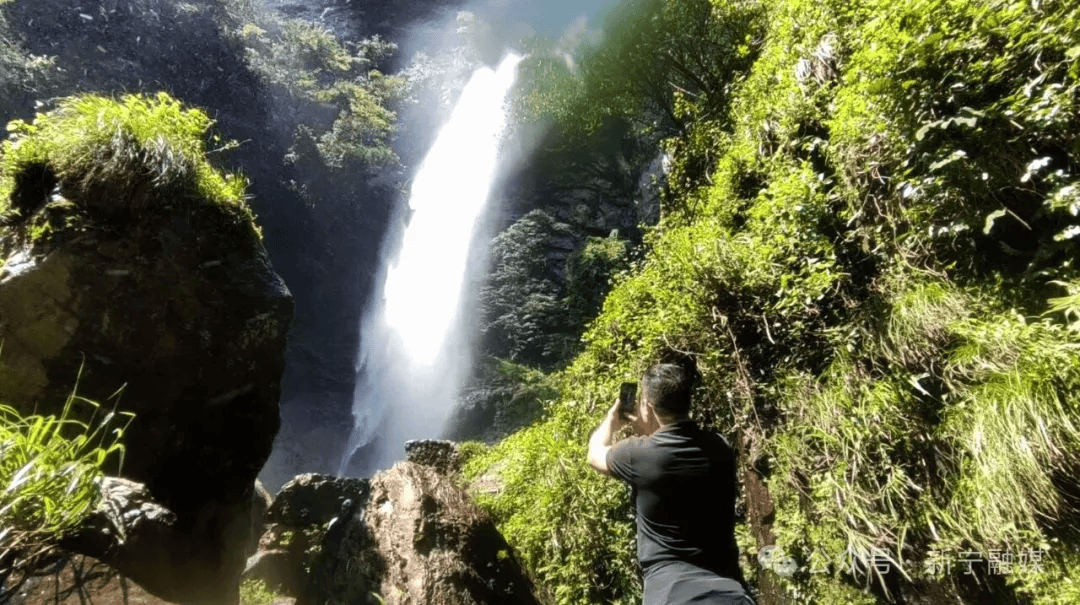
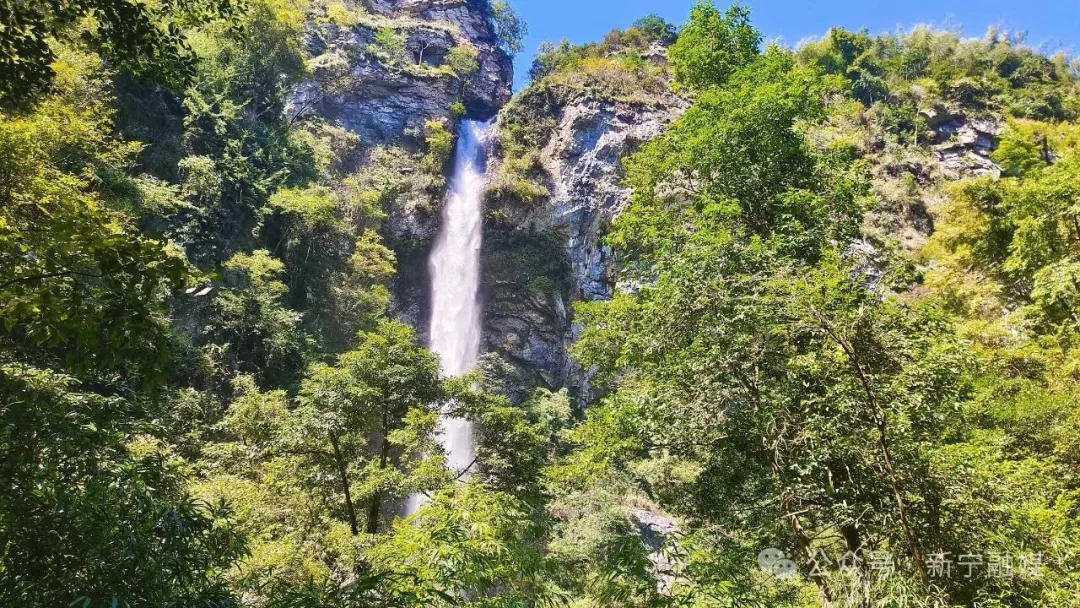
The autumn air is crisp under the bright sun. In recent days, numerous tourists and outdoor enthusiasts have flocked to Anyang Village of Yidushui Town in Xingning county to visit Feishuizhai Waterfall hidden amid the Yuechengling Range and experience the unique charm of this primitive waterfall up close.

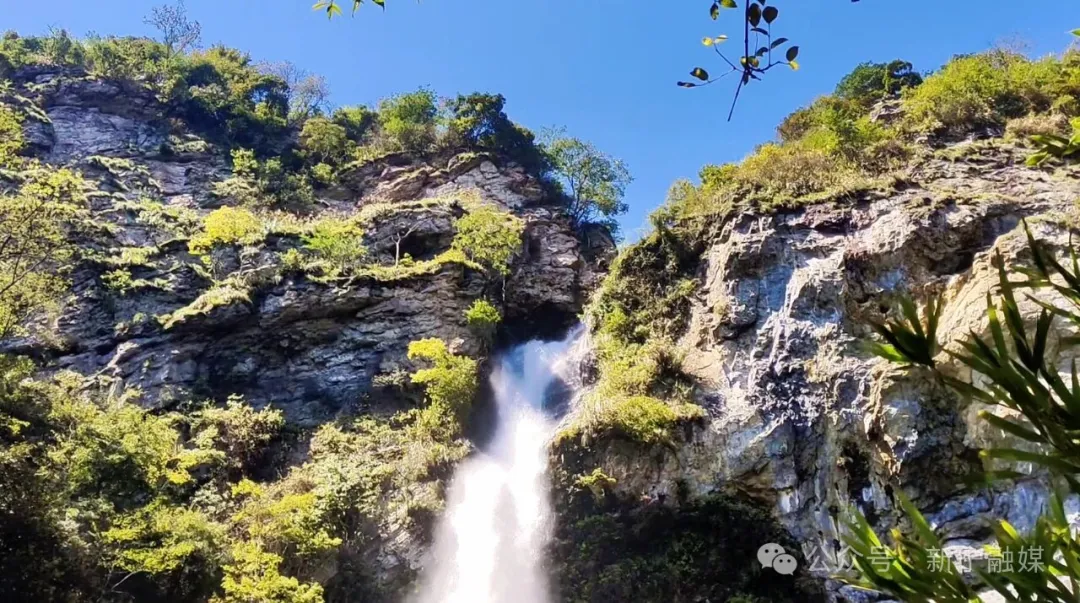
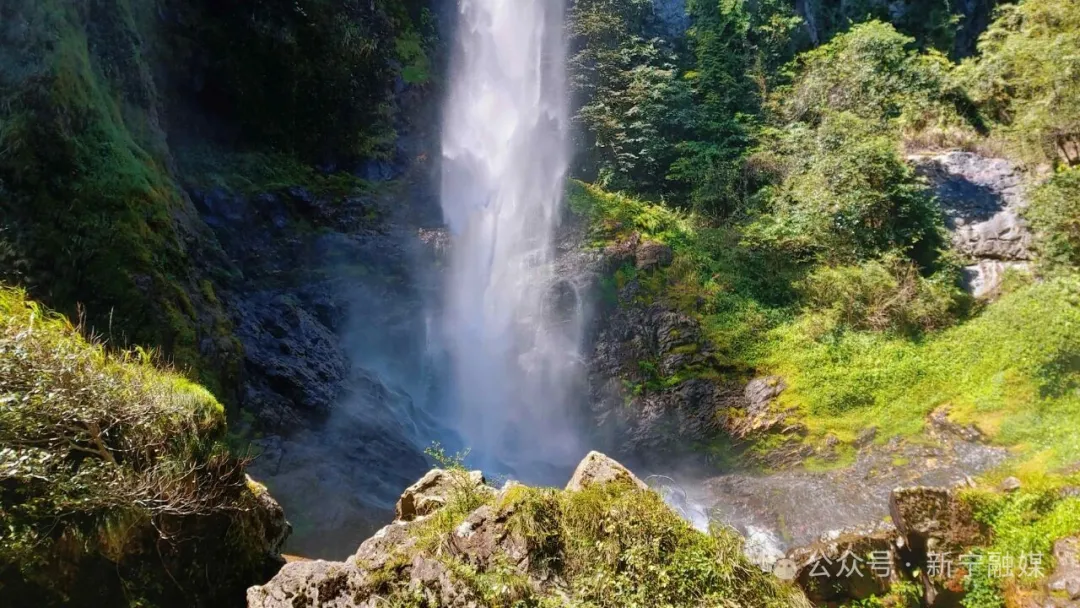
Boasting a drop of 108 meters, Feishuizhai Waterfall plunges dramatically from a towering cliff, cascading down in two stages into a deep pool below. Its thunderous roar echoes through the valley as clouds of mist rise into the air. The silvery-white torrent resembles an enormous ribbon of silk draped across the rugged cliff face, creating a truly magnificent spectacle.

As sunlight filters through the valley and illuminates the pool below, the cascading water transforms into a striking blue ribbon at the base of the falls. Rainbows often appear in the drifting mist, creating a dreamlike scene where sunlight, water, and mist blend in perfect harmony. This enchanting interplay of colors and natural elements gives Feishuizhai Waterfall its distinctive beauty and breathtaking grandeur.

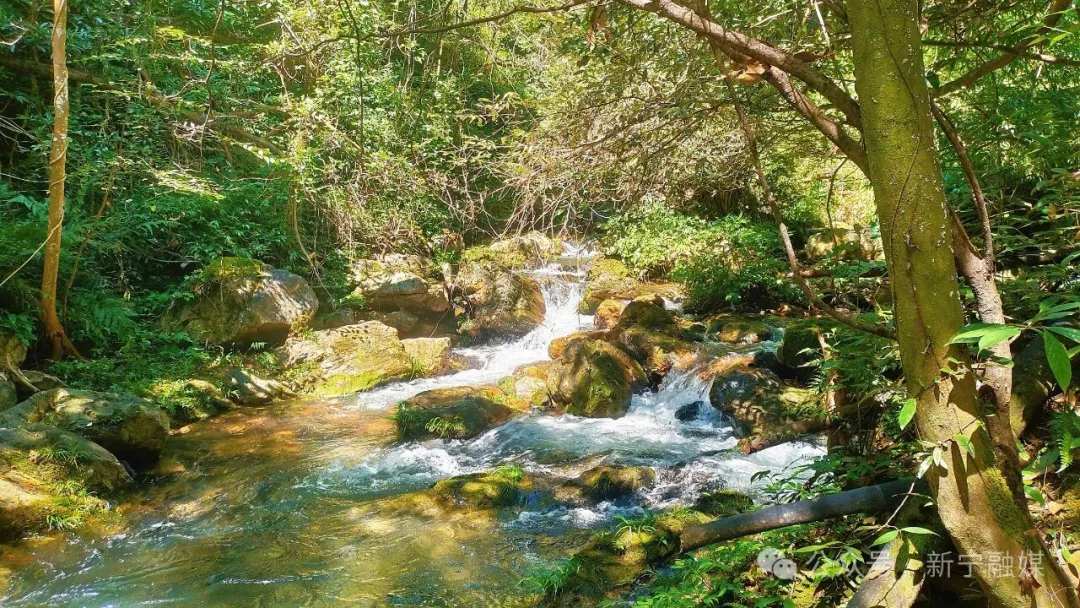
The surrounding landscape remains lush and unspoiled, with dense woodland, gently flowing streams, vibrant greenery, birdsong, and fragrant wildflowers. Largely untouched by artificial development, the area retains its original natural character. Cool mountain breezes carry the refreshing moisture of the waterfall, offering visitors a wonderfully invigorating escape into nature.

Langshan Fangsheng Pavilion: China’s Only Ancient Pavilion Named after the Life-Releasing Culture

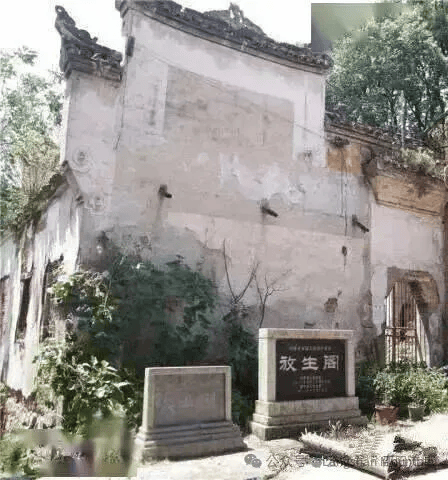
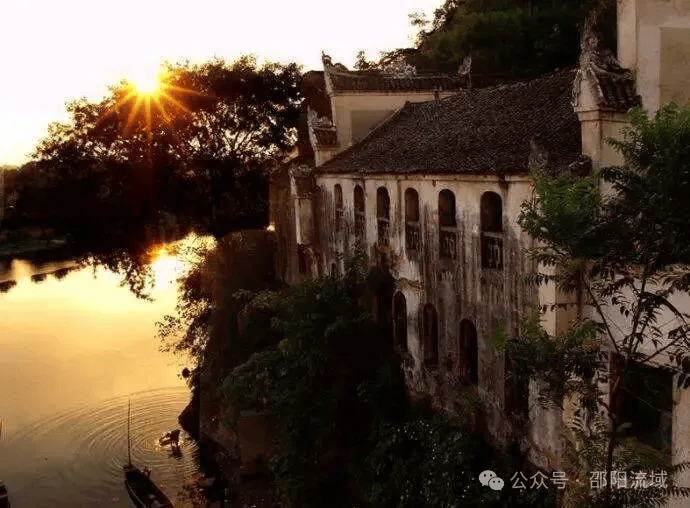
In Xinning County, Shaoyang, Hunan Province, the Fuyi River takes a bend. Where the eddies gather, red Danxia stone cliffs rise abruptly. Perched precariously atop the cliff is an ancient pavilion with upturned flying eaves, overlooking a deep pool. This is Fangsheng Pavilion, the only ancient pavilion nationwide named after the culture of releasing living creatures.

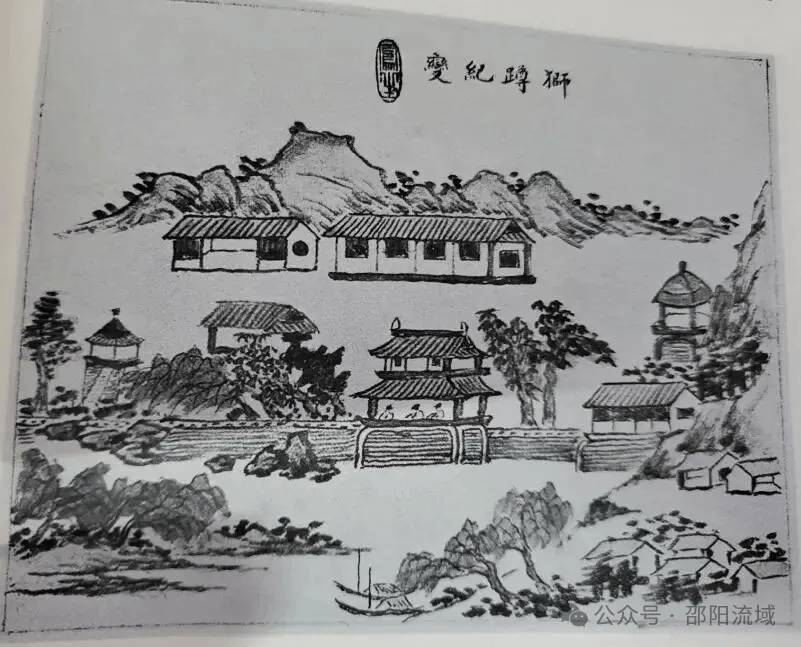
Fangsheng Pavilion originated as Shidun Pavilion, built in the 25th year of the Shaoxing reign of the Southern Song Dynasty (1155). It got its name because the mountain resembled a squatting lion. During reconstruction in the Ming Dynasty, craftsmen unearthed an ancient stele from the foundation, inscribed with two regular-script characters: “Fangsheng (Releasing Living Creatures)”. No one knew when or by whom the stele was erected, yet the compassion and benevolence embodied in those two characters touched local gentry and townsfolk. Shidun Pavilion was thus renamed Fangsheng Pavilion. It is unparalleled across the country for an ancient tower renamed because of an old stele and named after the moral philosophy of “releasing lives”.

Long before it bore the name Fangsheng, the great master of Neo-Confucianism Zhou Dunyi of the Northern Song Dynasty visited this place in the 4th year of the Zhiping reign (1067). He boated on the deep pool beneath the pavilion and scattered lotus flowers into the water. The pool has since been known as Lotus Pool. He also carved four characters “Eternal Embankment” on the steep cliff — referring not only to the stone wall like a dyke, but also as a metaphor that the moral bulwark must never crumble. Even before Fangsheng Pavilion acquired its name, it already embodied the spiritual stature of Neo-Confucianism.

Six hundred years later, Fang Yizhi, a survivor of the fallen Ming Dynasty and a scholar as renowned as Gu Yanwu, climbed to this site. Having become a monk after the Ming’s collapse, he gazed upon Lotus Pool and wrote the line: “Let the cold pool remain to mirror my heart.” He used the pool water to reflect his unyielding integrity as a loyalist of the former dynasty.

One pioneered Neo-Confucian thought; the other upheld unwavering loyalty. That two towering thinkers left their marks at the same pavilion is exceedingly rare among China’s ancient buildings.

During the Shunzhi reign of the Qing Dynasty, County Magistrate Wang Wei built a Guanyin Pavilion beside it, and issued an official ban on fishing in Lotus Pool under the cliff. This marked the first time the philosophy of “releasing lives” was enforced through government decree. In the centuries that followed, Fangsheng Pavilion was destroyed and rebuilt repeatedly: burned down in warfare in the 9th year of the Xianfeng reign, restored successively in the 6th year of the Tongzhi reign and the 5th year of the Guangxu reign. Generations of Xinning residents took turns to safeguard it.

On October 10, 1949, this ancient pavilion of compassion witnessed a historic turning point. Xu Junhu, then county magistrate, announced the peaceful uprising of Xinning here, bringing an end to the old era.

In 2011, Fangsheng Pavilion was designated a Major Historical and Cultural Site Protected at the Hunan Provincial Level. The existing structure dates back to the reconstruction in the 5th year of the Guangxu reign (1879). Covering an area of 896 square meters, it is a brick-and-timber building with simple and elegant fire-separating gables, blending Chinese and Western architectural styles. In 2019, local authorities allocated a special fund of 3 million yuan to restore it to its original appearance. Today, besides being a provincial heritage site, it also serves as a base for Party history study and patriotic education. The scenic views “Twilight View at Fangsheng Pavilion” and “Moon over Lotus Pool” remain famous attractions of Xinning.

Fangsheng Pavilion in Xinning is unique in at least three aspects. First, its name: it is the sole ancient pavilion in China bearing the name of life-releasing culture. Second, its integrated culture: it combines the Buddhist tenet of protecting lives, Confucian benevolent governance, and Neo-Confucian cultivation of the inner mind. Third, its historical heritage: across six hundred years, Zhou Dunyi and Fang Yizhi carried out a spiritual dialogue here, and the pavilion also witnessed the peaceful uprising of 1949.

From Shidun Pavilion of the Southern Song Dynasty to today’s provincial heritage site, from the inscription “Eternal Embankment” to the verse “the cold pool mirrors my heart”,over nearly a thousand years, Fangsheng Pavilion has forged a one-of-a-kind lineage of culture and spirit.

It is a singular treasure nationwide and a cultural pride of Shaoyang. The Fuyi River flows on, the Danxia cliffs endure, and Fangsheng Pavilion still stands by the Fuyi river. With the noble aspiration of “releasing lives”, it reflects upon the past and shines toward the future.

Romantic Sunrise Concert on the top of Mount Langshan

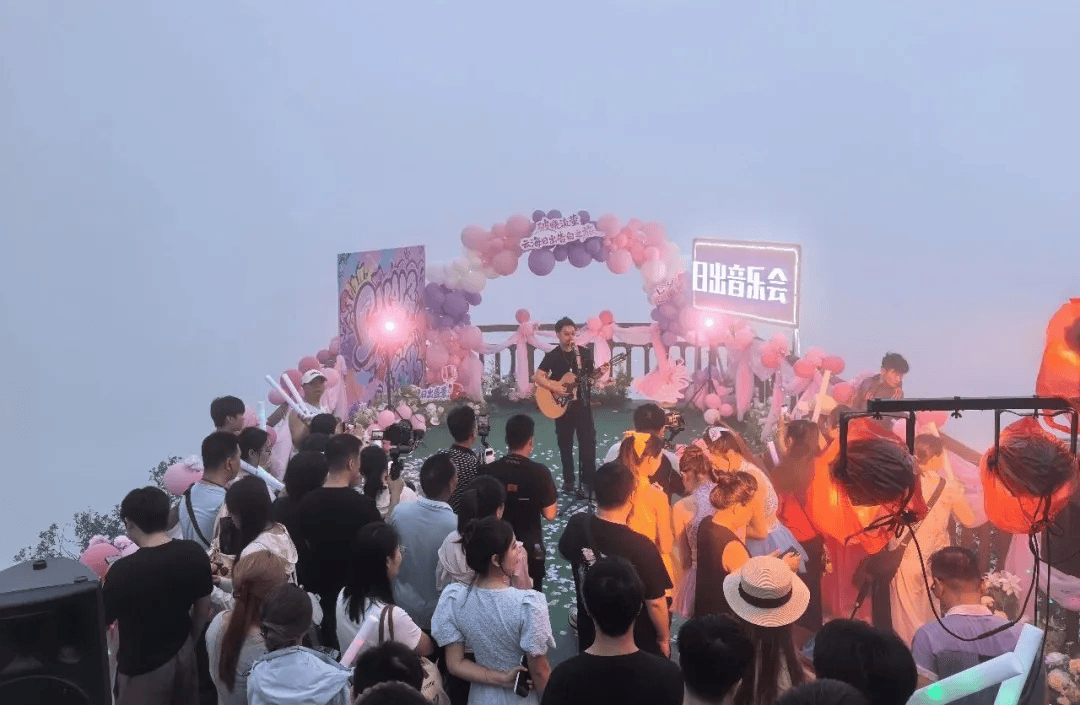
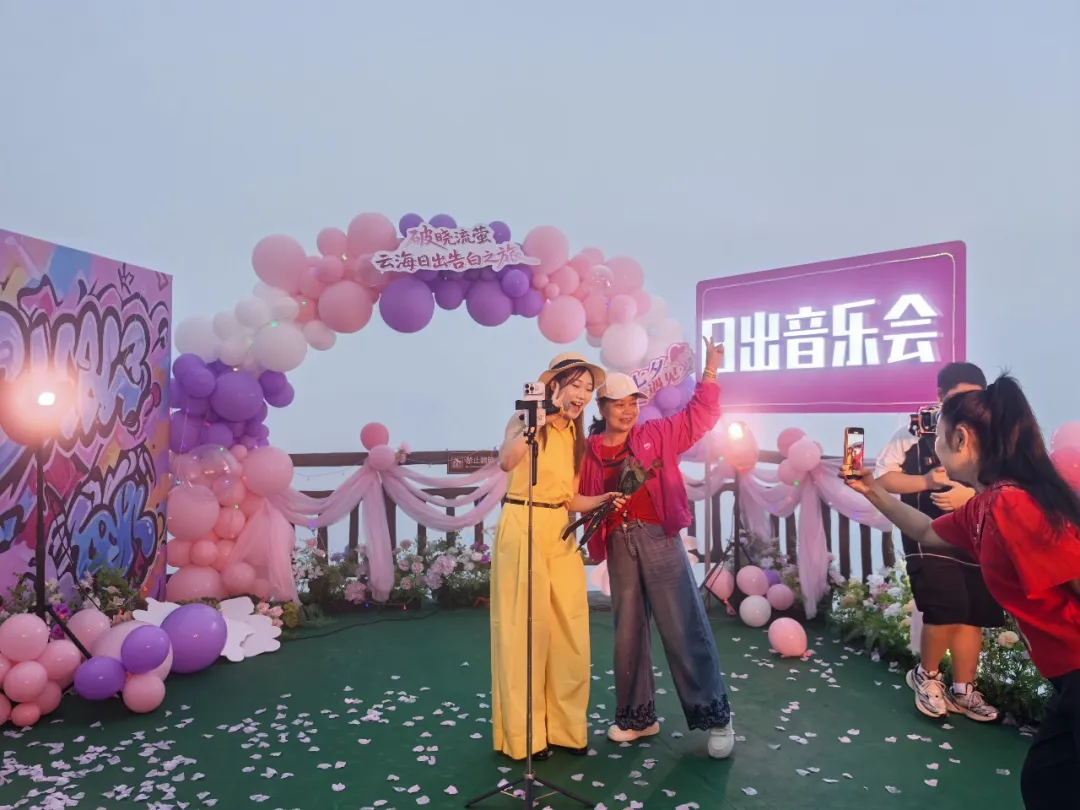
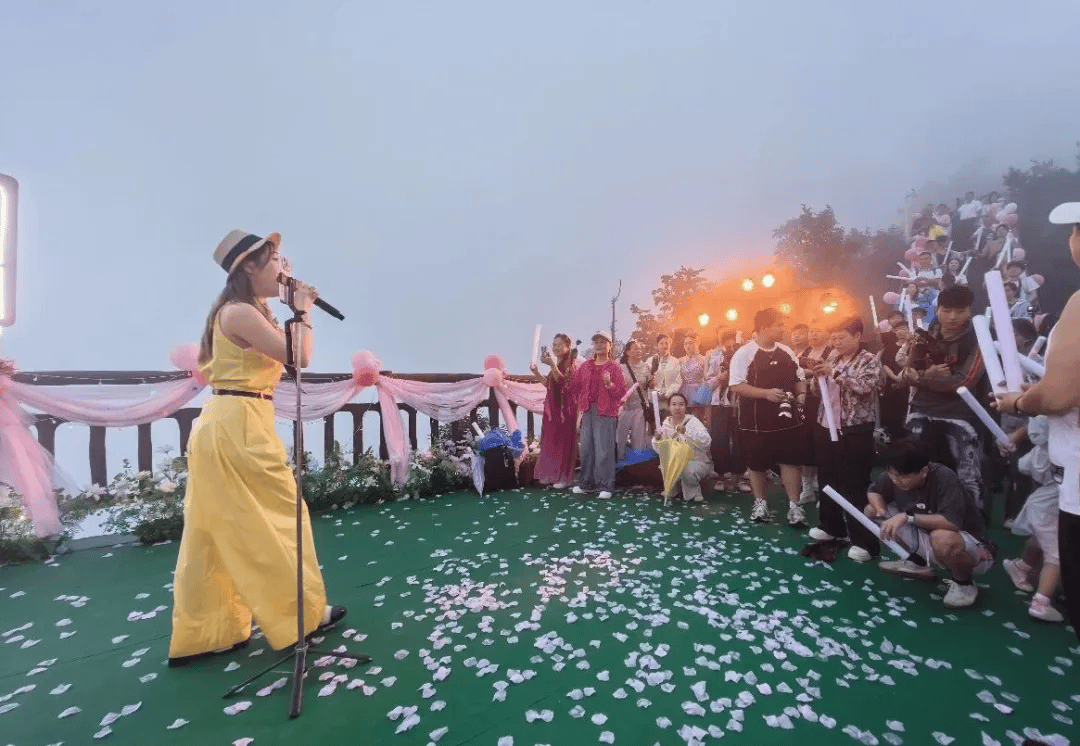
At 5 a.m., under the deep cover of night, the exclusive cableway for couples were opened in Bajiaozhai Stronghold Scenic Spot. Pairs of lovers rode the cable car slowly uphill. Soft, romantic music played on loop inside the cabins as the gondolas glided through layered Danxia peaks toward the sea of clouds atop the mountain, marking the start of this romantic Qixi morning.

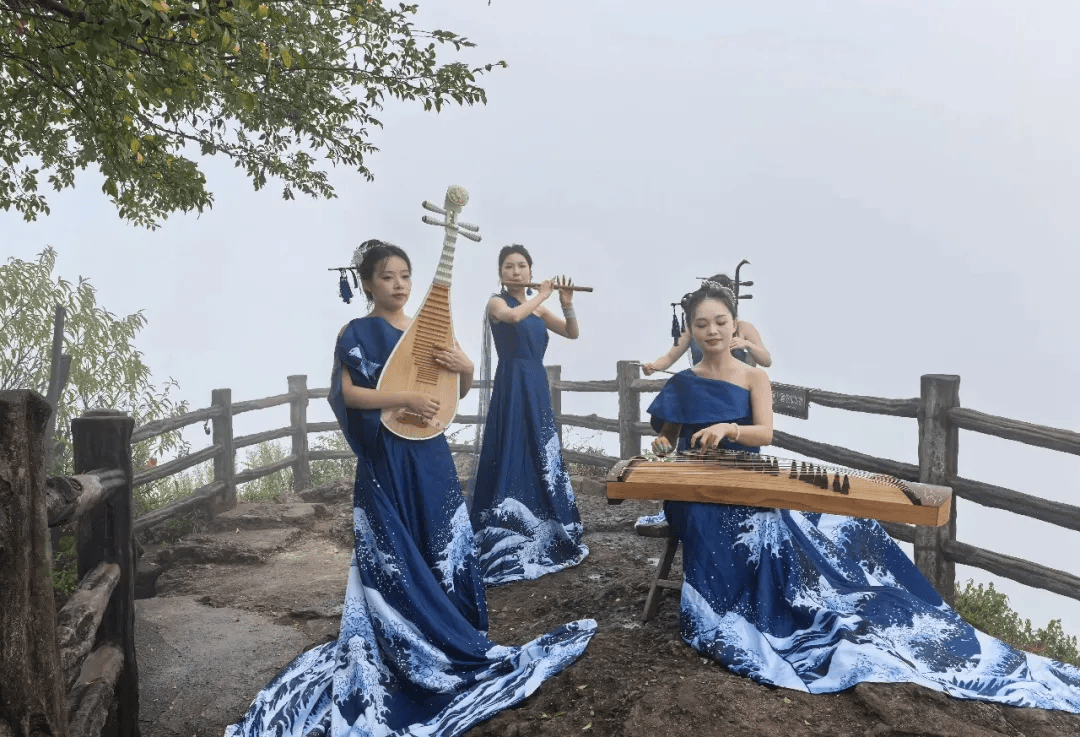
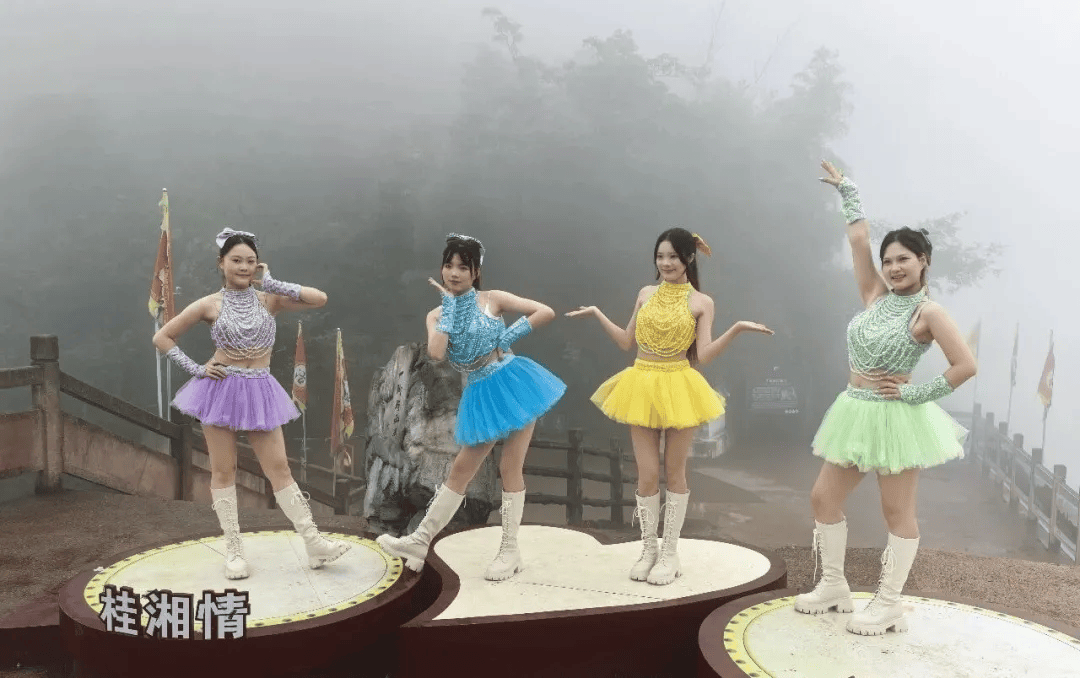
On the viewing platform at the cableway’s upper station, a sunrise concert kicked off warmly. Guitarists performed ballads about starry skies and love confessions, while traditional Chinese dance and fluorescent art shows took the stage in turn. Many couples requested songs on the spot, baring their heartfelt feelings amid the mountain breeze. Sweet romance filled the mountain air.

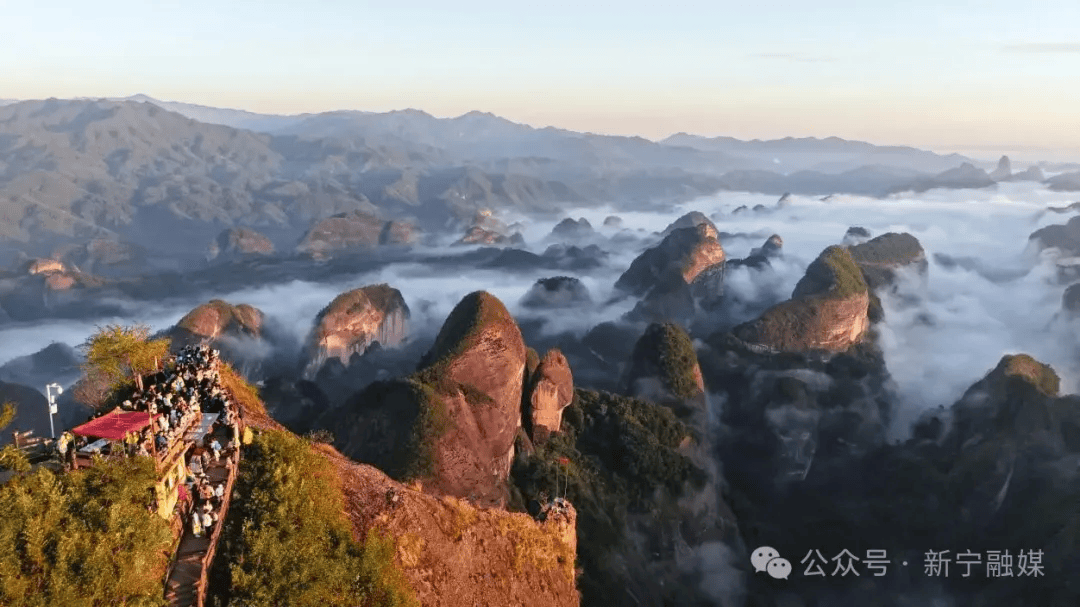
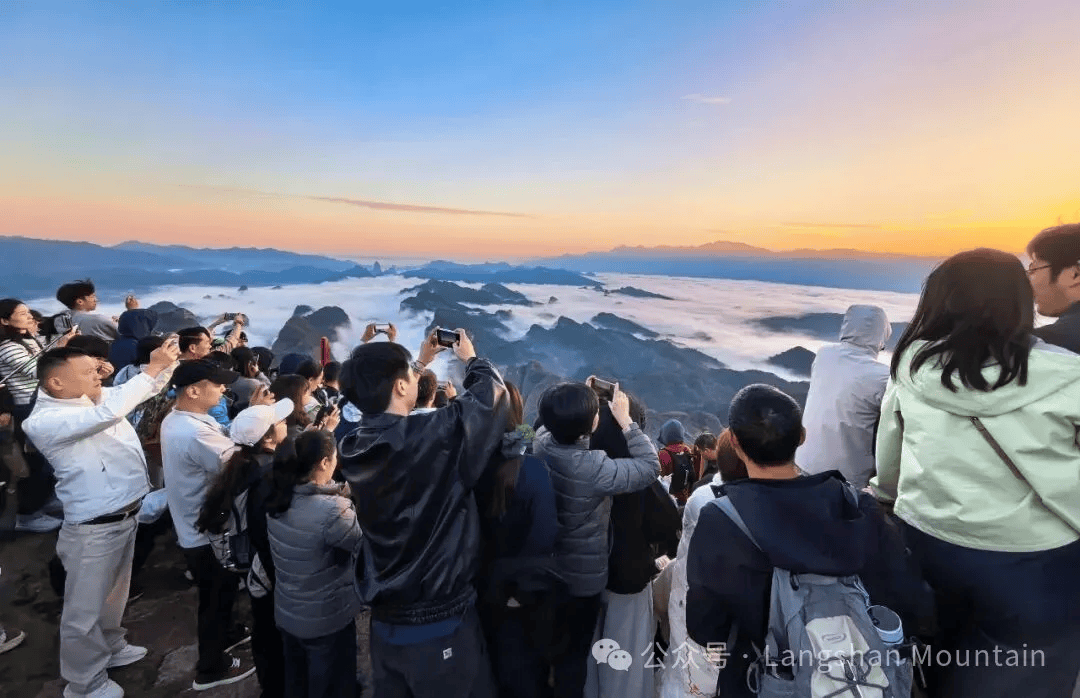
As dawn broke, the rising sun burst through the vast sea of clouds. Golden rays poured down, blanketing the rolling Danxia mountains. The spectacular sunrise over the sea of clouds stunned every spectator. Cloud waves surged across the sky, with peaks peeking in and out of the mist. Visitors paused on the viewing platform to immerse themselves in the breathtaking scenery of Mount Langshan’s “Whales Frolicking in the Sea”.

At the Emperor Shun Blessing Check-in Spot, couples recited love vows facing the rising sun, hung love locks, tied red prayer ribbons, and signed their names to seal their love. Visitors who took photos and shared them on social media could redeem limited-edition Qixi gifts. The towering Mount Langshan stood witness to these sincere promises of lifelong companionship.

At the mountain top, numerous atmospheric photo installations were fully set up. Sunset light boxes, fun rotating eyeball lights, romantic themed arches, and firefly wish walls lined the viewing route. Photogenic spots were everywhere. Visitors stopped to take photos, capturing their own precious Qixi memories.

The fireflies may not have kept their appointment, yet the mountains and seas hold boundless affection. Romance in Mount Langshan extends far beyond Qixi Festival. May we continue to meet among the Danxia peaks and sea of clouds, for all the days to come.

Langshan Para-Athletes Shine at the 12th Paralympic Games of Hunan Province

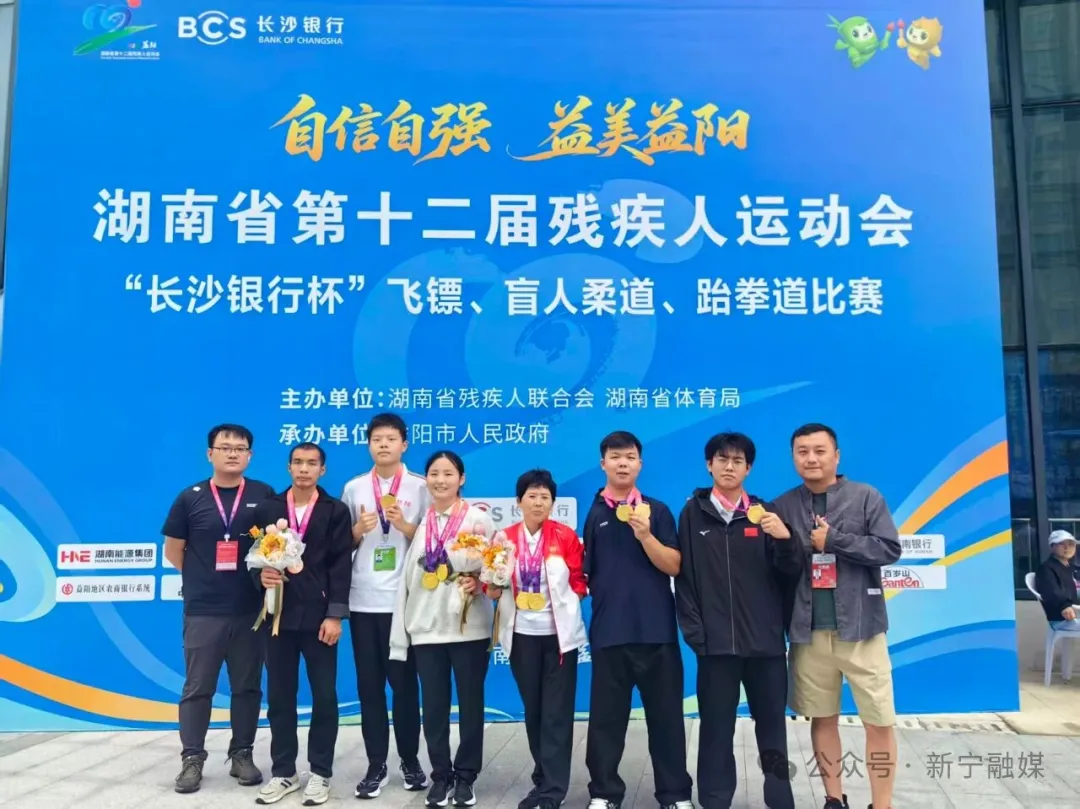
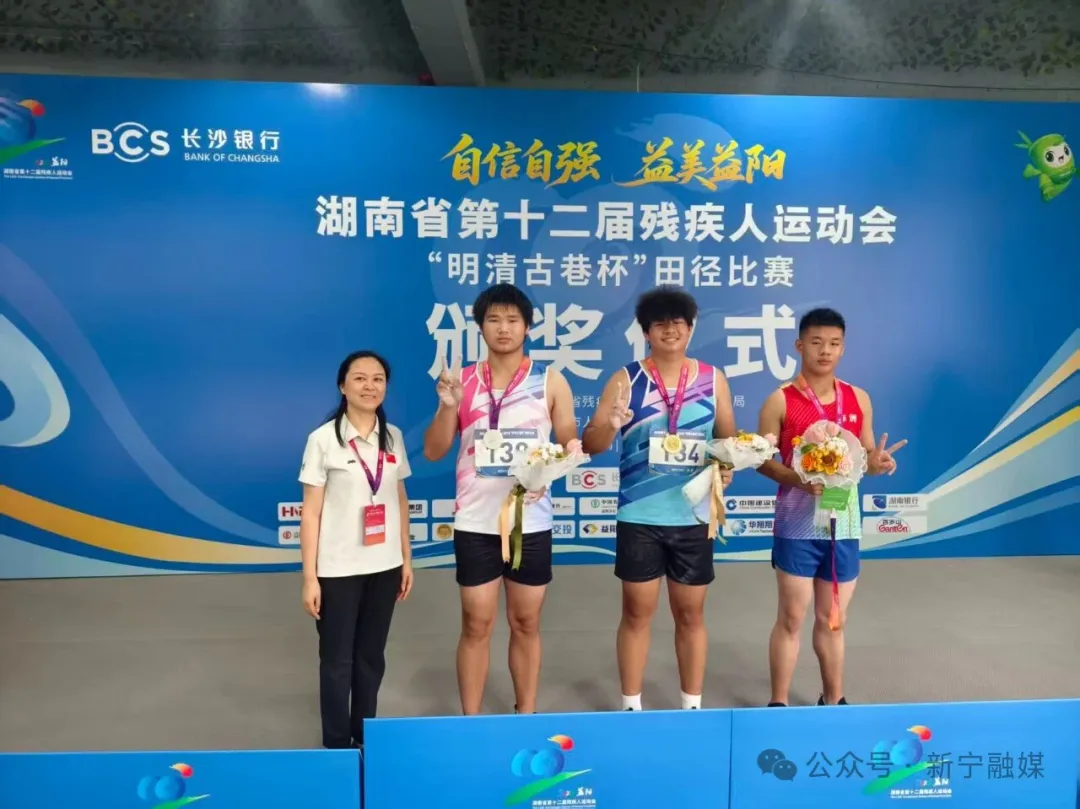
The 12th Paralympic Games of Hunan Province was held in Yiyang city from September 26 to 29. Para-athletes from Xinning county fought valiantly and achieved remarkable results, winning a total of 9 gold medals, 8 silver medals and 1 bronze medal. Their outstanding performance demonstrated the spirit of people with disabilities to constantly strive for self-improvement and surpass themselves.

On the field, Xinning athletes competed fearlessly against strong rivals and gave their all. They claimed 2 golds and 5 silvers in track and field, 1 gold in badminton, 6 golds in taekwondo, 2 silvers in archery, and 1 silver plus 1 bronze in judo. With tenacious efforts, they added glory to the Shaoyang delegation and brought honour to their hometown Xinning.

These outstanding achievements stem from the athletes’ arduous training, and also reflect solid progress in parasports and disability support services in Xinning County. Taking this event as an opportunity, the Xinning County Disabled Persons’ Federation will continue to support the development of parasports, encourage more people with disabilities to take part in sports activities and shine in life.

207,200 Tourists Flock to Langshan Scenic Area over National Day Holiday

Autumn Scenic Splendors, Danxia Landforms Ablaze with Colours. During the 2026 National Day holiday, relying on the Zhangjiajie‑Langshan‑Guilin Golden Tourism Corridor, Langshan Scenic Area rolled out immersive Chinese‑style cultural‑tourism events. Business districts brimmed with vitality and drew huge crowds, delivering a safe, orderly, civilised and booming tourism market.

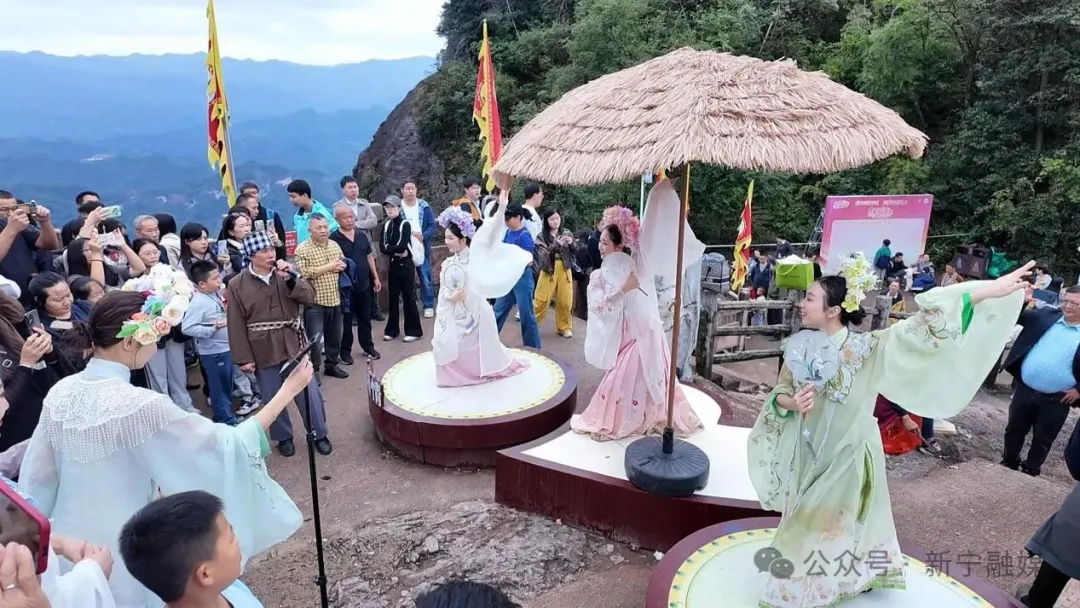
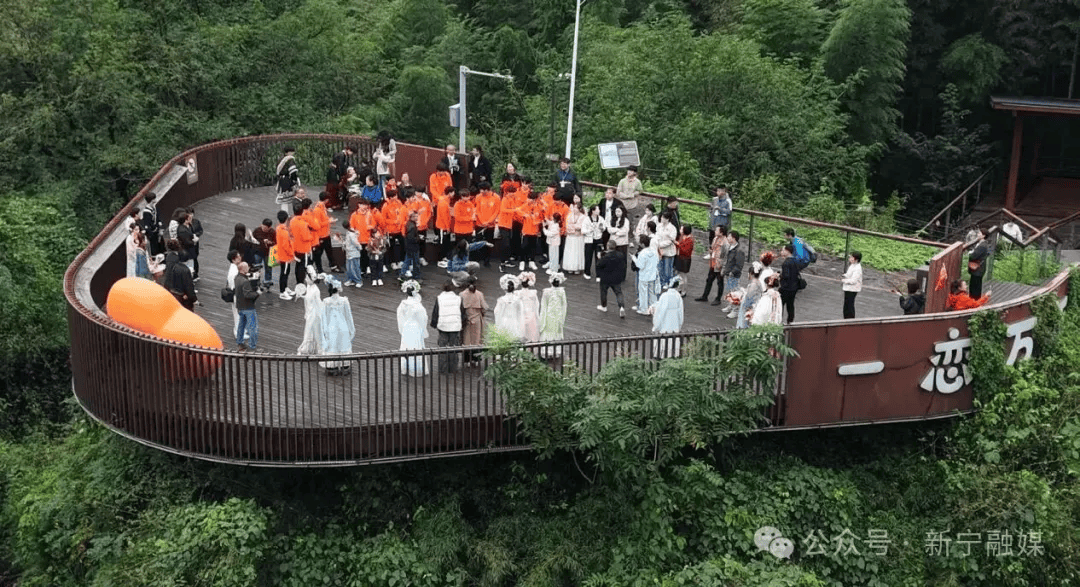
Over the holiday, Langshan presented picturesque autumn scenery. Core attractions including Bajiao Stronghold, Tanyi Lane, Chili Peak and Fuyi River boasted enchanting autumn vistas. The scenic area curated a host of distinctive cultural‑tourism activities that integrated Danxia landscapes with patriotic sentiments and folk customs. National flags were hung and festive decorations installed across the site for visitors to celebrate National Day together. A rich lineup of performances and experiences unfolded, including Hanfu parades, ancient‑style flash‑mob shows, Han‑ritual demonstrations, intangible‑cultural‑heritage woodblock‑print workshops, Bajiao Stronghold folk‑song gatherings and Flower‑Drum Opera shows. While savouring the autumn beauty, visitors could immerse themselves in the charm of traditional culture and experience the dynamic appeal of Langshan’s cultural‑tourism offerings.

Throughout the holiday, the scenic area balanced safety and services by strengthening passenger‑flow management, safety patrols and environmental improvement. Various departments worked in close collaboration. Staff members stayed on duty at front‑line posts, while volunteers provided thoughtful services such as information consultation, on‑site guidance and convenient assistance. Prompt responses were made to all emergencies to ensure a reassuring and pleasant touring experience for visitors, and the high‑quality services won wide acclaim from tourists.

Xiao Haibin, Party Secretary and Chairman of Langshan Cultural and Tourism Group, stated that leveraging the strengths of the Zhangjiajie‑Langshan‑Guilin Golden Tourism Corridor, Langshan Scenic Area achieved bumper gains in both market performance and benefits this National Day. The Langshan Scenic Area will draw on holiday‑period experience, continuously upgrade services and enrich cultural‑tourism formats, burnish the gold‑standard brand of Langshan cultural tourism, and fuel high‑quality development of county‑level cultural‑tourism industries.

By hosting themed events to attract visitors and building a sound reputation through premium services, Langshan Scenic Area injected fresh vitality into traditional cultural tourism via business‑model innovation and scenario upgrading. According to passenger‑flow data from the provincial smart cultural‑tourism information system, Langshan Scenic Area received 207,200 tourists during the National Day break. The holiday market saw robust supply and demand, with steady growth in tourist arrivals and comprehensive cultural‑tourism revenue, marking a brilliant finish to the holiday campaign.

Langshan Scenic Area rolled out a diverse range of photography services to enhance visitors’ travel experience.

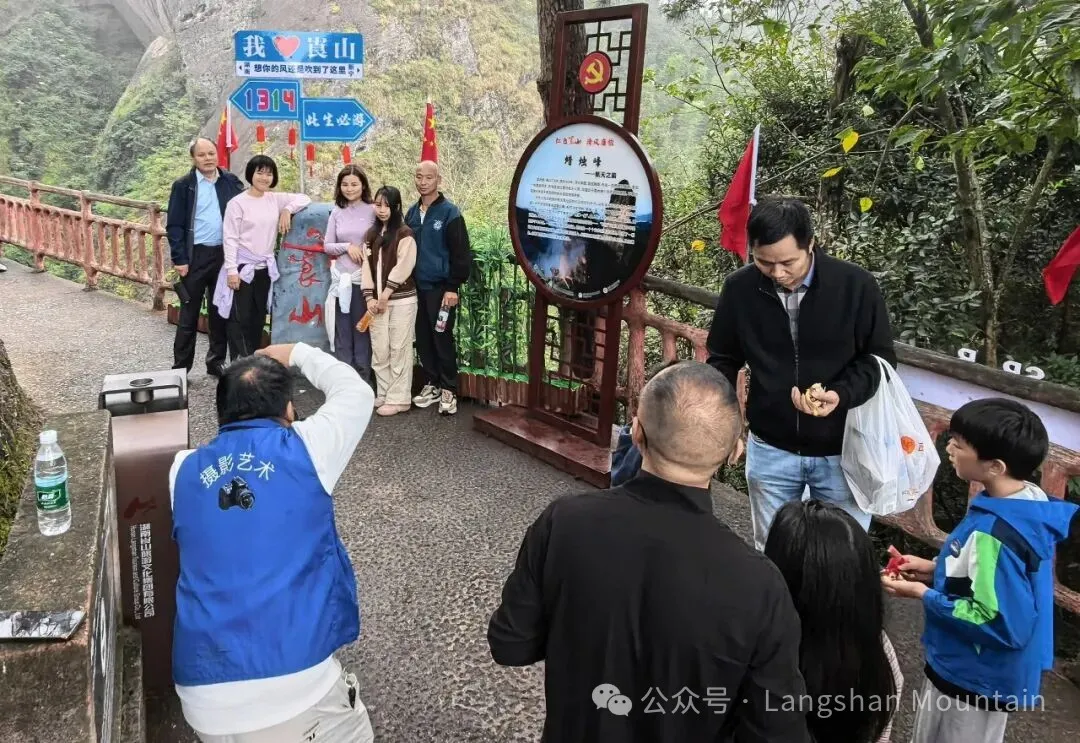
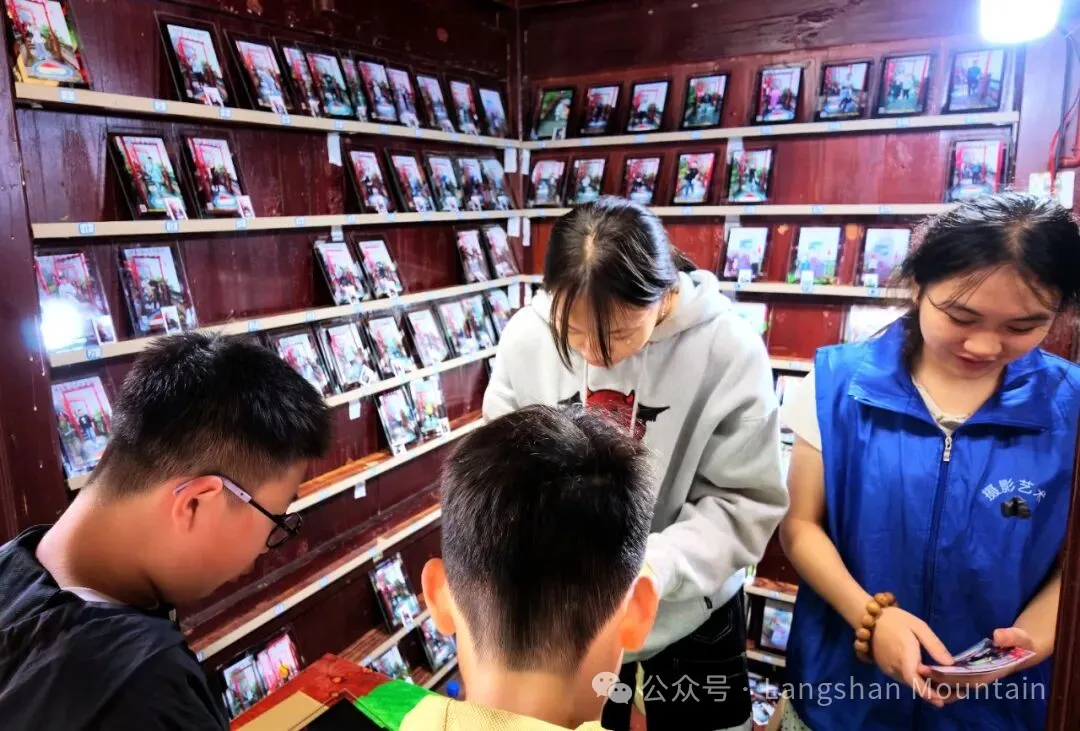
“We found our photos!” On the morning of October 6, warmth filled the instant‑photo collection counter near the exit of Camel Peak at Langshan Scenic Area. Two children jumped for joy upon finding their souvenir photos. This heart‑warming scene vividly epitomizes how Langshan Scenic Area has optimized public‑friendly services to enhance visitors’ travel experience.

In recent years, addressing travel‑related pain points such as difficulties in taking good photos faced by elderly visitors and photography beginners, Langshan Scenic Area has kept improving its services. Multiple convenient photo‑taking spots have been set up at core scenic sites. Diversified photography services cater to the needs of various tourists, allowing visitors to easily preserve wonderful travel moments while admiring the breathtaking Danxia landform scenery.

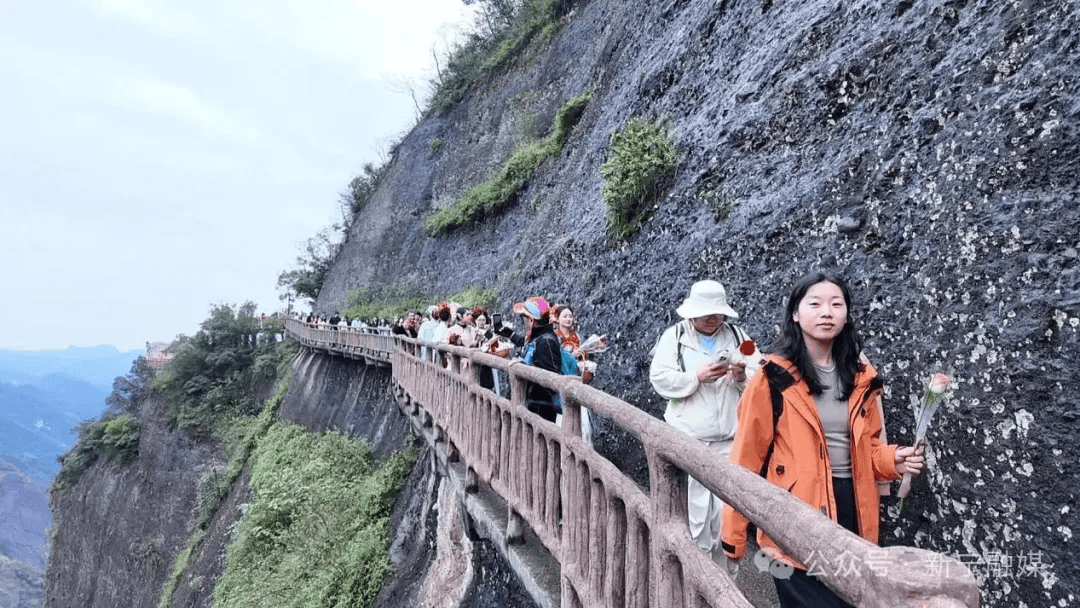
It is learned that the Camel Peak photo‑shooting spot sits at the entrance of the Serpentine Boardwalk of Candle Peak, boasting a fantastic viewpoint that fully frames the boardwalk and the distinctive Danxia landscape of Candle Peak. Visitors may opt to have their photos taken by professional photographers with no need for personal professional gear or complicated operations, bringing great convenience. After sightseeing, visitors can choose from two photo options: free 2‑inch instant prints available for immediate collection; framed 7‑inch photos priced at only 25 yuan, with high‑definition digital copies provided as a complimentary bonus, delivering excellent value. Tailored for seniors, families with children and photography novices, this thoughtful service has won wide acclaim among tourists.

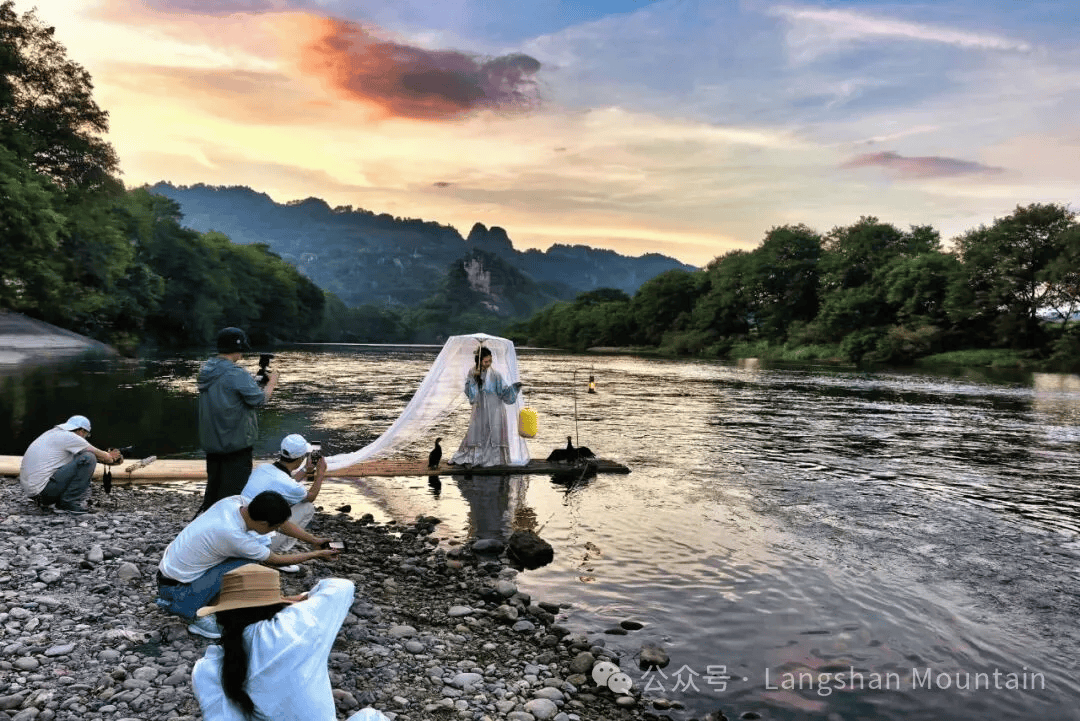
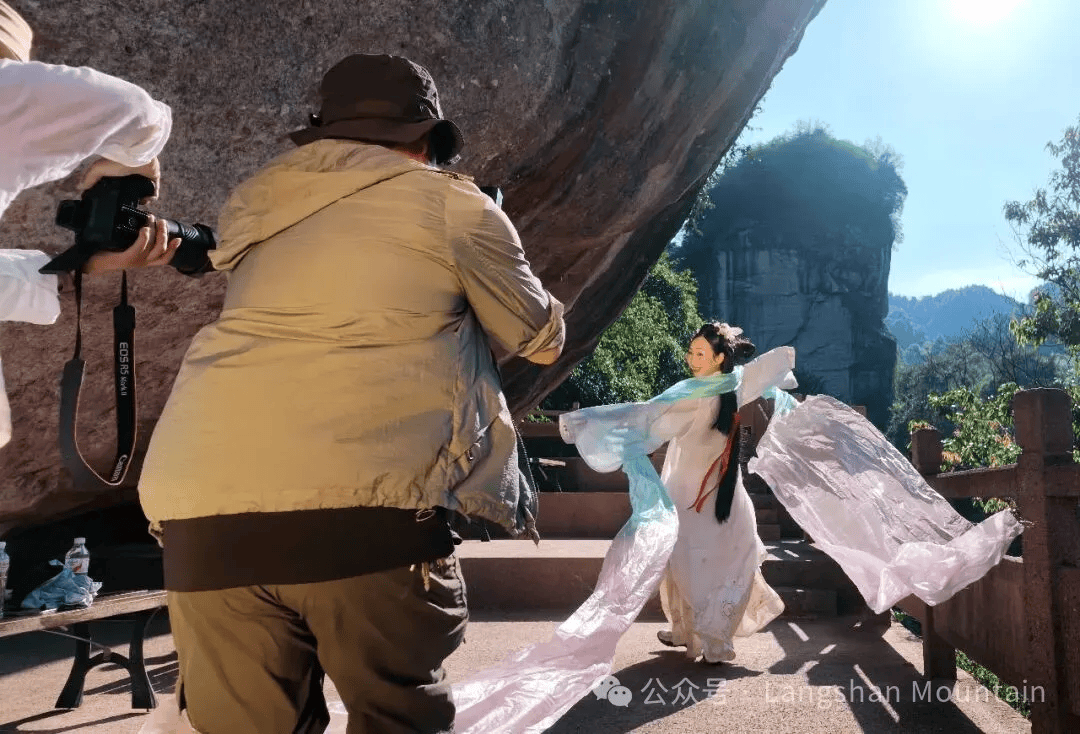
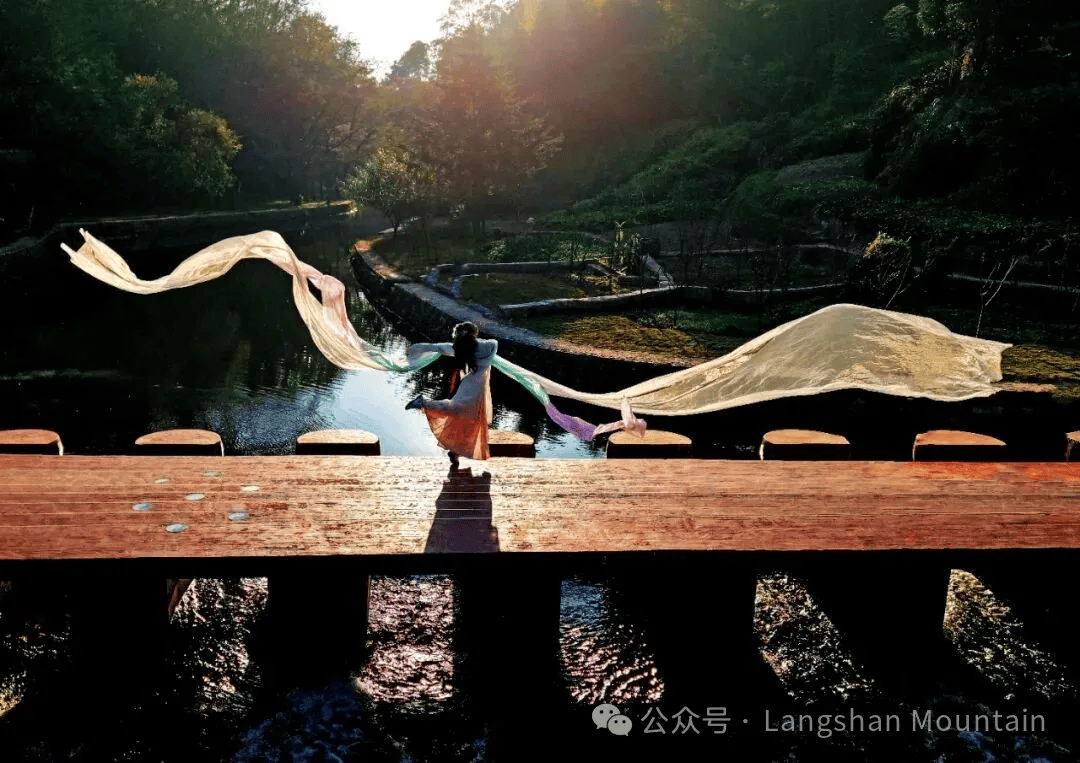
Beyond free instant souvenir photos, the scenic area has launched a new‑style traditional‑cultural travel‑shoot service to enrich visitor experiences. The travel‑shoot site at Qin Bridge on Langhu Street is professionally operated by the Xinning County Photographers’ Association. It offers a wide range of Hanfu and traditional Chinese costumes together with matching accessories. Dressed in ancient‑style outfits, visitors can take photos at popular spots including Qin Bridge, black‑canopied boats on the Fuyi River and riverside bamboo rafts. Against the stunning Danxia mountains and waters, they can capture poetic, sin‑inspired travel memories.

Leveraging the unique landscape of Bajiao Stronghold, a dedicated photo spot has been built on its main‑peak viewing platform for tourists to shoot the iconic “Whales Paddling in the Sea of Clouds”. When sea‑of‑clouds phenomena occur, rolling mountain ridges resemble groups of frolicking whales. The prime shooting angle enables visitors to perfectly capture the magnificent Danxia sea‑of‑clouds view exclusive to Bajiao Stronghold.

At present, Langshan Scenic Area has built a multi‑faceted photography service system covering instant souvenir photos at Camel Peak, traditional‑style travel shooting on Langhu Street, and dedicated landscape photography at Bajiao Stronghold. Balancing accessible public‑friendly amenities and distinctive experiences, the system enables visitors of all groups to enjoy the Danxia scenery of this World Natural Heritage site while receiving higher‑quality, heart‑warming and immersive travel experiences.

« Older Entries