
Vice Governor Jiang Difei Inspected Mount Langshan’s Tourism Integration and Traditional-Village Conservation
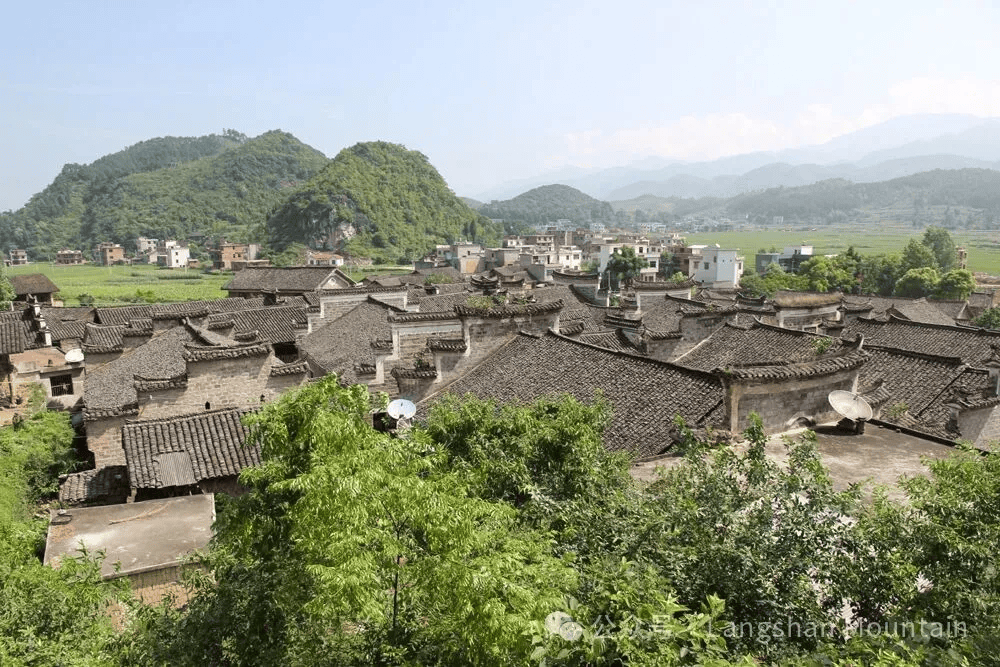
From October 27 to 28, Jiang Difei, Vice Governor of Hunan Province, visited Xinning County, Shaoyang City, to inspect local development initiatives. During his visit, he toured Mount Langshan Scenic Area, the Crested Ibis Conservation and Management Station, Shunhuangli Tourist Resort, the historic architectural complex of Xicunfang Village in Yidushui Town, and Wenquandong (Hot Spring Cave) in Jiaojialong Village, Jinshi Town.
The inspection focused on the integration of culture and tourism at Mount Langshan, the safety of tourism facilities, ecological conservation along the Fuyi River, crested ibis protection, the preservation of traditional villages, and efforts to address waste pollution in karst caves.
Jiang stressed the importance of safeguarding Mount Langshan’s prestigious status as a UNESCO World Natural Heritage Site. Building on its exceptional natural and cultural resources, he called for continued improvements to tourism infrastructure, innovation in cultural and tourism offerings, and the development of more diverse visitor experiences and consumption opportunities. He emphasized the need to bring together natural landscapes, local culture, and contemporary art, while promoting tourism on a larger scale with higher quality and distinctive local characteristics. The ultimate goal, he said, is to turn growing visitor numbers and online popularity into tangible economic growth.
He also underscored the importance of ensuring the safety of tourism facilities, particularly passenger cableways. He called for stronger visitor-flow monitoring and early-warning systems, regular safety inspections, and routine emergency drills to maintain a firm line of defense against safety risks.
On traditional village preservation, Jiang called for greater efforts to protect historic settlements and pass on their cultural heritage. He stressed the need to strengthen safety measures, particularly fire prevention, and ensure that conservation responsibilities are clearly assigned. He also encouraged the exploration of local cultural resources and the development of distinctive offerings, such as intangible cultural heritage experiences, to bring traditional villages back to life and create new momentum for the integration of culture and tourism.
Jiang further emphasized the importance of upholding the principle that lucid waters and lush mountains are invaluable assets. He called for stronger, long-term mechanisms for ecological monitoring and regulation, tighter controls at the source of pollution, and more thorough inspections to identify potential environmental risks. He also urged improvements to rural waste collection and disposal, alongside continued efforts to tackle environmental pollution in karst caves.
He stressed that a healthy ecological environment is the foundation for the sustainable development of tourism and must be protected to support the long-term growth of the local cultural and tourism industry.