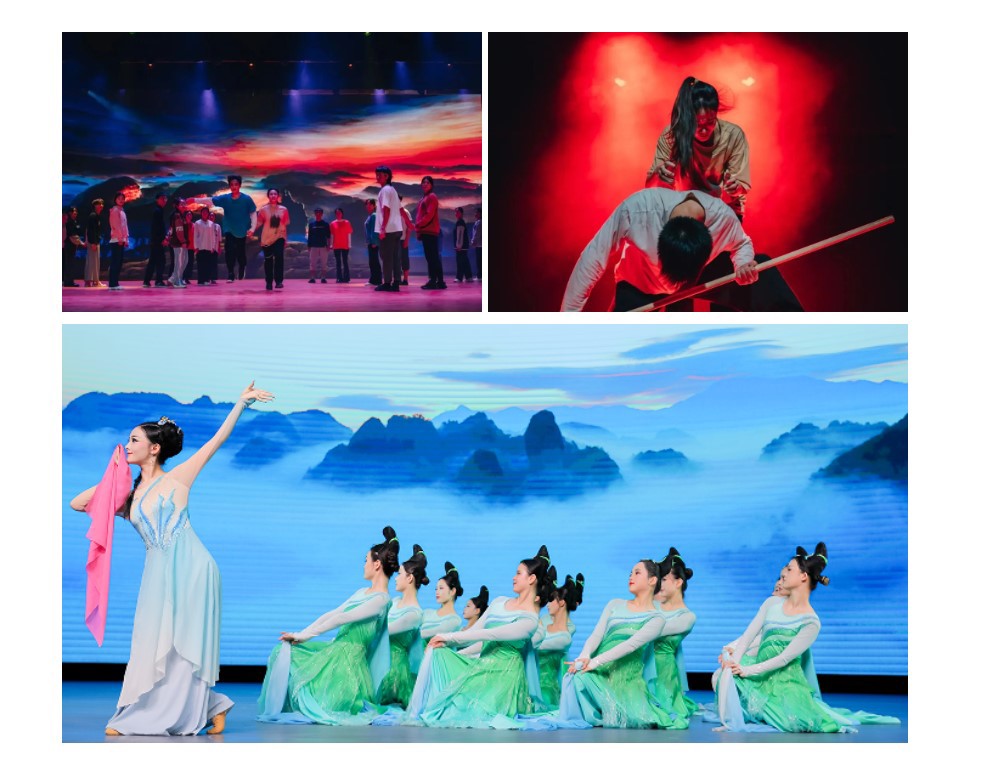
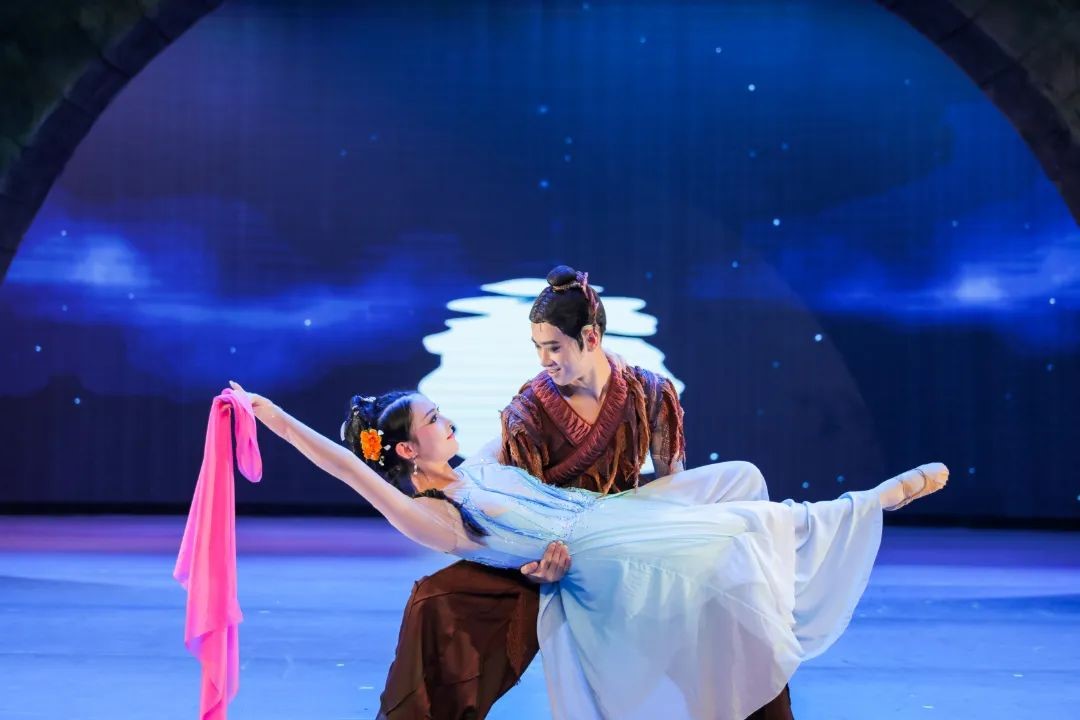
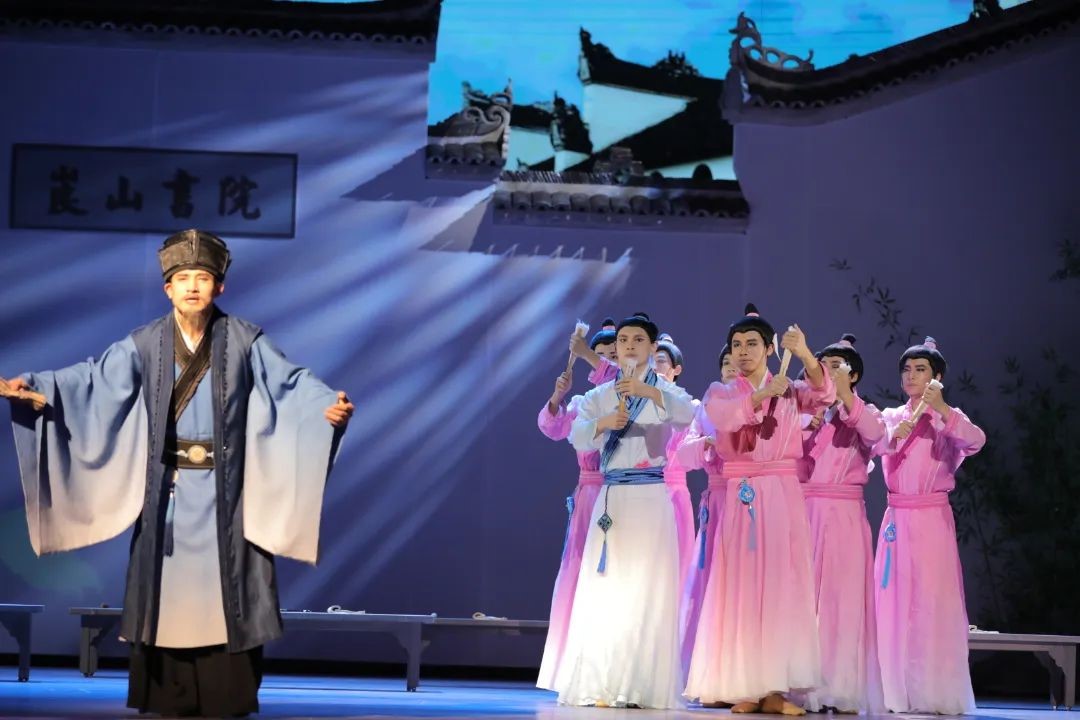
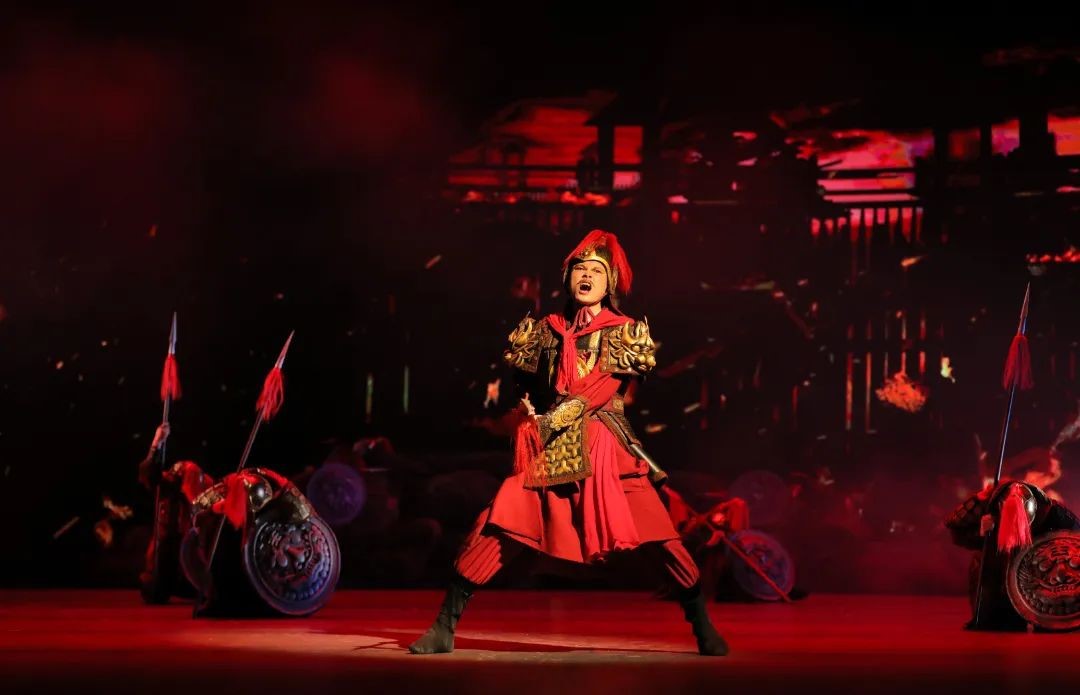
Starting from the “Lang” bestowed by Emperor Shun 4000 years ago, the stage play”Love in Langshan” portrays the “deepest” love of the ancient legend of Langshan and Langshan people’s worship of being well versed with pen and sword to the country and the people. Through live scenes, combined with multimedia imaging and modern technologies such as sound, light, and electricity, it presents Langshan’s long and splendid history and culture, unparalleled magical scenery, and colorful ethnic customs from multiple levels and angles.
Especially in the various performance chapters such as love, study, martial arts practice, serving the country, attachment, etc., the audiences will enjoy a perfect audio-visual feast of seeking love, understanding love, tasting love, and respecting love. Through immersive experience, the audiences will appreciate the unique cultural charm of the beautiful Langshan Mountain. It is a large-scale original cultural and tourism masterpiece that embodies millennium civilization.
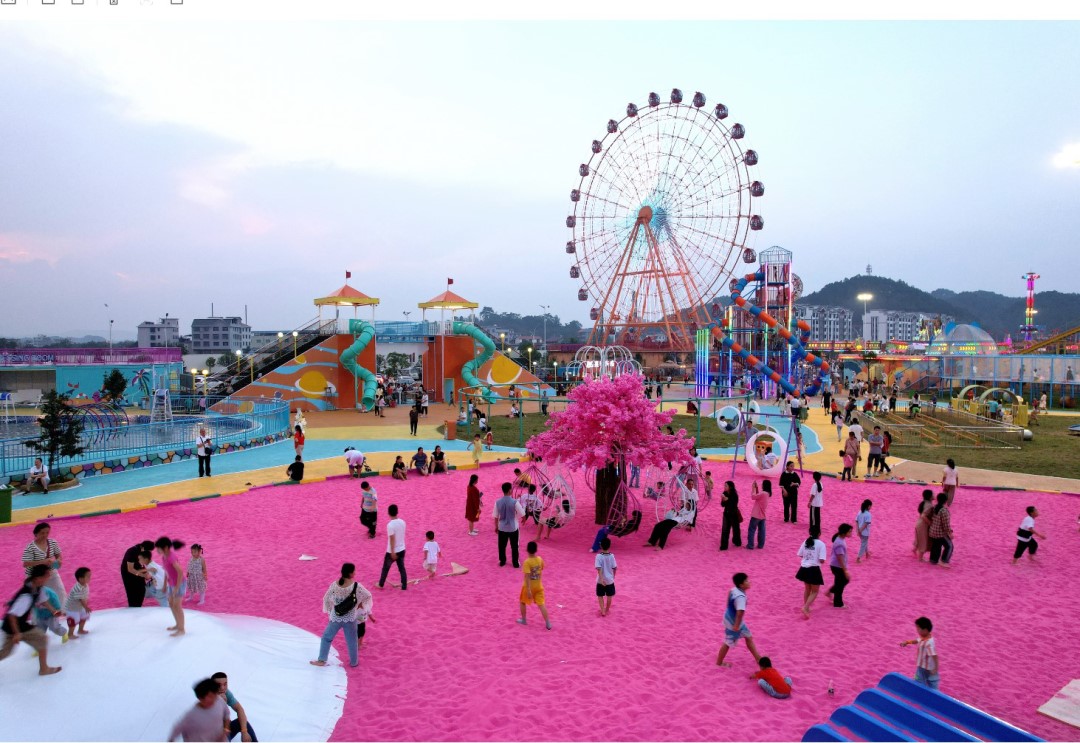
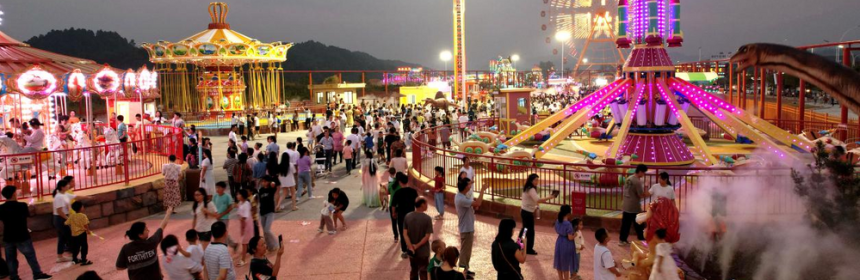
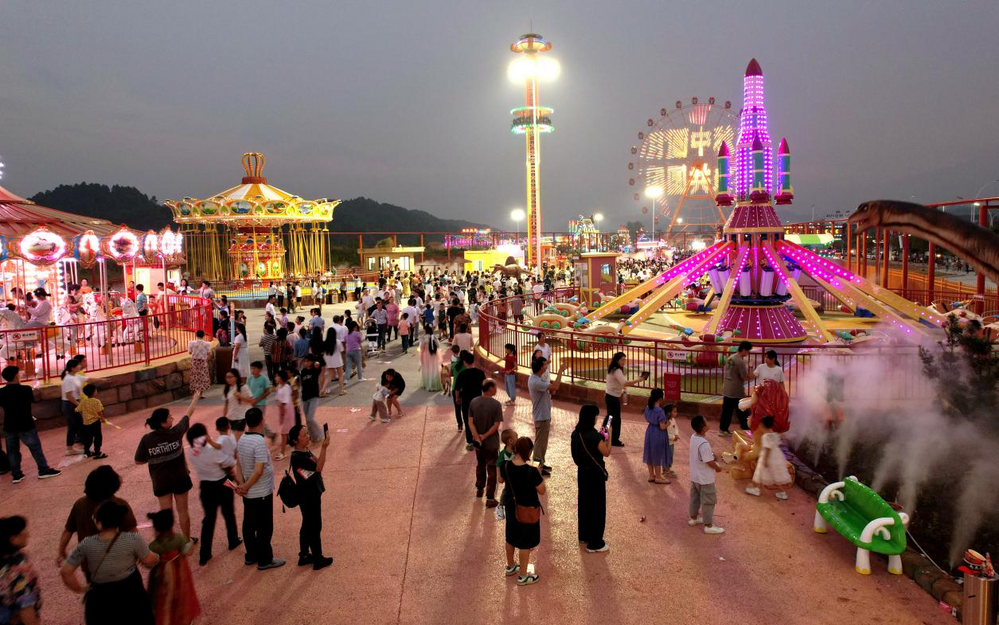
On September 28th, Xinning Splendid Dinosaur Park officially opened to welcome tourists, adding a new tourist attraction to the Langshan Scenic Area.
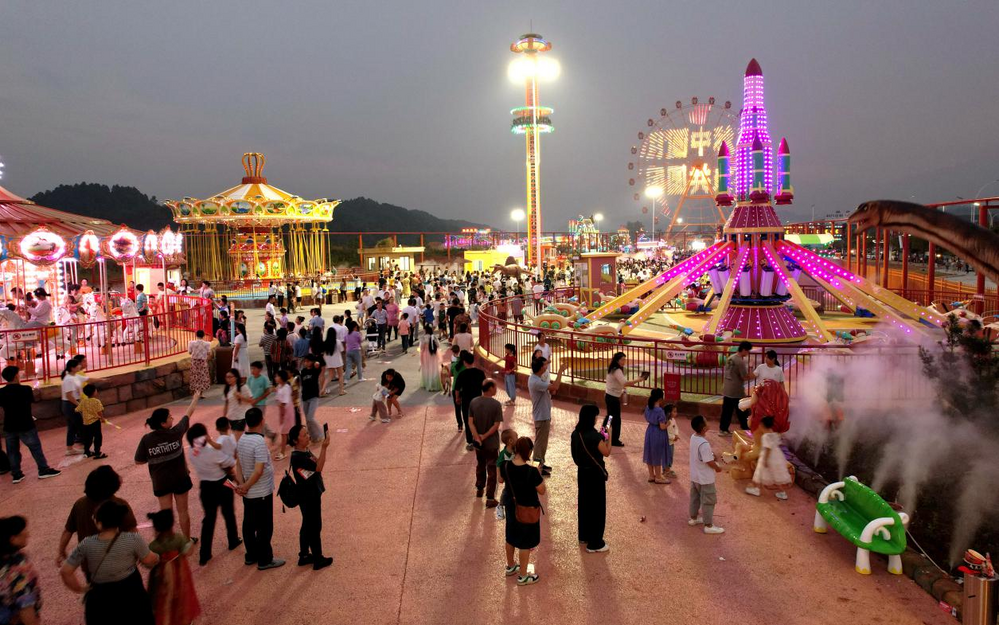
The Splendid Dinosaur Park is located at the foot of the beautiful Langshan Mountain and by the banks of the Fuyi River, adjacent to the Shunhuangli Cultural Tourism Industrial Park. Featuring the theme of dinosaurs, the park covers an area of more than 40 acres and is divided into dinosaur exhibition area and activity experience area. It is the first independent large-scale park in Langshan with 17 mechanical power facilities and 30 amusement and sports facilities.
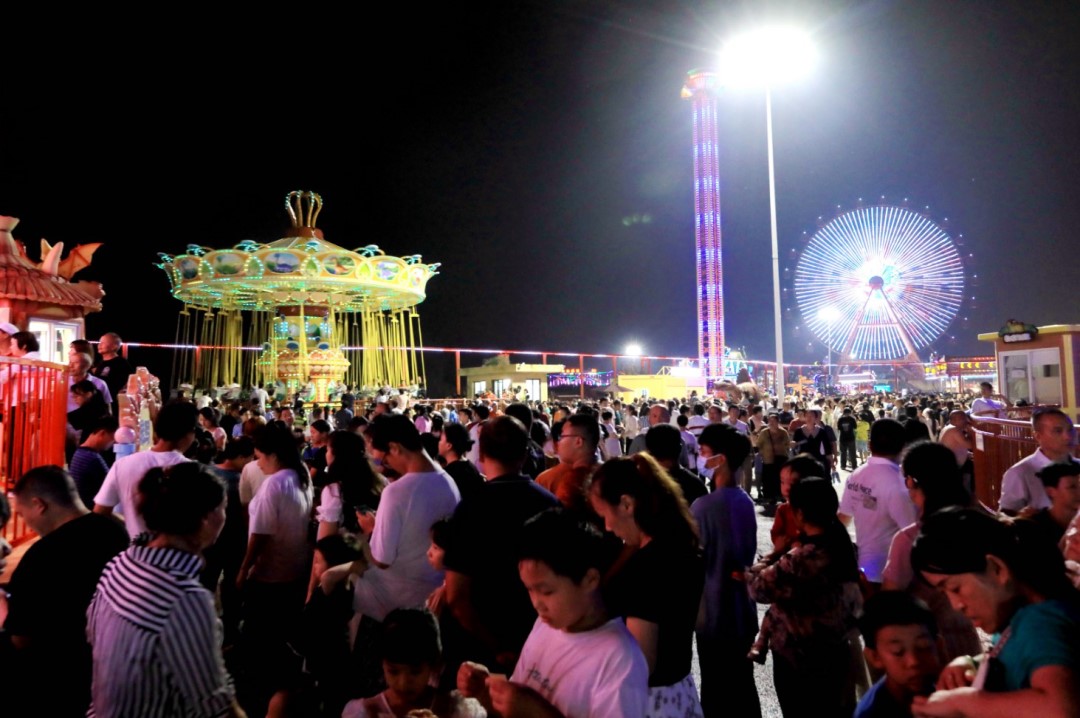
During the Mid Autumn Festival and National Day holiday, in addition to various regular themed activities and performances, fireworks performances were also held to provide visitors with exciting and diverse entertainment experiences, bringing a lot of happiness to the tourists.
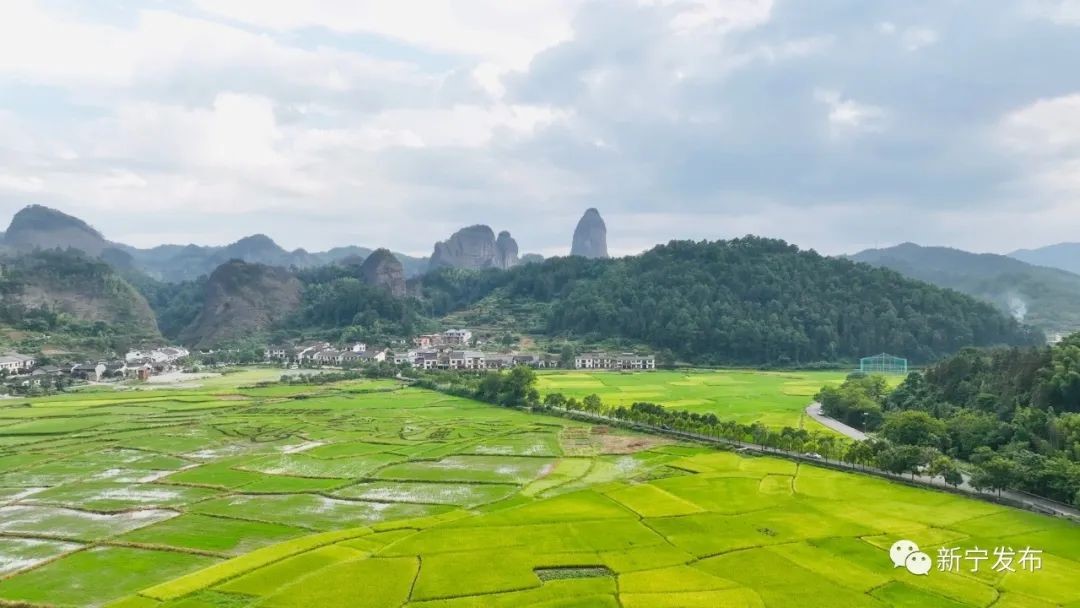
Golden autumn in October, in the Shitian village, the ancient and simple houses with green tiles and white walls, and the golden paddy waves complement the distant Candle Peak and Camel Peak, presenting a charming autumn pastoral painting.
The autumn wind sweeping by, the golden rice fields rolled up with golden waves. With the gentle breeze, flowing light and shadow intertwined, presenting bright and colorful colors. The ears of paddy are ripe and full, and droop low, showcasing the charm of maturity, shining like gold, making people feel relaxed and happy.
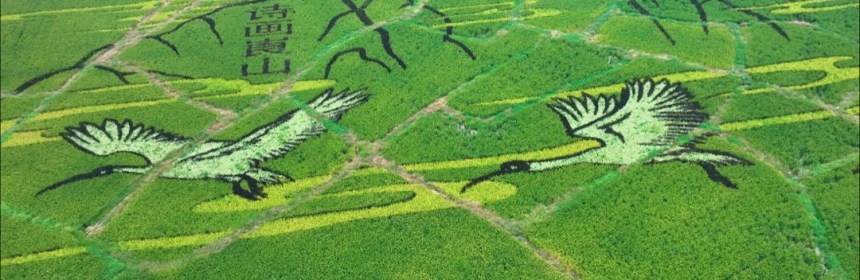
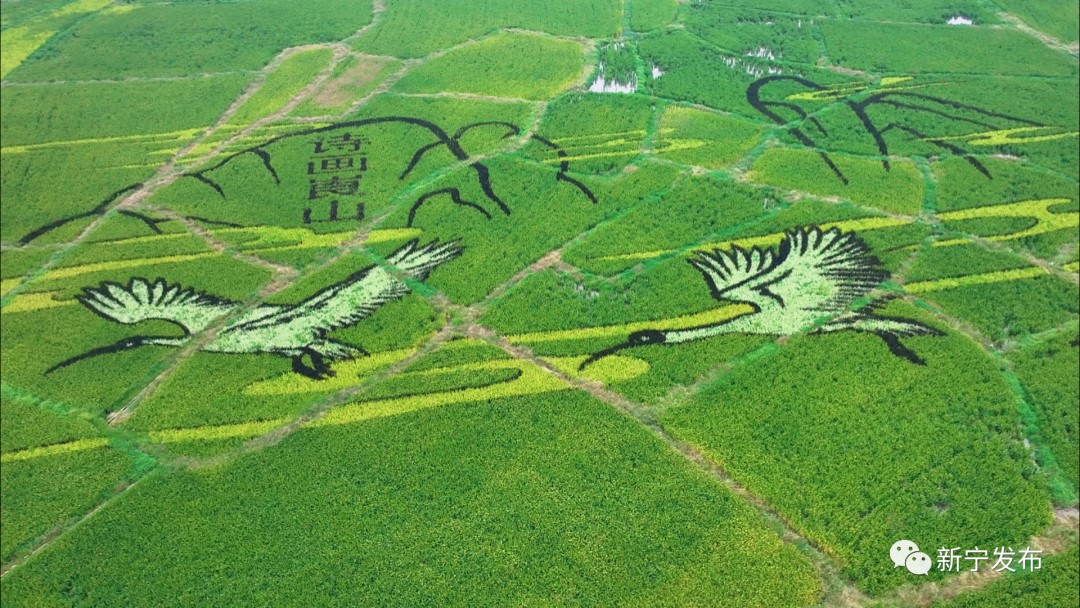
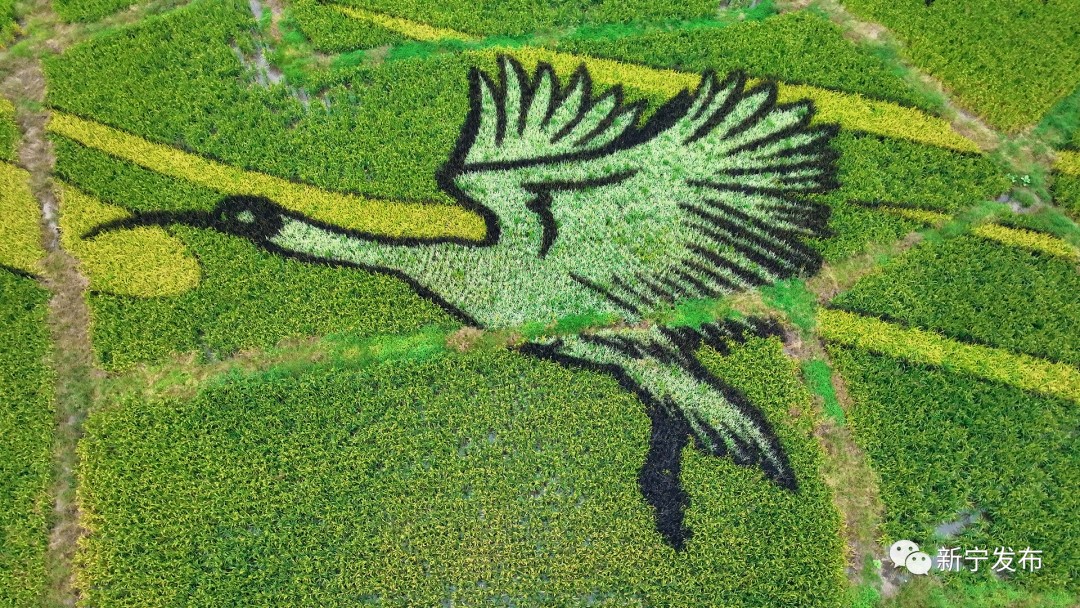
Overlooking from a high altitude, the beautiful scenery is in full view, with the green mountains surrounding the paddy fields and the villages interspersed. A unique painting of crested ibis flapping their wings and flying gracefully in the paddy fields catches the eye, which is elegant and vivid.
The mountains and crested ibis in the painting complement each other, giving a poetic and picturesque atmosphere to the tranquil countryside, jointly forming the “intoxicating” beauty curve of the beautiful Langshan Mountain.
During the Mid-Autumn Festival and National Day holiday, the Langshan Scenic Area in Xinning county, Hunan Province launched new cultural and tourism formats such as low altitude tourism, helping Langshan usher in the peak of tourism through various immersive experience activities. According to statistics, from September 29th to October 6th, Langshan Scenic Area received a total of 400000 tourists, a year-on-year increase of 54.28%; The ticket revenue was 5.2894 million yuan, a year-on-year increase of 60.61%.
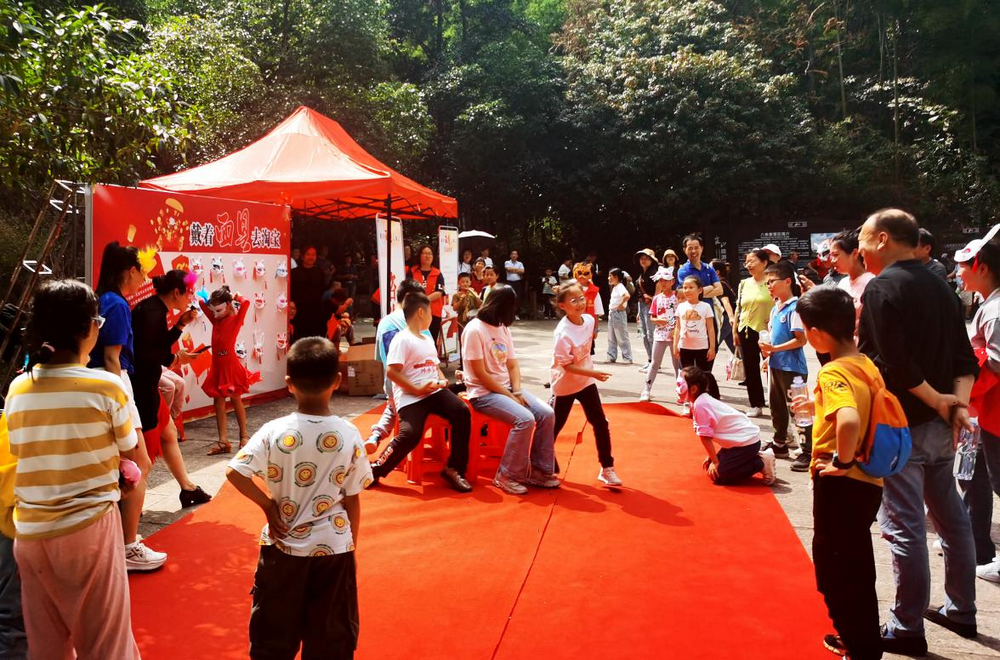
Langshan Mountain, a world natural heritage site and a national 5A level scenic area, has concentrated the essence of the landscape at different stages of Danxia landform. Red mountains, clear water, red cliffs, villages, strange peaks, strange rocks, deep valleys and idyllic gardens together form a beautiful landscape painting. Besides the traditional mountaineering tours, the Langshan Scenic Area also introduced bamboo rafting and helicopter low-flying for the tourist to better appreciate the beautiful scenery of Langshan Mountain. Shunhuangli Cultural Tourism Industrial Park has invited inheritors of intangible cultural heritage to participate in night tour programs such as the “Bonfire Party”, allowing tourists to experience the charm of Langshan Yao family intangible cultural heritage.
During 8-day of the double-festival holiday, the Langshan Scenic Area also launched a series of warm services and preferential measures. In addition to the real name Langshan Tourism Discount Card and the Anti epidemic Warrior Changyou Card holders, all children under the age of 14, elderly people over 65 years old (including 65 years old), soldiers in active service, veterans, and disabled people can visit the four scenic spots(including Bajiao Stronghold, Tianyi Lane, Chili Peak, and Zixia Cave)for free with valid documents.
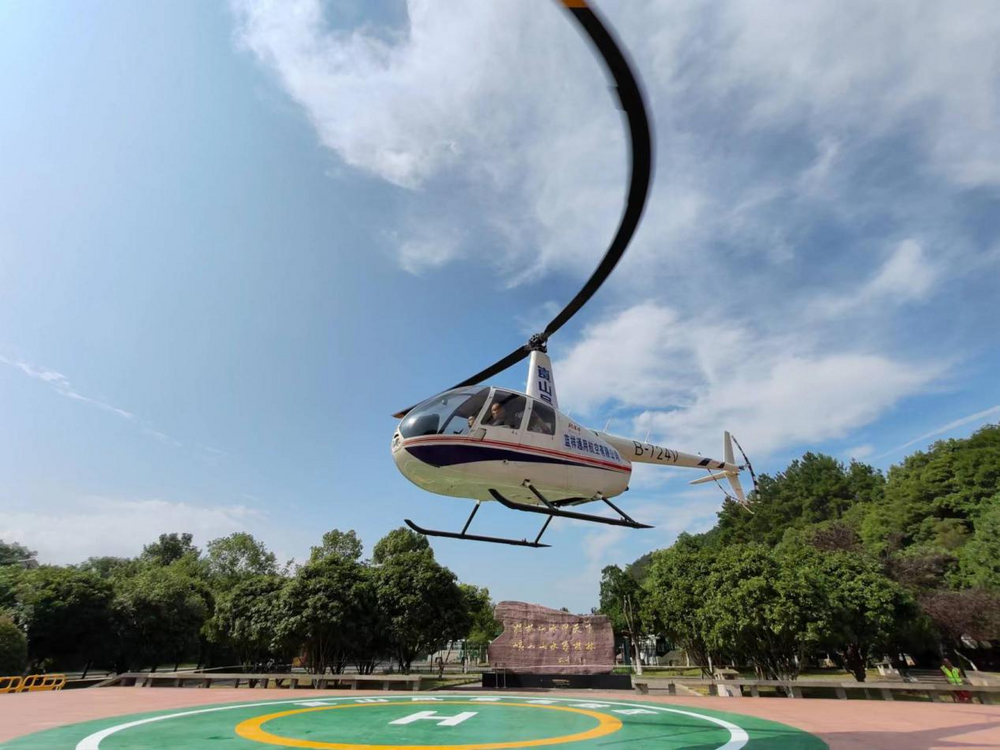
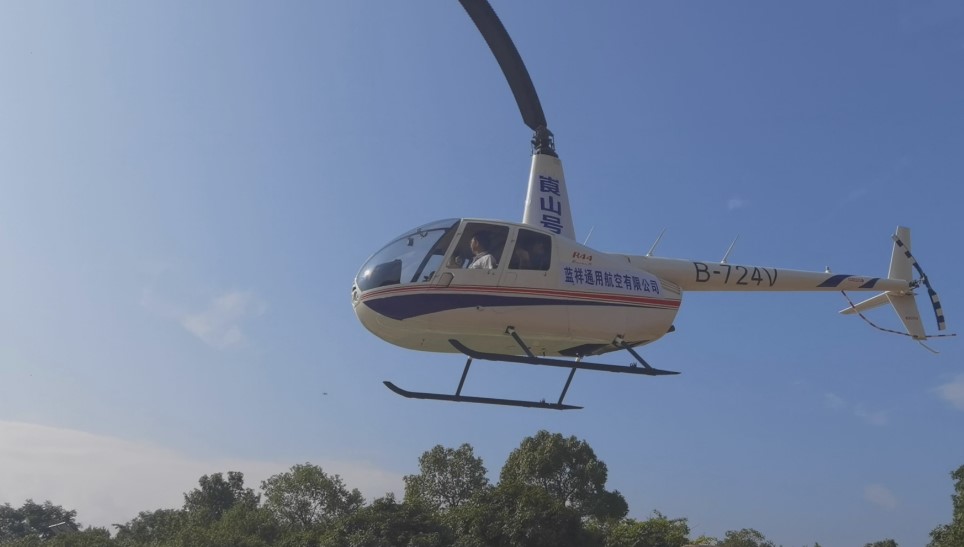
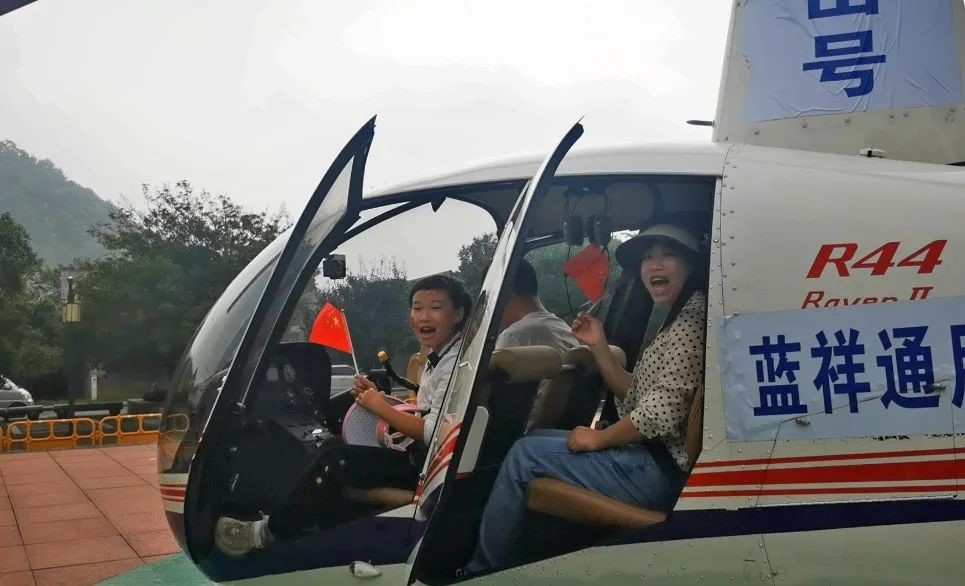
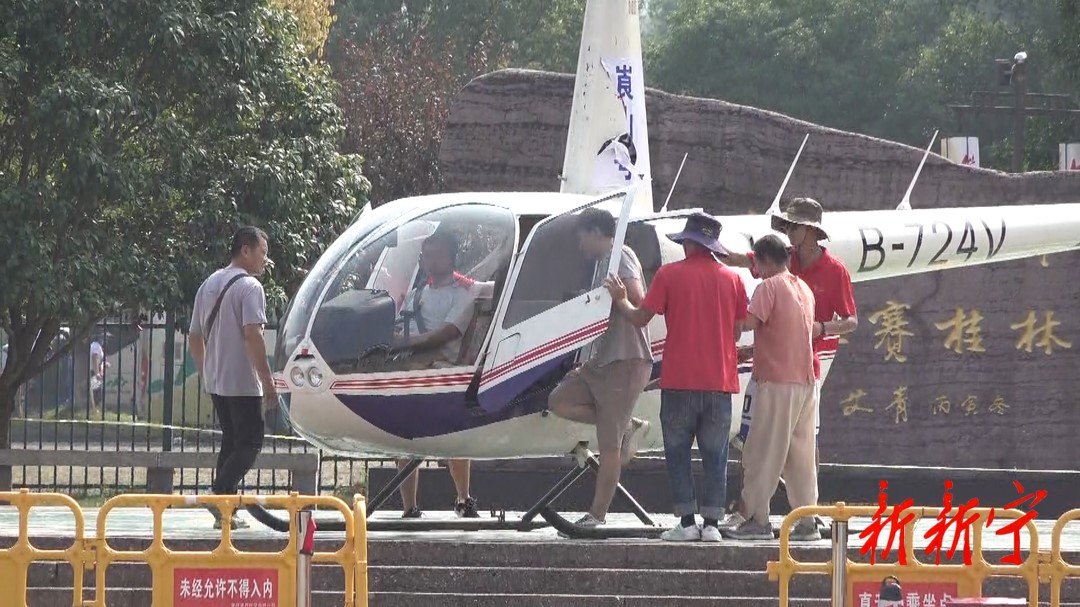
On October 4th, accompanied by the roar of the propeller’s rapid rotation, the “Langshan” B-724V helicopter took off smoothly from the Langshan Scenic Area Square, leading tourists to enjoy the beautiful Danxia scenery from a high altitude perspective, making them exclaim excitedly.
In recent years, with the diversified development of tourism and the rapid takeoff of the navigation industry and low altitude economy, low altitude tourism, a new type of travel that overlooks the beautiful scenery from high altitude by helicopter, is being favored by more and more tourists.
During the National Day holiday, the number of tourists who choose low-flying is skyrocketing. Many of them are looking forward to admire the wonderful Danxia scenery in the clouds.
It is reported that each low-flying can take three passengers. According to the tourists’ preference, there are three air travel routes for them to choose, namely, 15 km experience flight, 30 km essence flight and 50 km panoramic flight. Each flight can take a panoramic view of the Danxia scenery of Langshan Mountain.
Low altitude tourism in Langshan Scenic Area can better showcase the beauty of Langshan, enrich its tourism products, enhance the tourist transportation and emergency rescue capabilities of the scenic area. It is continuously improving the experience and sense of gain for tourists, and promoting Langshan to stride forward in the new journey of building a world excellent tourism destination.
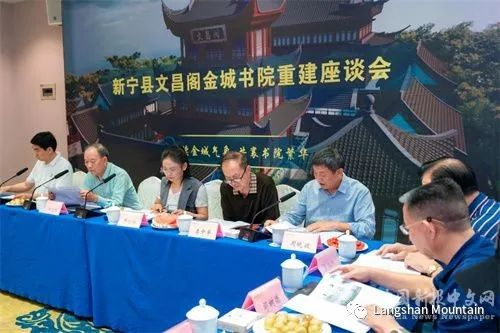
On September 28th, the symposium on the reconstruction of Jincheng Academy and Wenchang Pavilion was held in Jinshi Town, Xinning county. With the theme of “Civilization creates the world, culture prospers the country”, this symposium was organized by Jincheng Academy of Classical Learning to gather people from all walks of life and local elites from Xinning county to warmly discuss the rebuilding of Wenchang Pavilion and Jincheng Academy.
Famous writer Mr. Zhou Xiaobo, who has been devoted to the cultural research of Xinning county’s academies for many years, reported to the attending guests on the historical evolution of the Wenchang Pavilion and Jincheng Academy of Classical Learning. The rise and fall of Jincheng Academy and Xinning’s cultural heritage have close relationship with the emergence of talented people. The reconstruction has historical origins and practical significance, and benefits the future. It not only inherits and promotes the virtues of the ancestors, but also inspires future generations, which is of great significance and urgency.
The attendees spoke up enthusiastically and unanimously suggested the reconstruction of Wenchang Pavilion, reaching a consensus on the site selection, construction scale and method. They urgently asked for the support and attention of the relevant regulatory authorities and all sectors of society, sincerely called on people of insight to contribute ideas and suggestions, and work together to actively promote the reconstruction.
The Jincheng Academy of Classical Learning was founded in the 24th year of the Kangxi reign (1685) and is highly renowned in history. Xinning county is the birthplace of the Xiang army, and a group of Xiang army (Chu Yong) generals such as Jiang Zhongyuan, Liu Changyou, and Liu Kun studied in Jincheng Academy and Yuelu Academy. At that time, Xinning county (though a small remote county) emerged with 241 court officials of fourth or higher rank, demonstrating a unique phenomenon of talent explosion and highlighting the influence of Huxiang Academy culture. In the 27th year of the Guangxu reign (1901), an edict was issued to transform the academies of various counties into small schools, and the Jincheng Academy withdrew from the historical stage. With the support of the county party committee and government, and with the promotion of a group of retired cadres and cultural figures such as Li Zhongping, Liu Liehong, Wang Ruiqian, Xiao Jianfeng, Xiao Fushan, Zhang Caishan, and Li Jinlan, Jincheng Academy of Classical Learning was reopened and resumed operation in 2018.
Liu Dunzhen (1897.9.19-1968.5.10), styled Shineng, also known as the owner of the Dazhuang Room, a native of Xinning county, Hunan province,is a modern architecture expert, an architectural historian,and one of the pioneers of Chinese architectural education and Chinese ancient architecture research, an academician of the Chinese Academy of Sciences(member of the faculty).
He founded China’s first architect firm run by a Chinese. He has been engaged in architectural education and architectural history research for a long time. He is one of the founders of architectural education in China and a pioneer of Chinese architectural history research. His investigation of ancient buildings in north and southwest of China and the systematic research on Chinese traditional houses and gardens have laid the main foundation for this discipline. He has organized and presided over the compilation of national architectural history many times, and published influential monographs such as “Suzhou’s Classical Gardens”.
In 1956, he published the monograph “Introduction to Chinese Housing”, which set off an upsurge of comprehensive research in this field in domestic academic circles. He led his assistants in detailed surveying and mapping of large, medium and small typical gardens in Suzhou. During the eight or nine years, he drew more than 2,000 surveying papers, photographed more than 20000 pieces and wrote more than 100000 words. Unfortunately this work was interrupted by the “Cultural Revolution”, and the manuscript was compiled and published by his assistants and descendants in 1979. After publication, it became well-known both at home and abroad, and was translated into English and Japanese for publication. He called together the old, middle-aged and young academic elites in architectural history and some archaeological circles, presided over and compiled “A Brief History of Chinese Architecture” and “History of Ancient Chinese Architecture”, which lasted 7 years, revised 8 times, and finally publised in 1966. These two book are still important reference books, and won the special prize of National University Excellent Textbook in 1988.
Langshan Mountain in Xinning county, located in the southern border of western Hunan province, is a gathering place for many ethnic groups, in which the Yao nationality has distinctive customs such as diet, living, funeral and other customs. It is reported that October 16 of each year is the traditional “King Pan Festival” of the Yao nationality in Xinning county. On that day, guests to the Yao village will receive the most enthusiastic hospitality and enjoy the most noble King Yao banquet. The “King Yao Feast” in Langshan mountain developed accordingly.
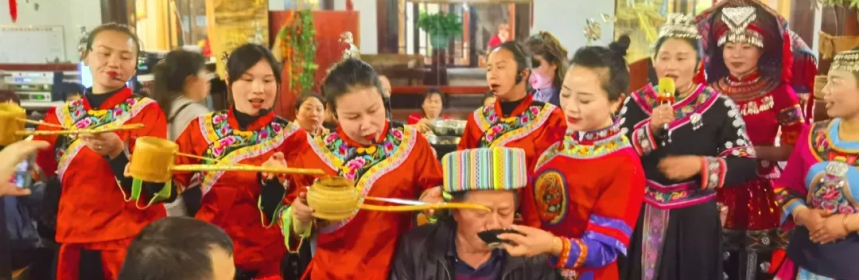
The specific process of the “King Yao Feast” is divided into five parts: first, open the mountain gate to welcome the guests, and the “King Yao” sits down in person, beating the drums and setting off firecrackers to welcome the guests; second, stop the guests at the door and ask them to drink. The girls sing Yao songs while toasting and sending blessings to the guests; the third is King Yao’s banquet. In addition to camellia oil, there are six main dishes, four side dishes, two snacks, total twelve hearty delicacies to entertain guests; the fourth is the drinking song, after the banquet, Yao girls carry special rice wine, sing drinking songs and toast table by table; The fifth is rock dance. During dinner time, the Yao girls dance around the guests, and the guests can participate in the interaction. The whole “King Yao Feast” has strong national color, warm atmosphere and strong interaction.
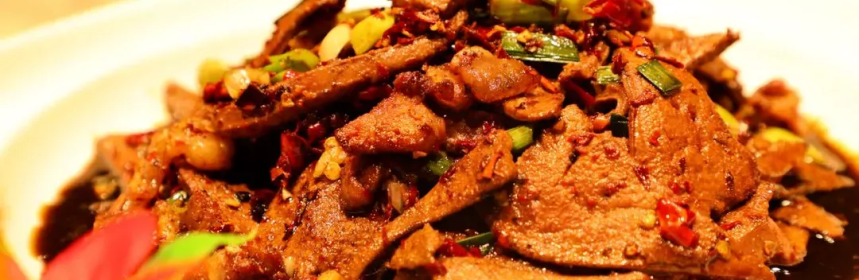
With the development of Xinning county’s tourism, the inheritance of intangible culture and the promotion of folk culture have made stir-fried liver with plant soot, a farm special dish, become more and more well-known.
The origin of food: Stir-fried pig liver with plant soot originated in some rural areas of Xinning county. In the era of material shortage, villagers engaged in physical labor for a long time, were malnourished and prone to eye diseases. They would fry this dish at home. In fact, the scientific name of pot ash( 锅灰) is “plant soot” (百草霜), which is a traditional Chinese medicine that has the effect of clearing away heat and detoxification.
Plant Soot
Li Shizhen’s Compendium of Materia Medica in the Ming Dynasty and Miao Xiyong’s Classics of Materia Medica recorded that ” plant soot is formed by smoke, its taste is pungent and its qi is non-toxic.” Therefore, it has high medicinal value and was used by folks in Song Dynasty to treat dysentery. Although this special stired-liver looks dark and squishy, it tastes really different from ordinary pig liver. It is smooth, fresh and tender, the taste is very unique and special.
How To Make It
Ingredients: 320 grams of pig liver, 10 grams of plant soot, 50 grams of lard, 2 grams of salt, 5 grams of dried chili joints, 5 grams of dried chili powder, 5 grams of ginger, 5 grams of garlic, 5 grams of garlic sprouts.
Notes: 1. Pig liver must be fresh; 2. The source of pot ash must be firewood, straw or corn stalk burned under iron pot in the countryside.
Stir-fried Liver with Plant Soot
Production Steps:
To make this dish, first scrape the pot ash, and after scraping, put it in a bowl and filter it with gauze. Then select the best fat liver, wash it with clean water, and slice it. The thickness is moderate to ensure that the liver can be evenly heated and tasted. Put a spoonful of lard in the pan while frying.
Heat the oil in the pan to high temperature, add garlic and ginger to saute until fragrant, then put the liver in it.
Stir-fry the liver with high heat. When it is almost cooked, add garlic sprouts and peppers. The last key step is to put the plant soot in the pot, so that the fried liverbe scorched outside and tender inside. Don’t put too much plant soot in the pot, otherwise it will taste bitter.
Take the fried liver out from the pan and put it on the plate.
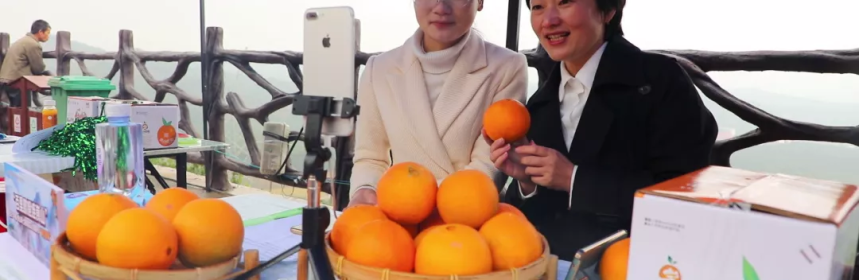
On November 20th, the 7th China Langshan Navel Orange Cultural Tourism Festival “Internet Celebrity Live Streaming” was officially launched. The live event lasted for two days from November 20th to 21st. Zeng Xiaoming, researcher of Shaoyang Bureau of Commerce, Peng Hongbing, deputy secretary of Xinning County Party committee and head of Xinning County People’s government, Xu Lihua, chairman of Xinning County CPPCC, Deng Kaili, deputy head of Xinning County People’s government and other leaders attended the live event.
Liqin, Yao Qi and other influencers with millions of fans and 50 outstanding local liver streamers in Shaoyang city and Xinning county introduced Langshan tourism and Langshan navel orange through live broadcasting, which attracted a total of more than 6 million people to watch online and won 2.2 million of likes.
Xinning County is one of the four bigest navel orange export base counties in China. Its navel orange planting area is 500,000 mu, with an annual output of 700,000 tons and an annual output value of 5 billion yuan. Xinning county has successively won a series of honorary titles such as the first batch of pollution-free fruit production demonstration counties in China, the national standardized production base of green food raw materials, etc.














 Langshan Mountain-World Natural Heritage